
Winter Pond Care: How to Protect Your Pond & Fish in Freezing Weather
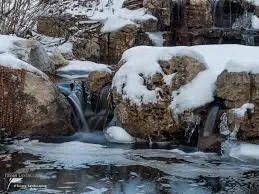
As winter temperatures drop, ponds can quickly become a challenging environment for fish and wildlife. Ice
cover, low oxygen levels and decaying debris can all cause problems if left unmanaged.
The good news is that a few simple steps during cold weather can help keep your pond healthy throughout
winter and ready for spring.
Below are some essential winter pond care tips to protect your pond, fish and water quality during
freezing conditions.
Keep a Hole in the Ice for Gas Exchange
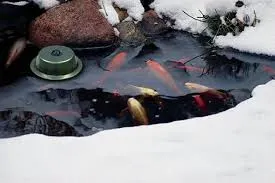
When a pond freezes over completely, oxygen cannot enter the water and harmful gases produced by decaying
organic matter can become trapped beneath the ice. This lack of gas exchange is one of the biggest risks
to fish in winter.
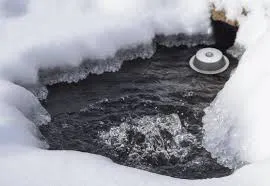
It’s important to keep a small area of water ice-free using a pond de-icer, air pump, aerator or gently
running pump. Never smash the ice — the shockwaves can stress or even kill fish.
Why Aeration Matters in Winter
Aeration plays a vital role during cold weather. Gentle water movement helps oxygenate the pond and
prevents stagnant conditions from developing under the ice.
If safe to do so, a pond air pump or bubbler positioned mid-depth (not on the bottom) is ideal during
winter. This allows oxygen exchange without disturbing the warmer water at the pond’s base where fish
naturally rest.
Remove Leaves and Debris
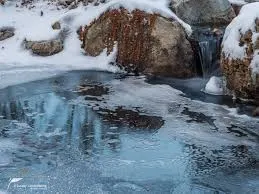
Any leaves, dead plant matter or sludge left in the pond will continue to break down over winter,
releasing harmful gases into the water.
Skim floating debris from the surface and remove sunken leaves where possible. Keeping organic waste to a
minimum now will greatly improve water quality and reduce maintenance work in spring.
Feeding Fish in Cold Weather
As water temperatures fall, fish metabolism slows down dramatically.
Above around 10°C, feed very sparingly using wheatgerm food Below 8–10°C, stop feeding completelyUneaten
food will simply rot in the pond, harming water quality and putting unnecessary stress on fish.
Light and Water Quality
If snow settles on the pond surface, gently clear some away to allow daylight through. Light helps aquatic
plants continue limited photosynthesis, which contributes to oxygen production.
Where possible, keeping an eye on water clarity and general pond condition through winter can help spot
issues early.
Winter Plant Care
Trim back dying foliage from marginal and aquatic plants before winter fully sets in. Removing decaying
plant matter reduces nutrient buildup and helps maintain healthier water conditions during the colder
months.
Hardy aquatic plants can remain in the pond, while more delicate varieties may need moving to deeper water
or frost-free conditions.
Professional Winter Pond Care
As a Certified Aquascape Contractor based in Manchester, we maintain and care for ponds year-round across the north west and regularly see the damage that winter neglect can cause. Taking a few preventative steps now can protect fish, improve water quality and save costly repairs later.
If you’re unsure about pumps, aeration, fish care or winter preparation, professional advice can make all the difference.
Need Help with Winter Pond Care?
If you’d like advice or professional help preparing your pond for winter, feel free to get in touch. We’re always happy to help keep ponds healthy, safe and looking their best — even in the coldest months.
📷 Instagram: @olympianwatergardens
📘 Facebook: Olympian Water Gardens
▶️ YouTube: Olympian Water Gardens Channel
🎵 TikTok: @olympianwatergardens
📌 Pinterest: Olympian Water Gardens
📖 Aquascape Lifestyle Ideas Magazine (Spring/Summer)
📞 WhatsApp: 07815 075416