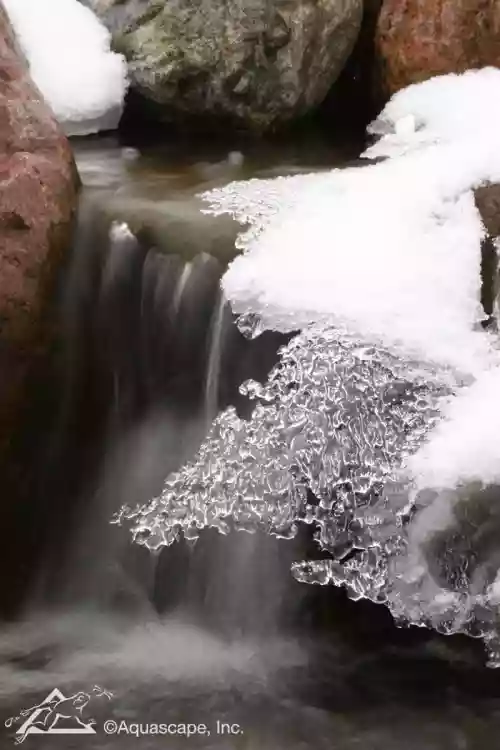
How to Look After Your Pond During a Heatwave
Summer Pond Care Advice for Pond
Owners in Manchester and Cheshire
If you would like professional support with seasonal upkeep, our pond maintenance team in Manchester can help keep your system balanced year-round, and our waterfall and circulation builds can improve oxygenation in hot weather.
Periods of prolonged hot weather can have a noticeable effect on garden ponds. During recent heatwaves, we have had a number of pond owners get in touch after noticing falling water levels and changes in the behaviour of their fish.
In most cases, a healthy pond will cope well with warm weather. However, higher temperatures can increase evaporation, reduce oxygen levels, and place additional pressure on fish, pumps, and filtration systems.
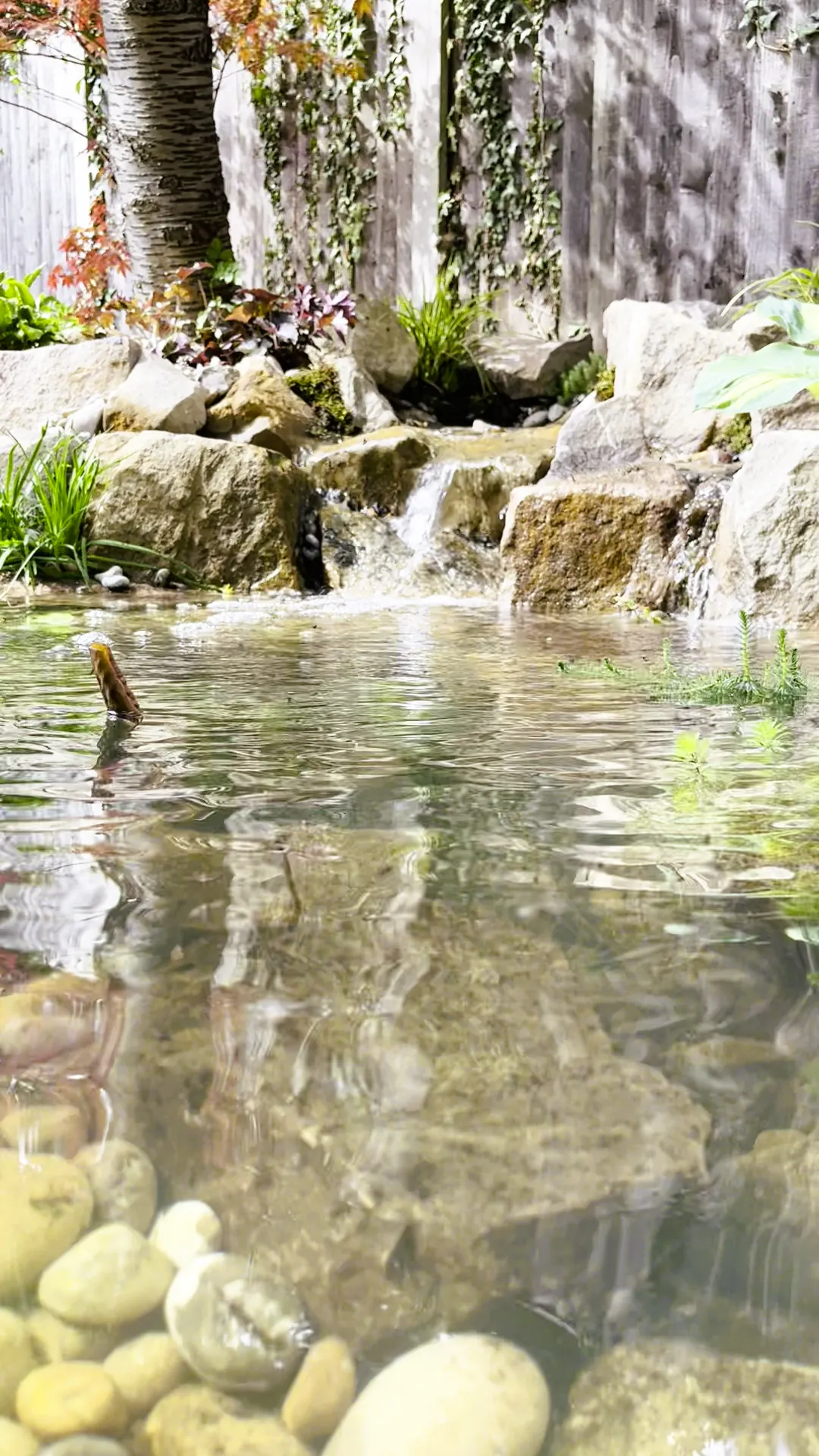
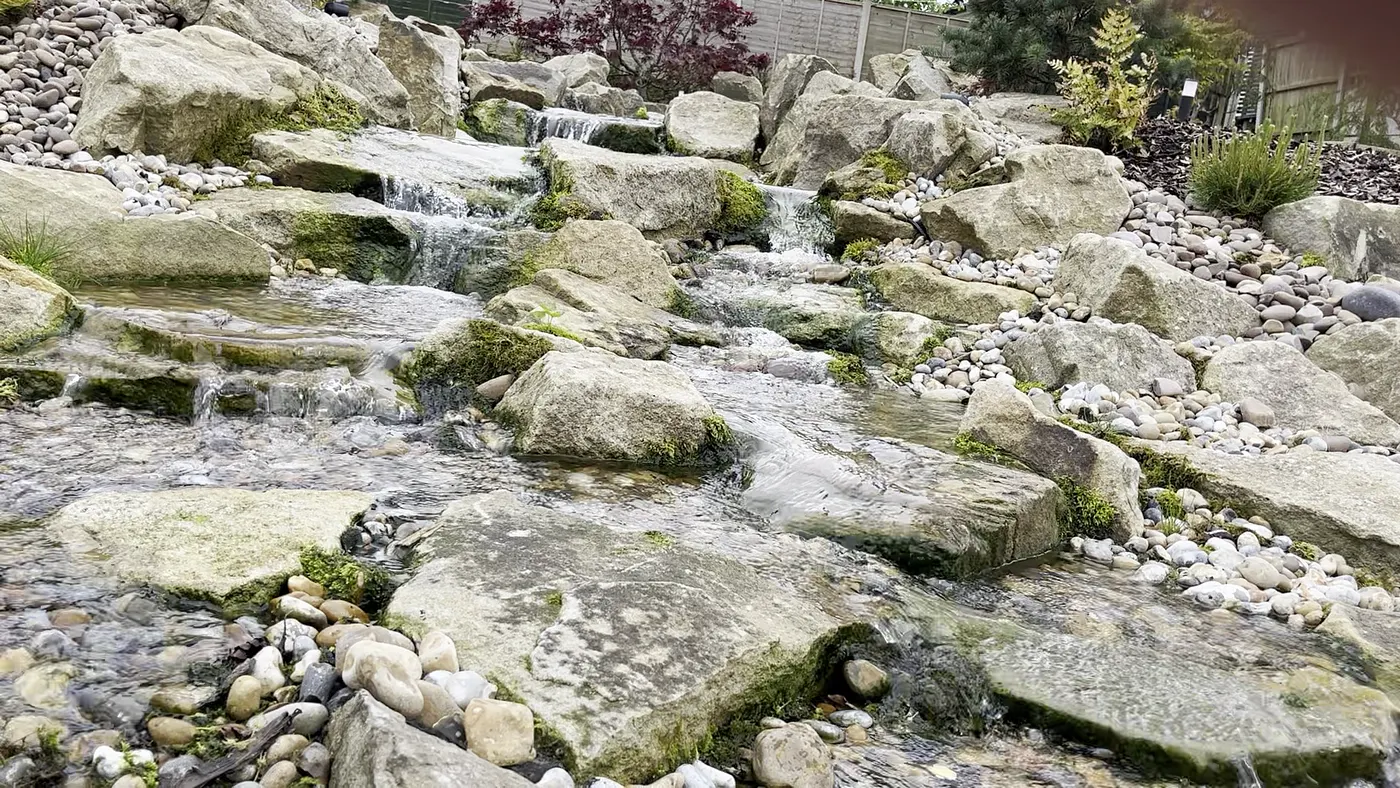
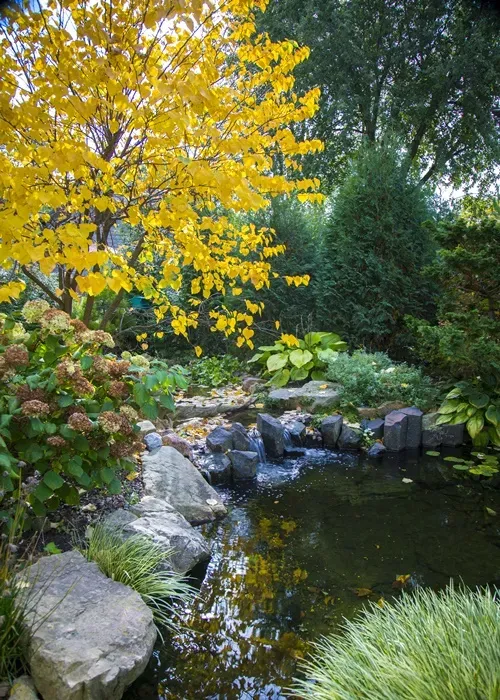
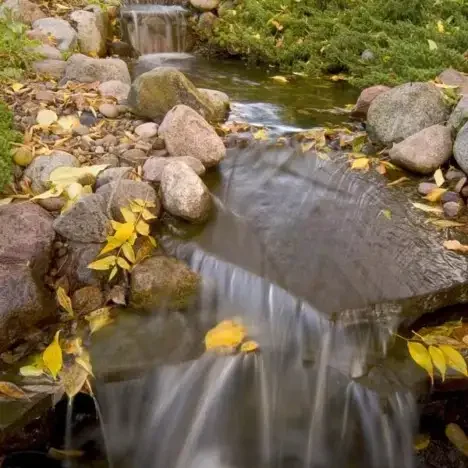
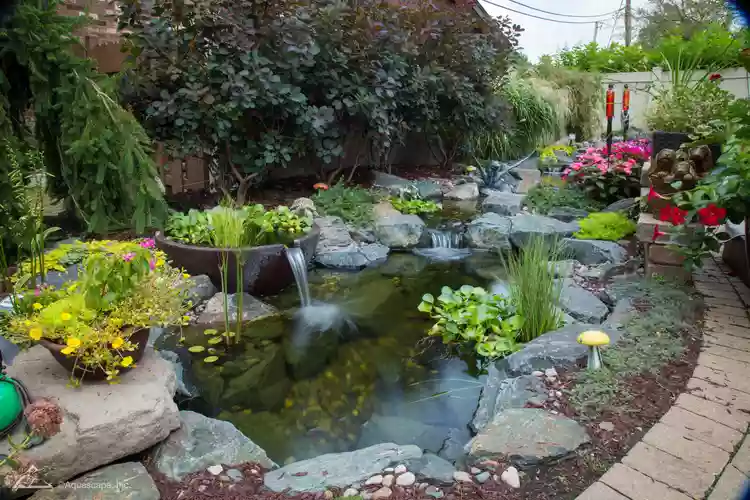
One of the most common concerns during a heatwave is a visible drop in water level. All ponds lose water through evaporation, and this becomes much more noticeable during hot, dry weather. Ponds with streams and waterfalls may lose water faster because moving water exposes more surface area to the air.
If your pond level has dropped, top it up gradually and keep an eye on the level over the next few days. If the water continues to fall quickly during cooler weather as well, that may point to a leak rather than simple evaporation.
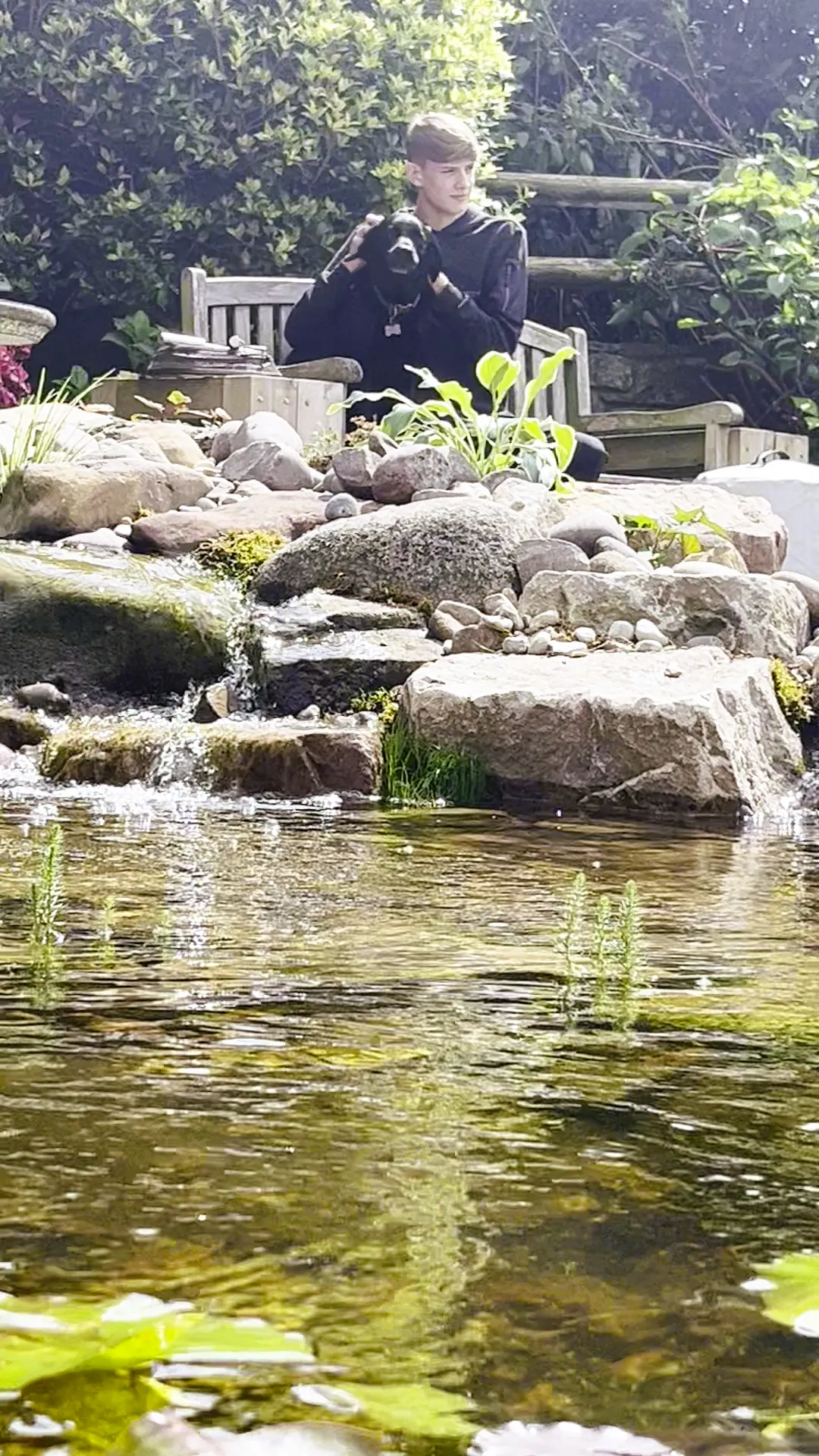
Keep Waterfalls and Streams Running
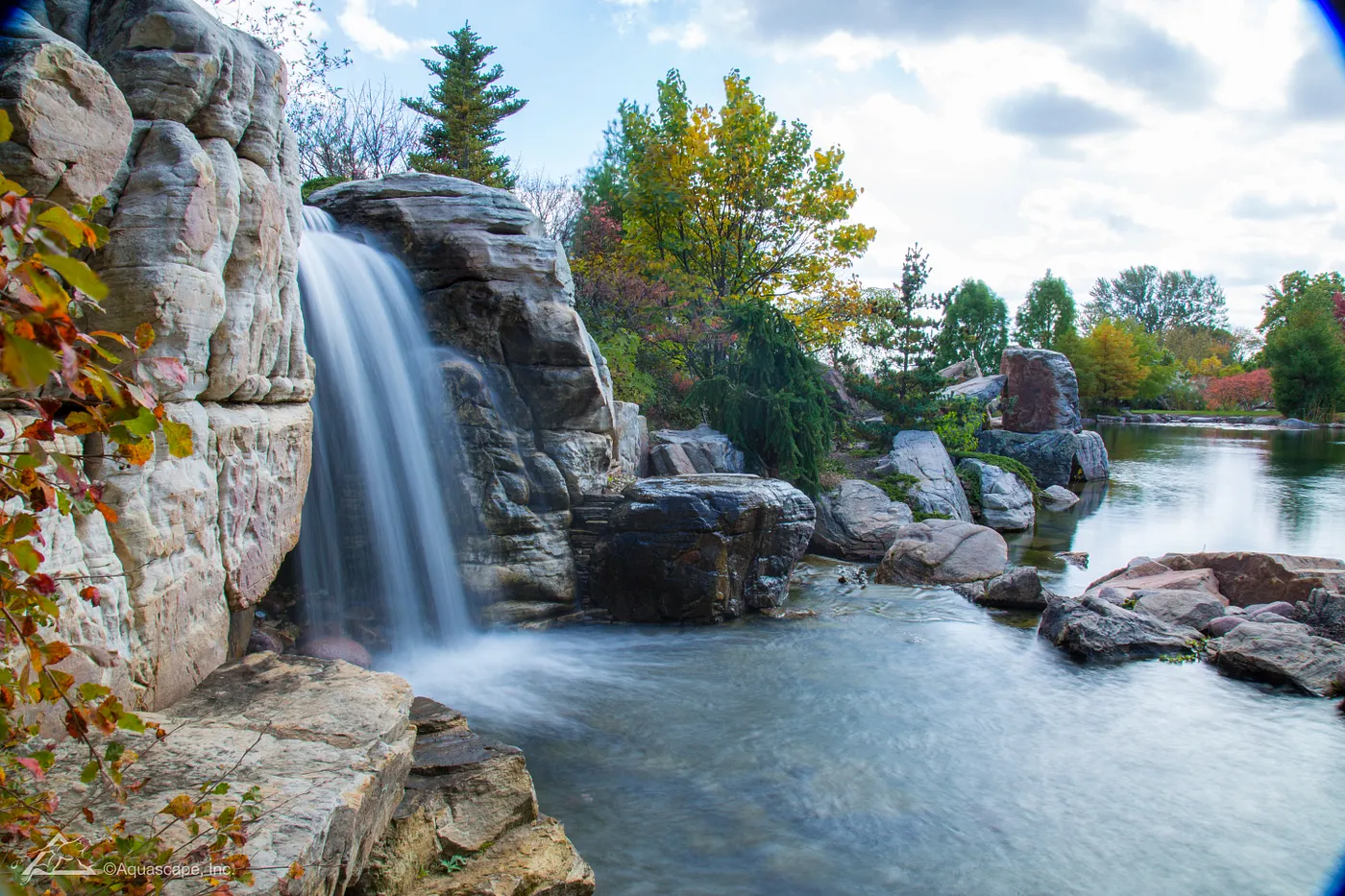
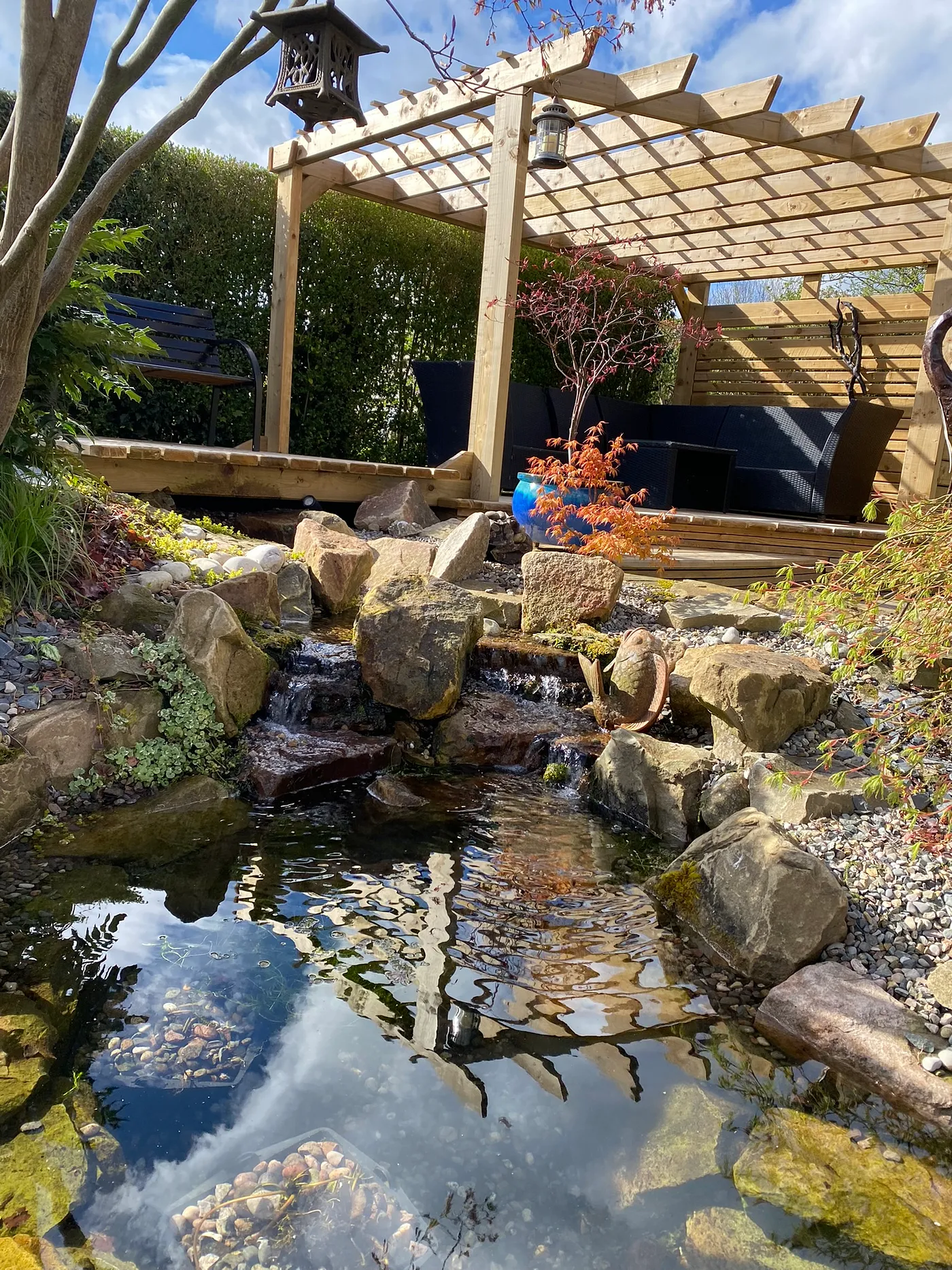
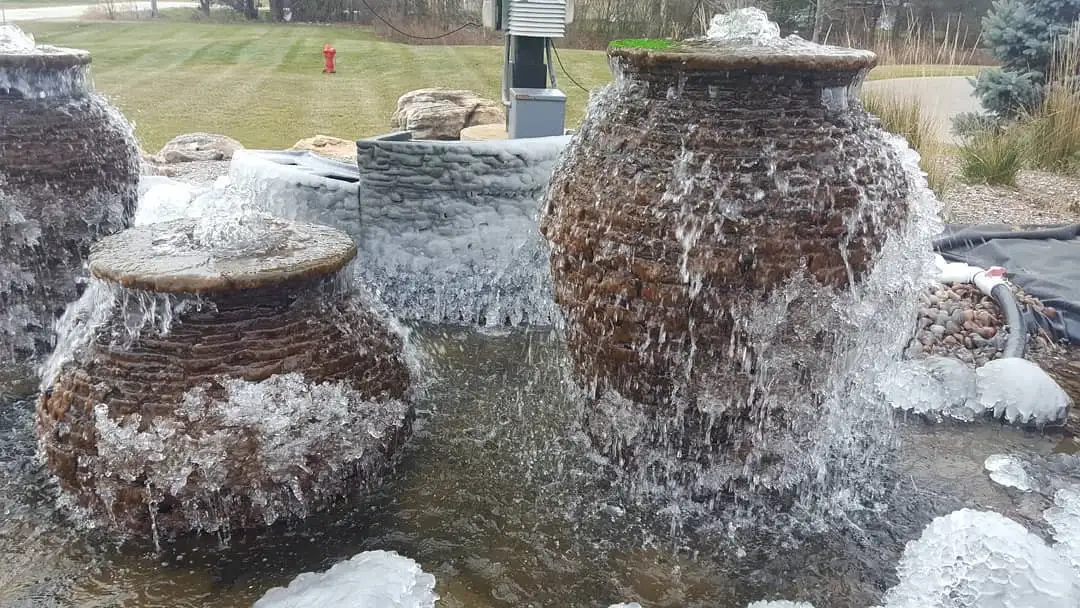
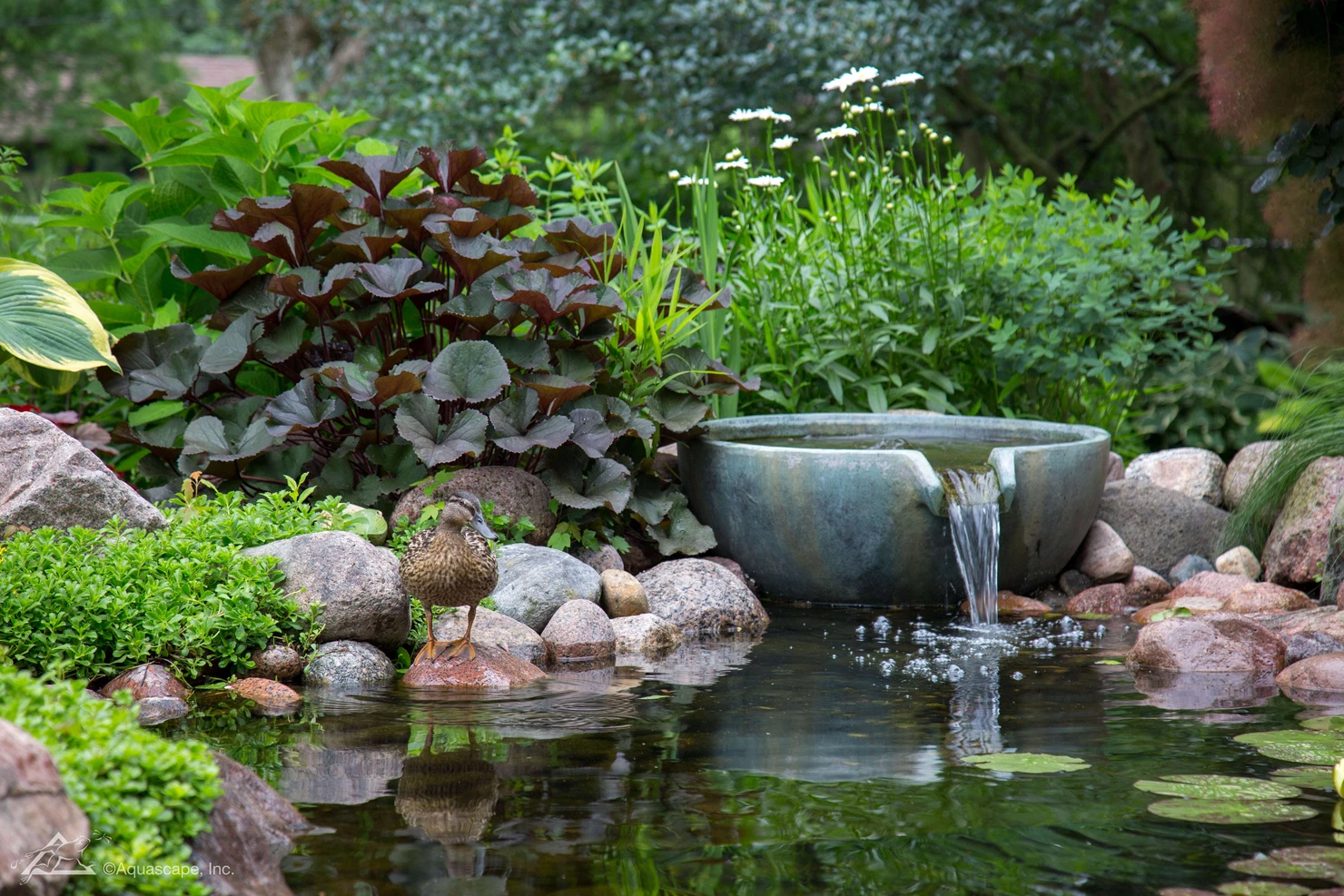
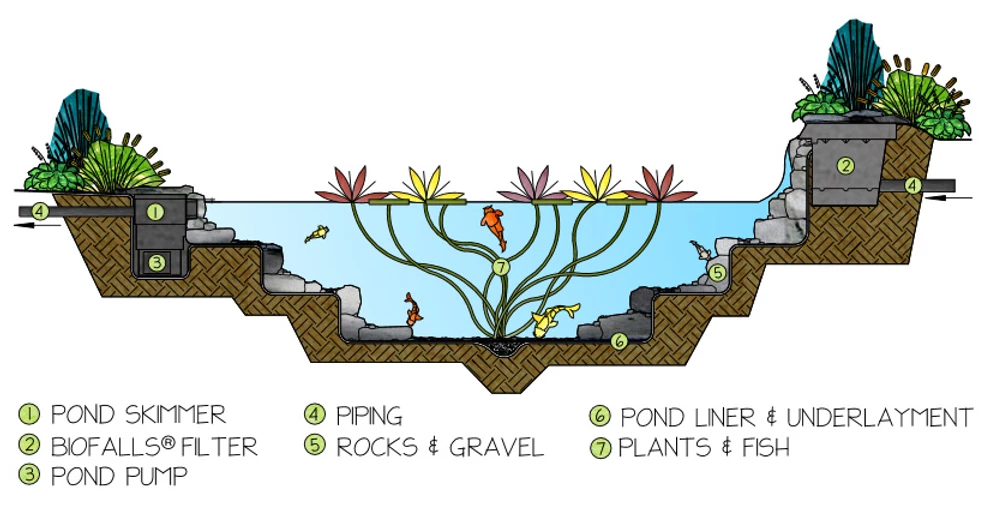
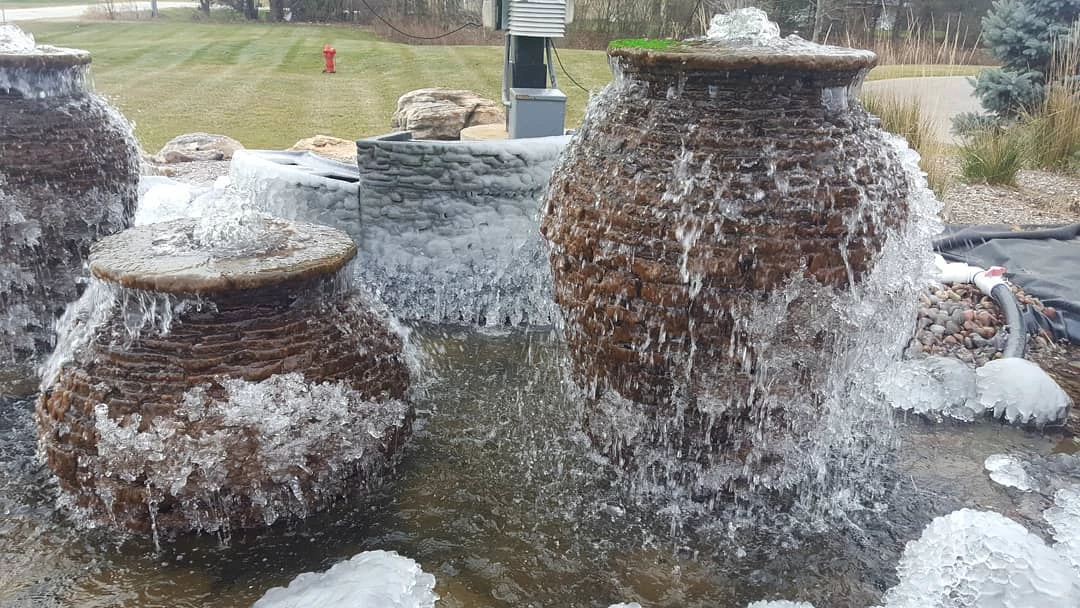
Warm water holds less dissolved oxygen than cooler water, so oxygen levels can become more of a concern during prolonged hot weather. Waterfalls, streams, fountains, and other moving features help circulate and aerate the pond, which supports both fish and beneficial bacteria.
During a heatwave, it is usually best to keep your pond pump, waterfall, and filtration system running continuously. Switching the system off overnight can reduce circulation at a time when oxygen levels may already be under pressure.
If your pond contains a larger stock of fish, adding an air pump or extra aeration can provide useful support until temperatures drop.
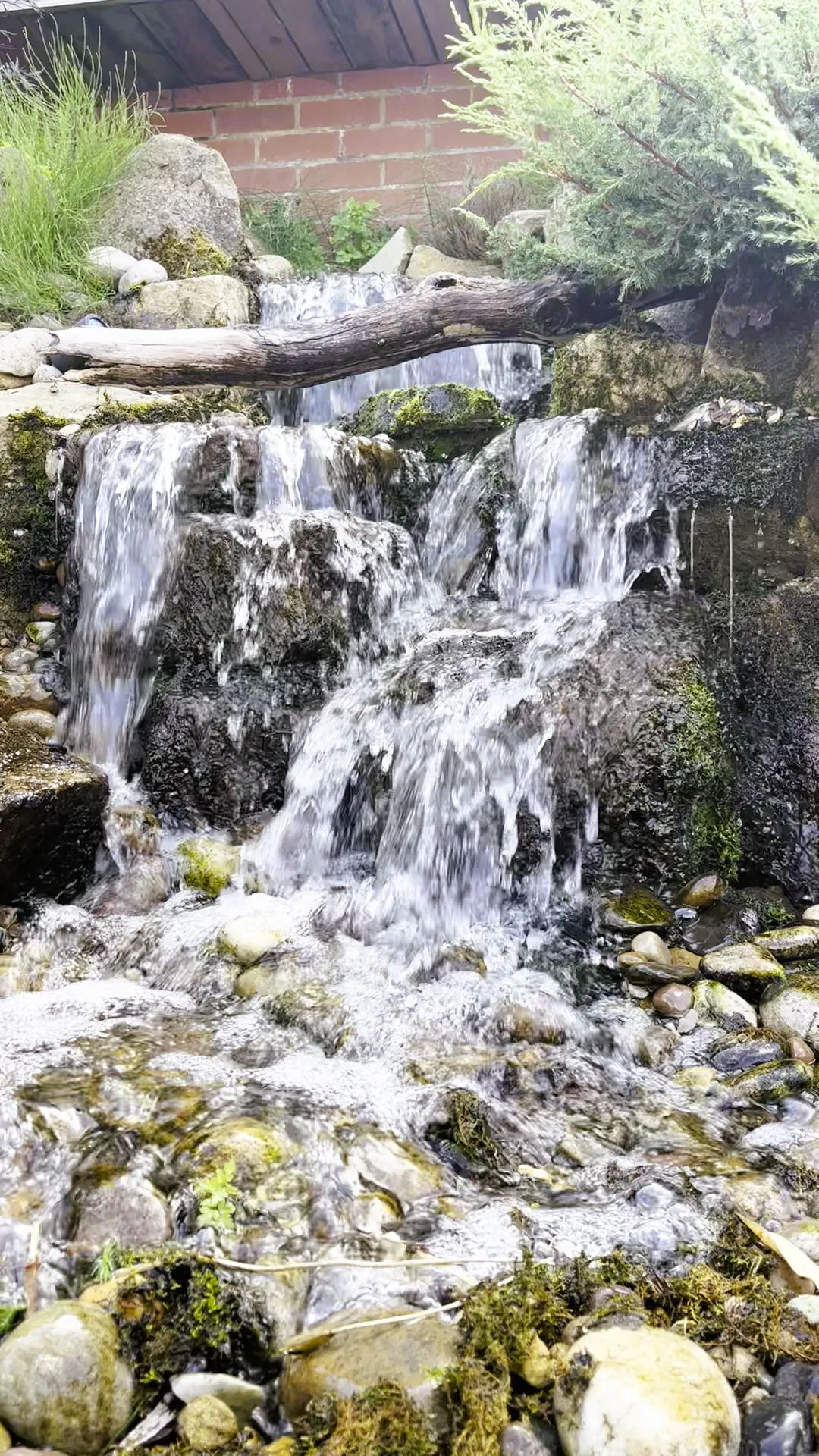
Watch Your Fish for Signs of Low Oxygen
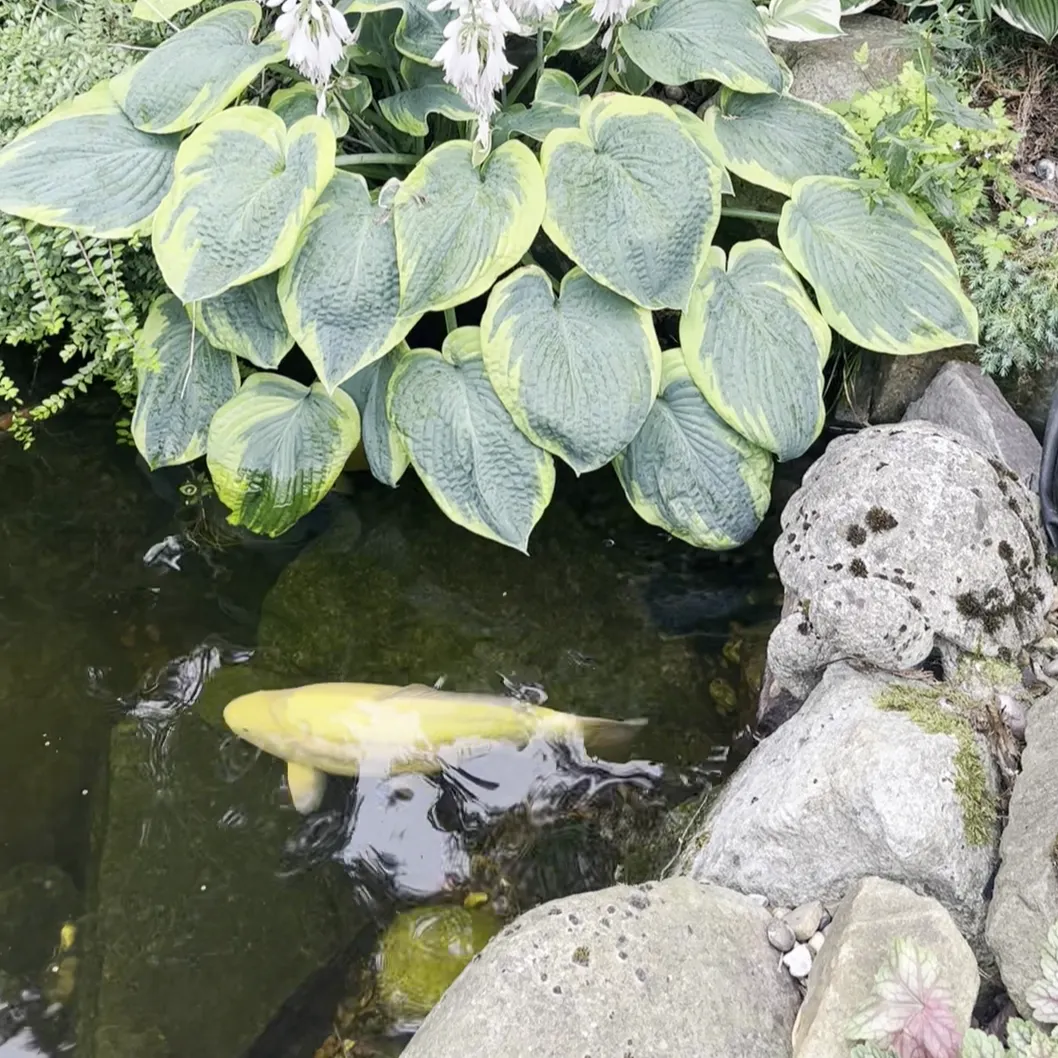
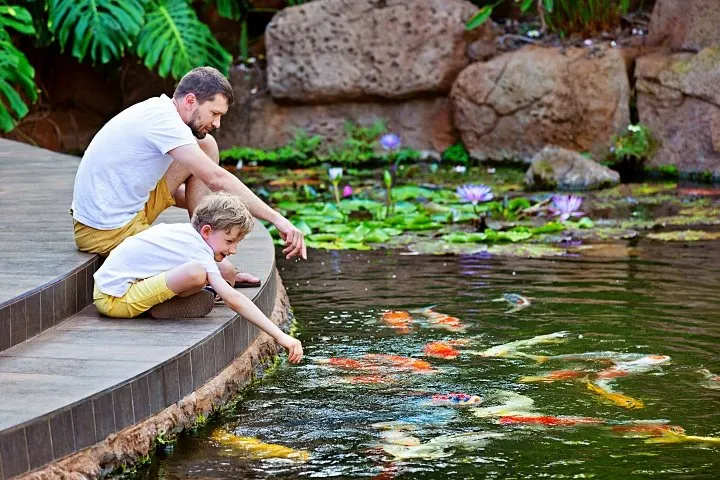
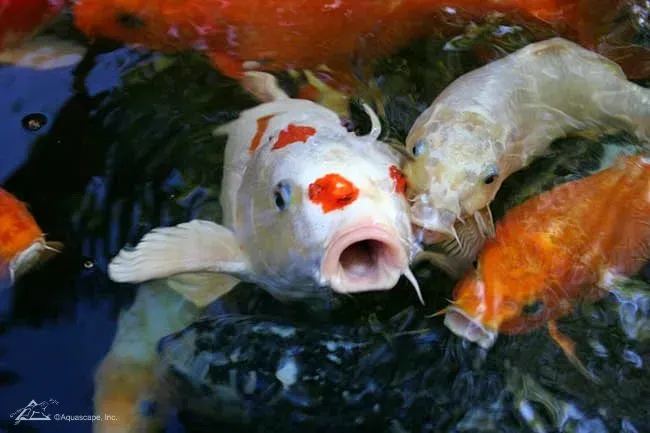
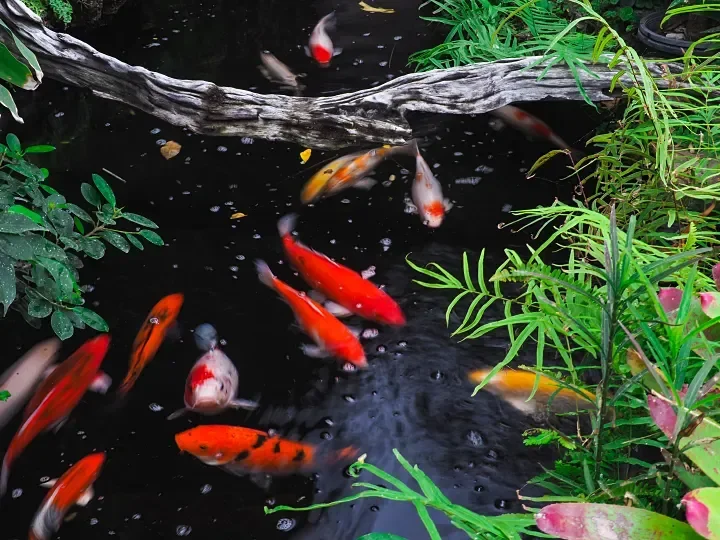
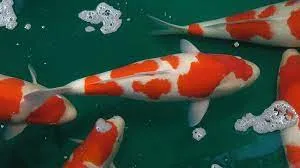
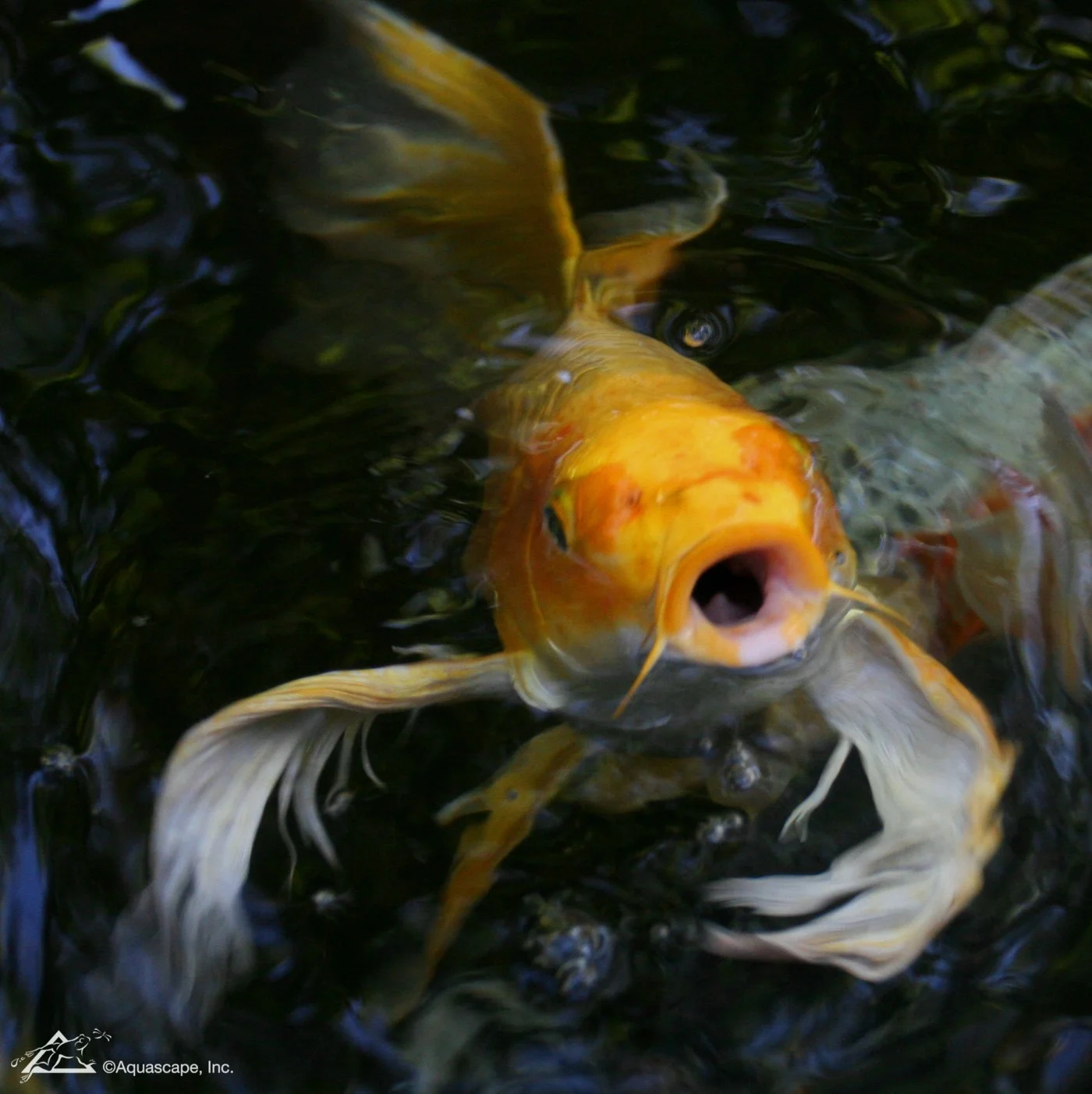
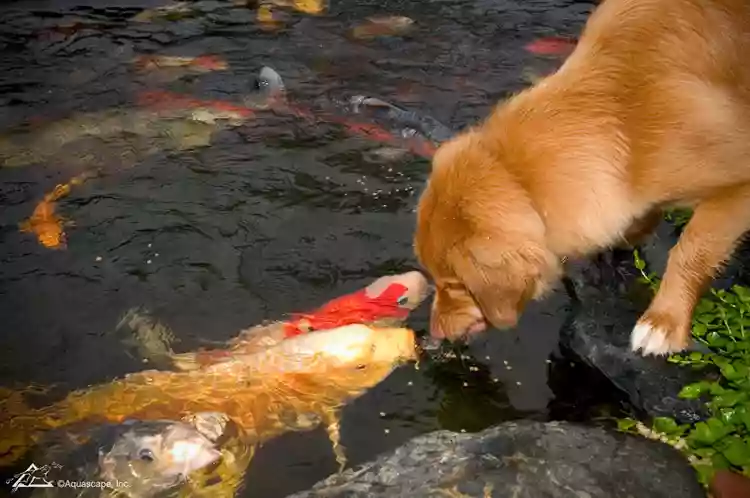
Your fish can often give you an early indication that something is not quite right. Fish gathering around waterfalls, air stones, or areas of moving water may be seeking higher oxygen levels. Gasping at the surface can also be a warning sign that the pond needs additional aeration.
During very hot weather, it is worth taking a few minutes each day to observe your fish and compare their behaviour with what you would normally expect. Sluggish movement, hanging near the surface, or crowding around inlets can all suggest the pond is under stress.
Early action is usually simple and effective, especially if you improve circulation before conditions worsen.
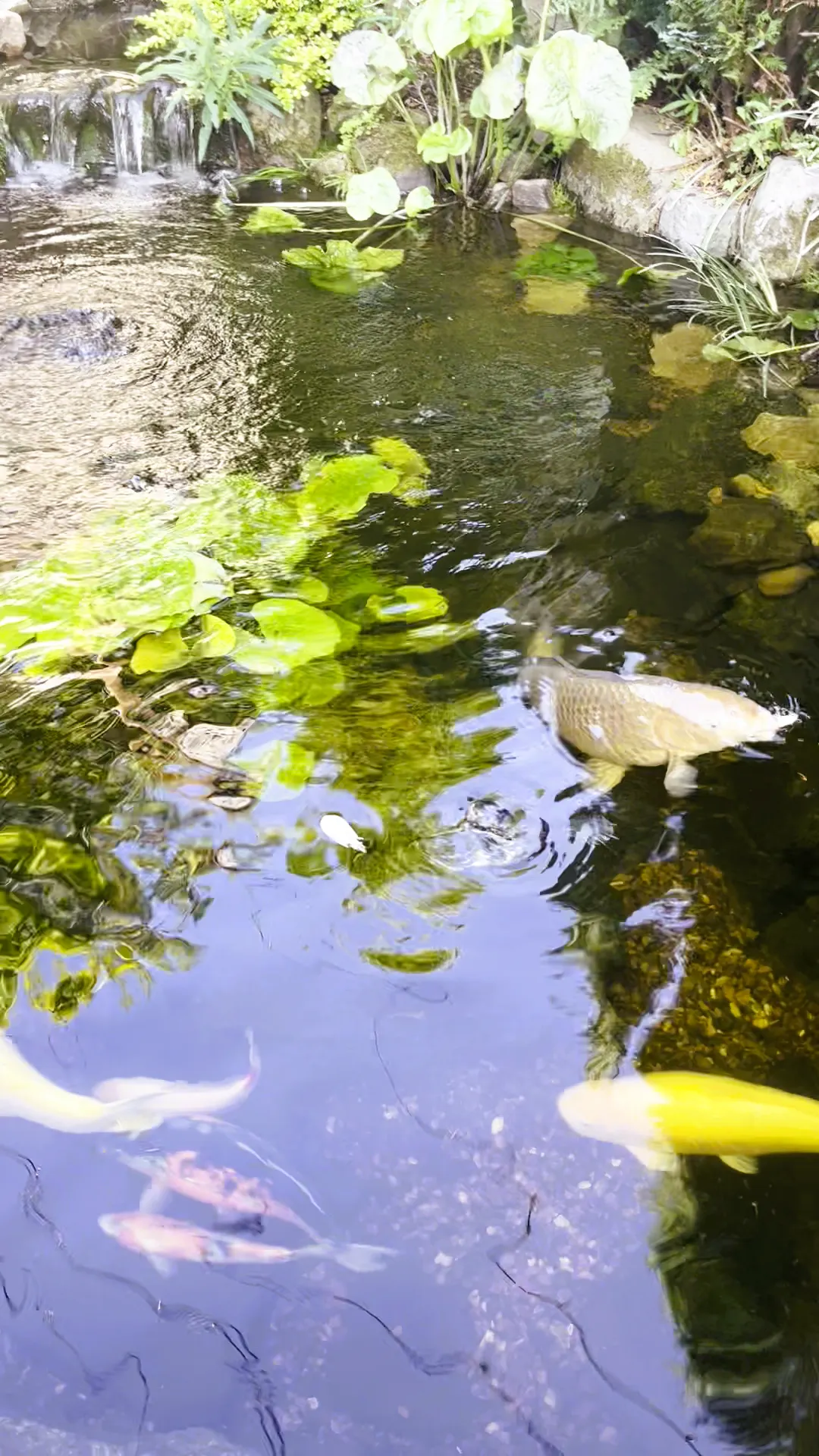
Use Plants and Shade to Reduce Stress
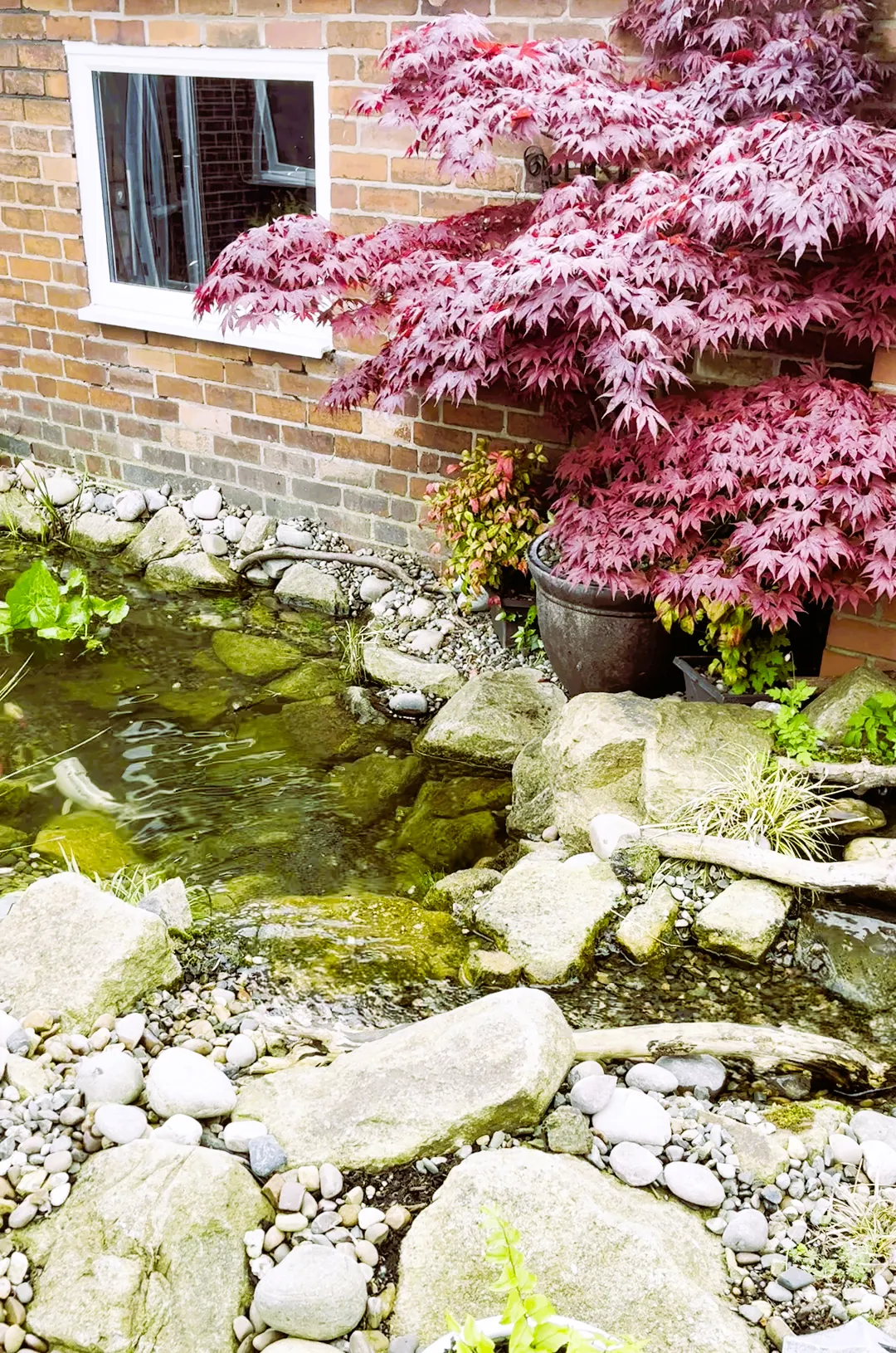
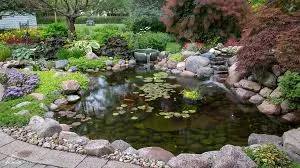
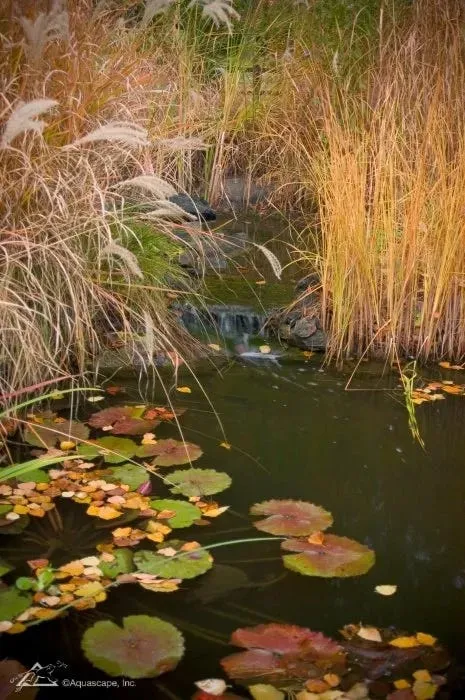
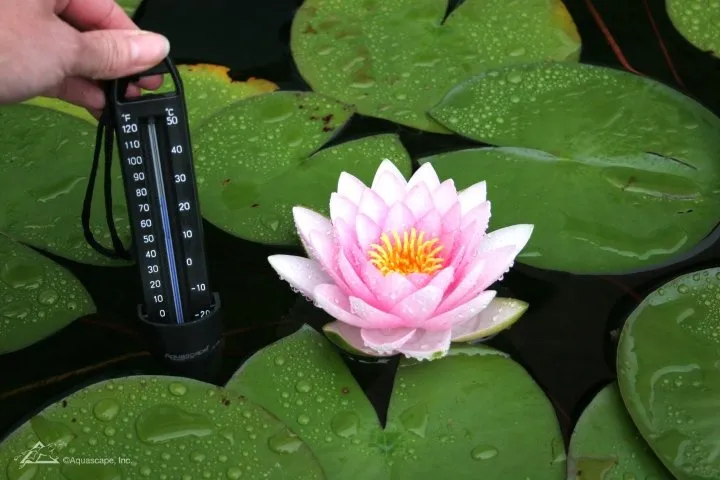
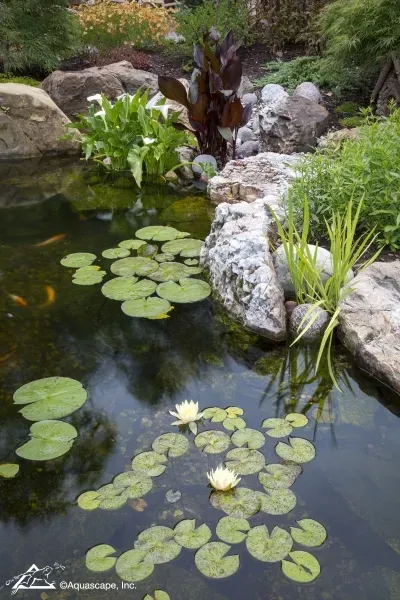
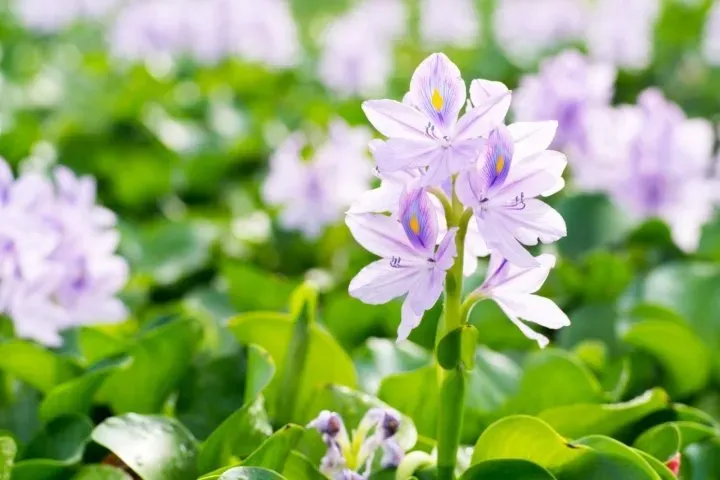
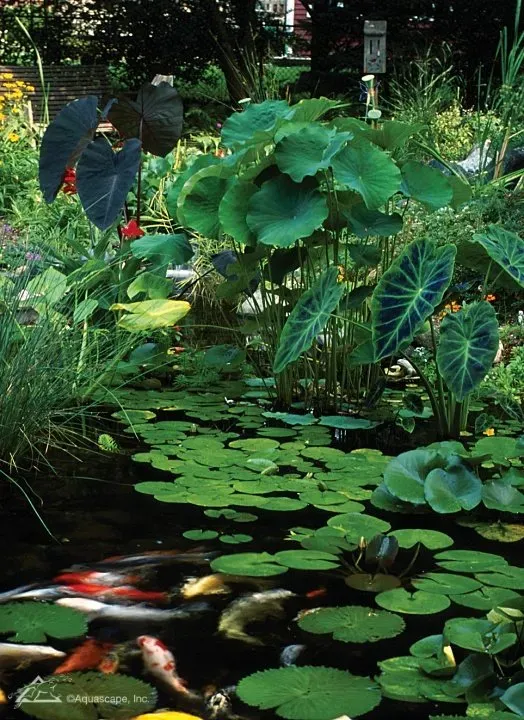
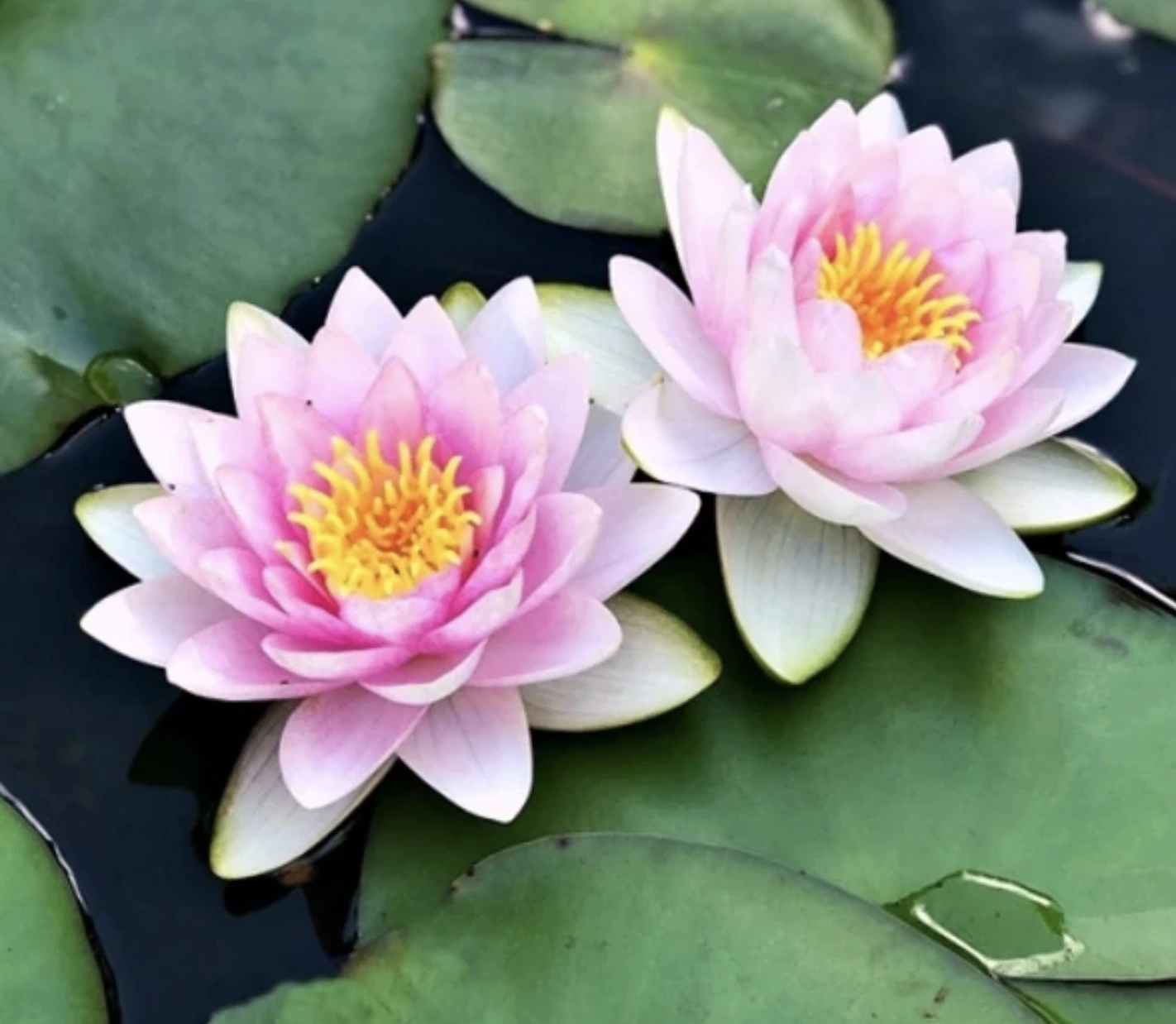
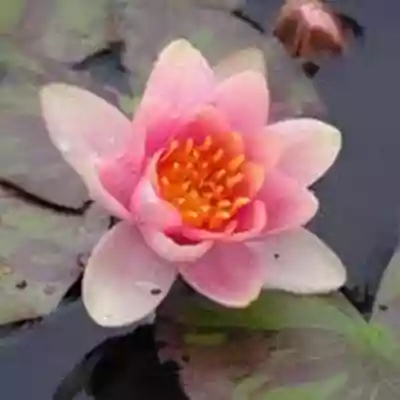
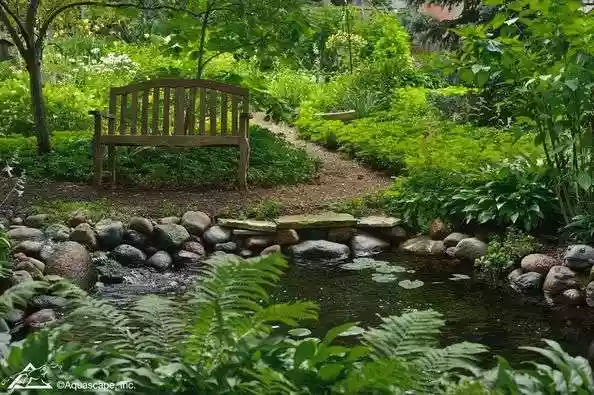
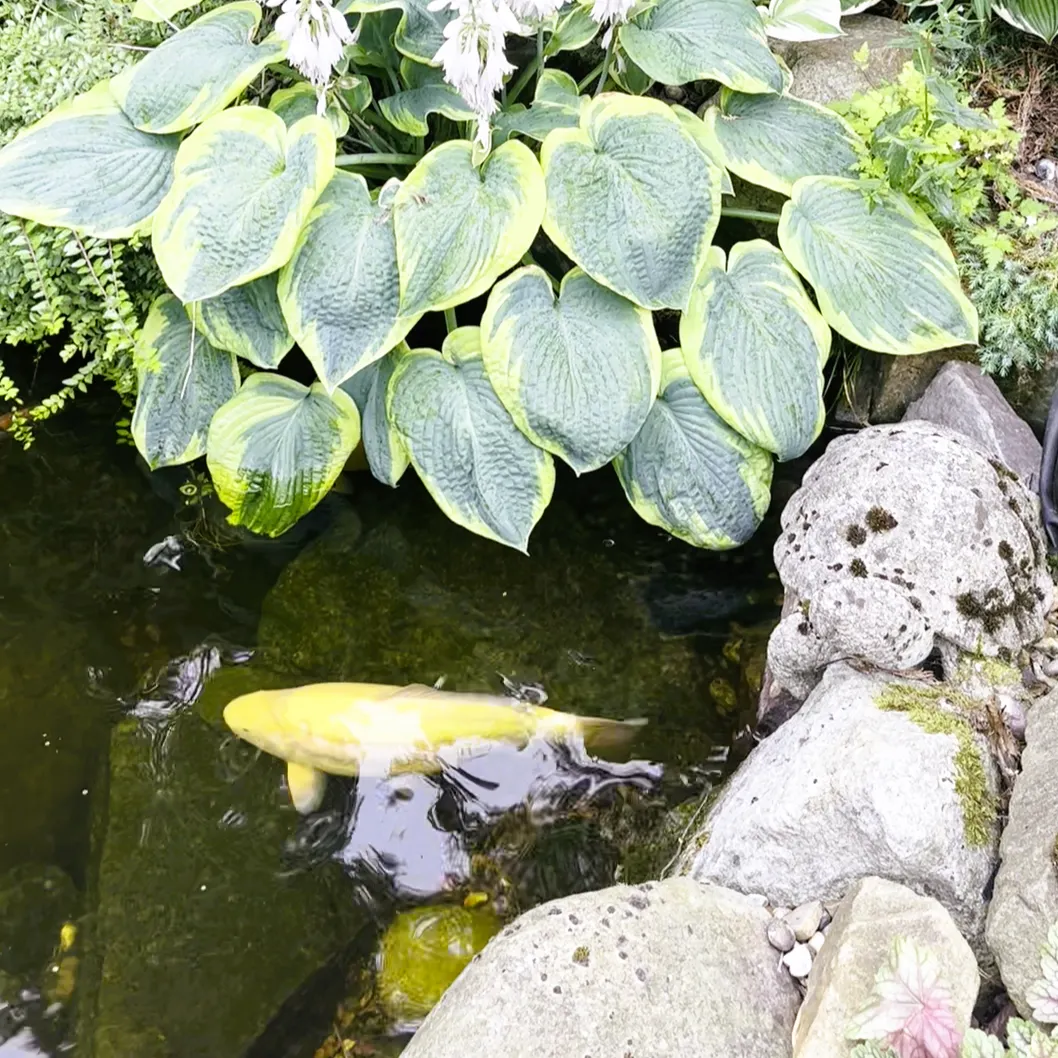
Shade can make a real difference during a heatwave. Marginal planting, water lilies, and nearby foliage help reduce direct sun exposure and can keep parts of the pond cooler through the hottest part of the day.
Floating plant cover also helps limit algae growth by reducing the amount of sunlight reaching the water. If your pond has very little natural shade, temporary shading can help prevent the water from warming too quickly.
The goal is not to block all light, but to create a more stable environment so fish have cooler, calmer areas to retreat to.
Top Up Carefully and Keep an Eye on Water Quality
When topping up a pond in hot weather, do it gradually rather than all at once. Sudden changes in temperature or water chemistry can stress fish, especially in smaller ponds.
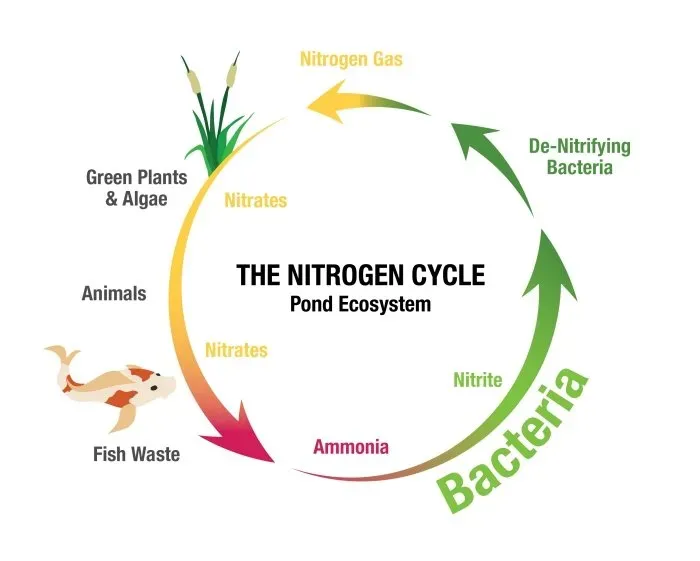
It is also sensible to keep feeding under control during very hot spells. Fish may still be active, but uneaten food and extra waste will only add pressure to the water quality at a time when oxygen is already reduced. Smaller feeds and closer observation are often the safest approach.
If your pond water is turning cloudy, your fish are behaving unusually, or you suspect the pond may be losing more water than it should, it is worth getting the system checked before a small summer issue becomes a larger repair job.