What You Need To Know About Pond Filtration
If you would like professional support with seasonal upkeep, our pond maintenance team in Manchester can help keep your system balanced year-round, and our ecosystem pond service can improve filtration performance.
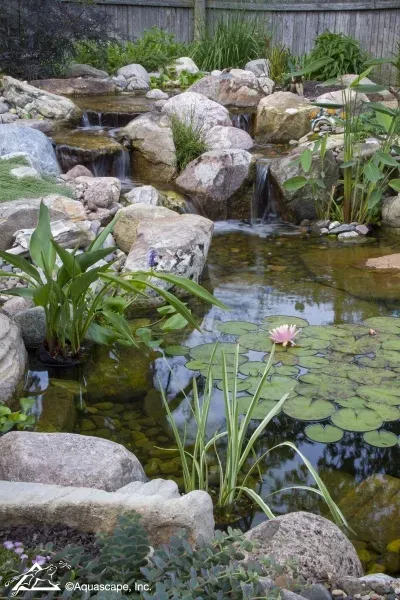
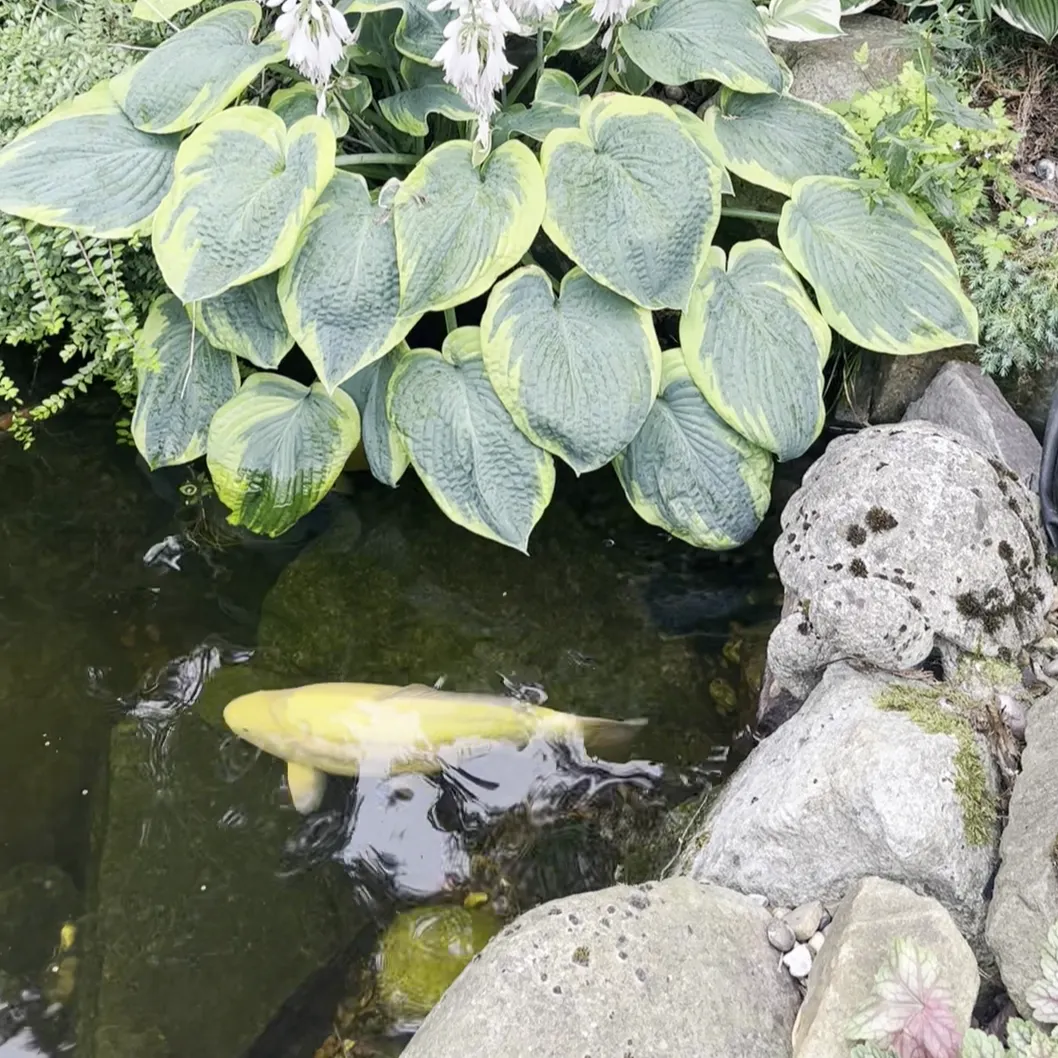
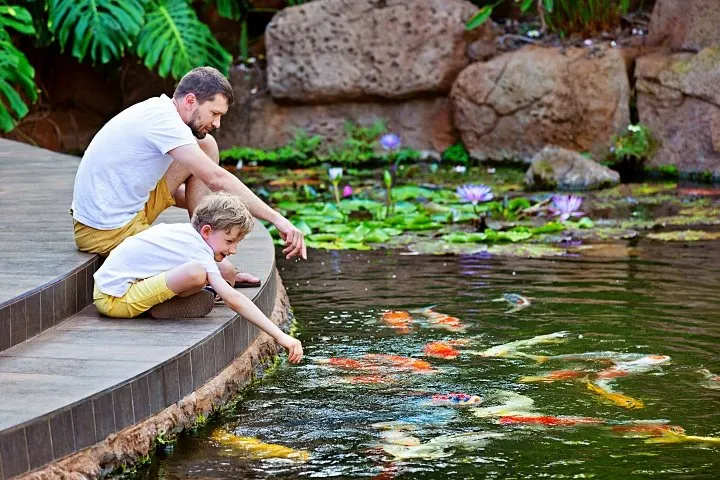
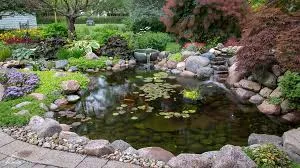
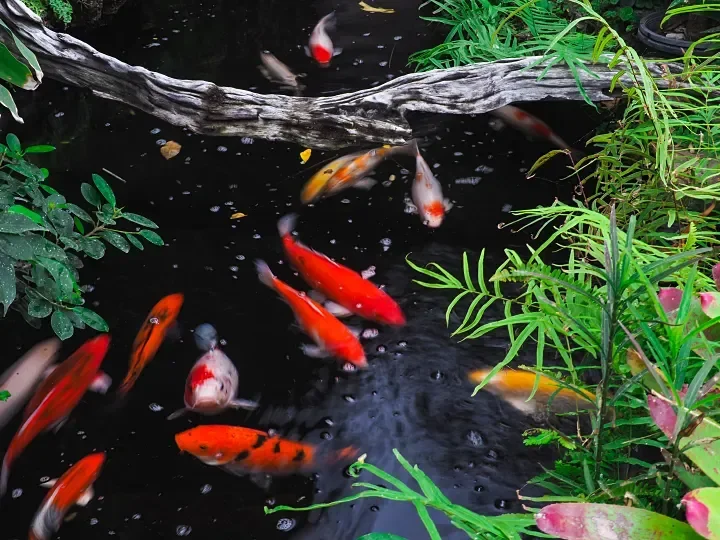
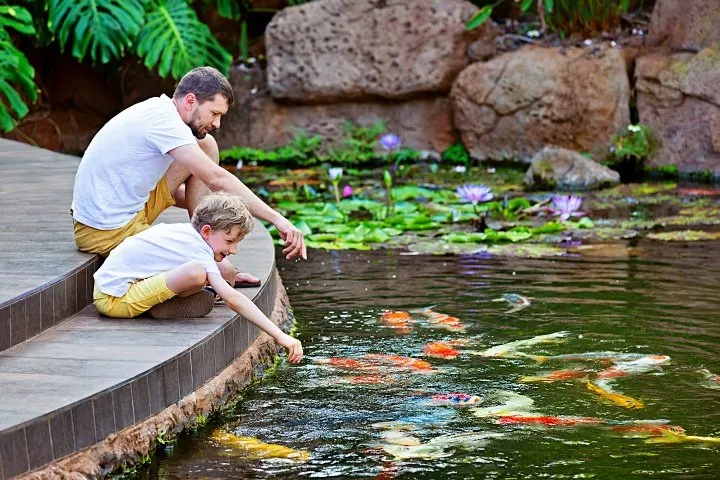
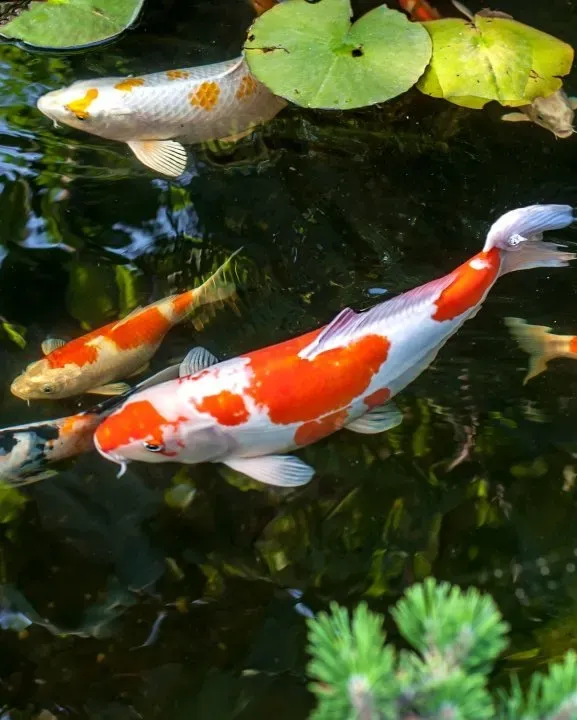
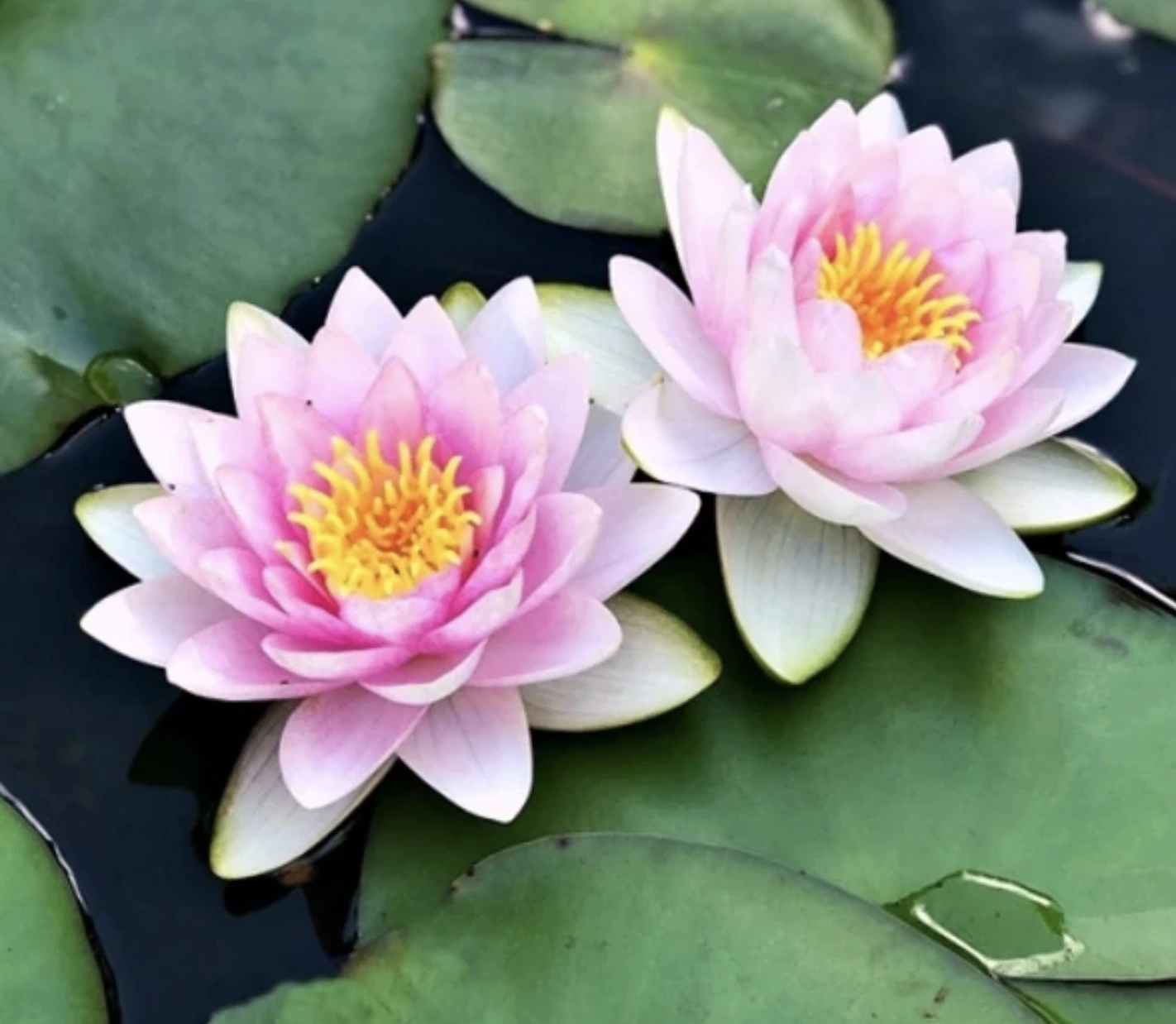
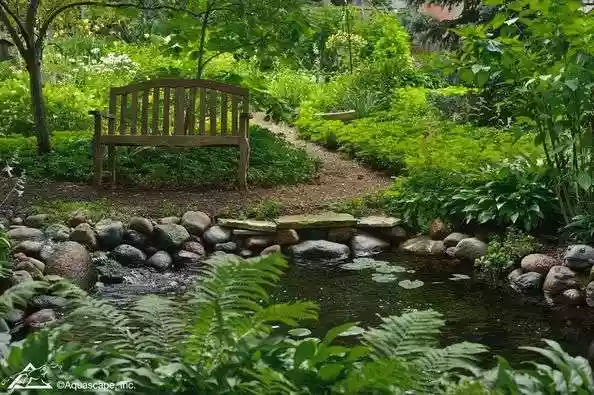
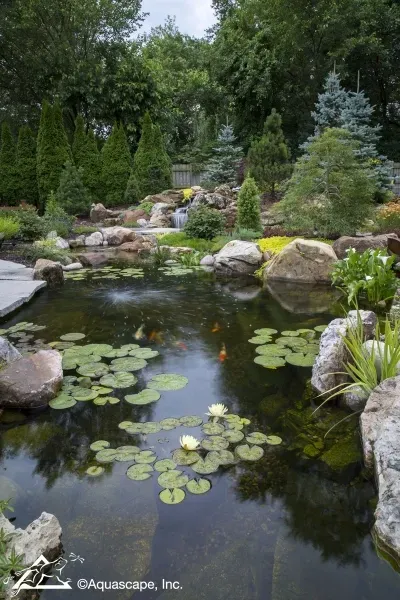
Fish dart beneath lily pads while the melodious sound of a waterfall tickles your ears. The fragrance of clean water and nearby flowers intoxicates your senses. Enjoying a naturally-balanced pond in your own outdoor setting is an attainable luxury every homeowner can experience. Most pond owners are aware of the importance that good water quality plays in a pond habitat. But not knowing how to get or keep water quality can prove challenging to some pond owners. A bit of basic knowledge will help you keep your pond looking beautiful and performing optimally throughout the season.
In addition to plants, fish, aeration, and rocks and gravel, a low-maintenance ecosystem pond requires adequate filtration to keep the water clean and clear. Three types of pond filters are available on the market and include biological, mechanical, and clarifiers. Biological filters use bacteria to break down pond wastes, converting them into less harmful compounds that can be used as aquatic plant fertilizers. Mechanical filters trap and remove debris and sediment. Water clarifiers pass water through a tube that houses an ultraviolet bulb, killing living microscopic particles in the water.
A good biological filtration system, teamed with a proper mechanical filter to remove solids before the water enters the biological filtration unit, is the most effective way to filter water. With adequate biological and mechanical filtration, the need for clarifiers is eliminated altogether, thereby ensuring a natural ecosystem pond.
The Job of a Pond Skimmer
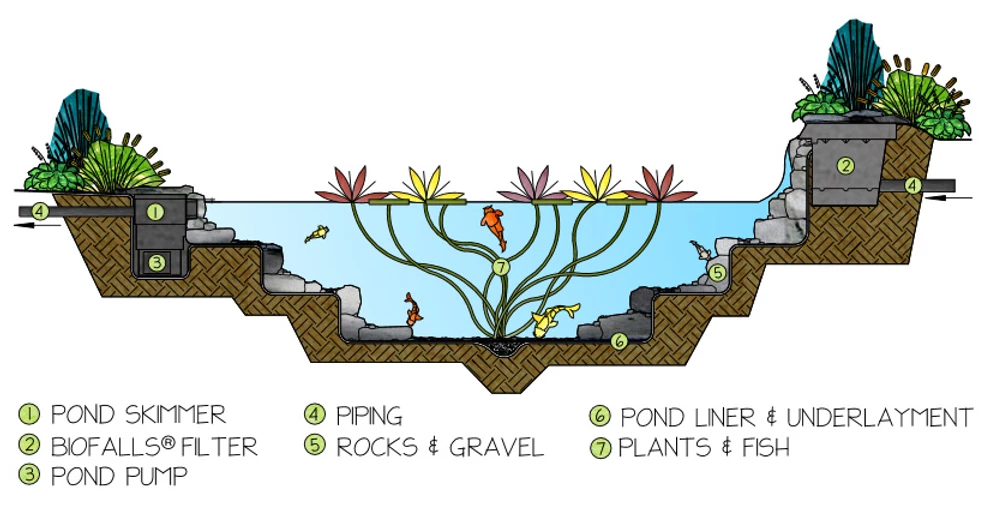
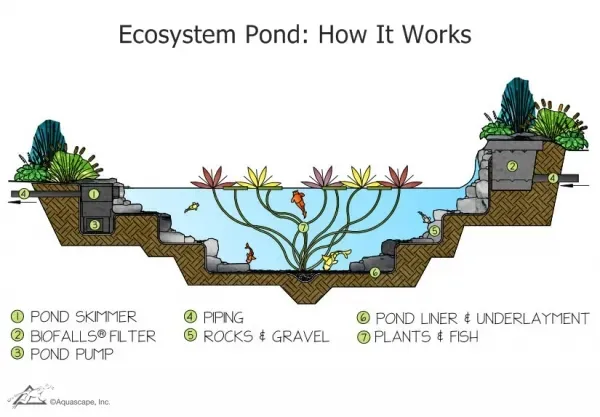
The main function of mechanical filtration, or pond skimmer, is to remove debris before it sinks to the bottom of the pond and decays. The skimmer also houses and hides the pump and plumbing from view, as opposed to being placed directly in the pond where they become an eyesore.
There are two main types of skimmers: box skimmers and floating skimmers. Both types filter the water by removing floating debris and waste before it’s had a chance to fall to the bottom of the pond. The box skimmer is the predominant type of skimmer on the market today because it’s easy to maintain.
Box-style skimmers come with either vertical or horizontal filter mats. Horizontal mats prove to be the most effective, while providing the least amount of maintenance. In addition to frequent cleaning, vertical mats need to be constantly monitored to make sure there is enough water in the pump chamber for the pump to operate properly. An advantage of horizontal filter mats is that they lay flat so there is no sagging and they don’t lose their shape. They also never clog to the point of preventing water from passing through, so the pump chamber won’t run dry.
As water enters the skimmer, the large debris is caught in the skimmer basket and the water is then further filtered through the horizontal mat. The pond water then travels through the plumbing buried underground, up to the biological filter where it’s further treated before re-entering the pond.
Biological Pond Filtration Goes to Work
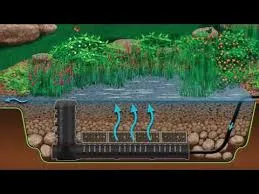
The biological filter receives water that has already passed through the mechanical filter, or skimmer, typically placed on the opposite side of the pond. The water enters the biological filter via flexible pipe located near the base of the unit. The water then flows from the bottom to the top of the filter, traveling through filter media housed inside the unit. The filter media helps with the removal of fine to medium-sized particles. The larger debris was already removed by the skimmer.
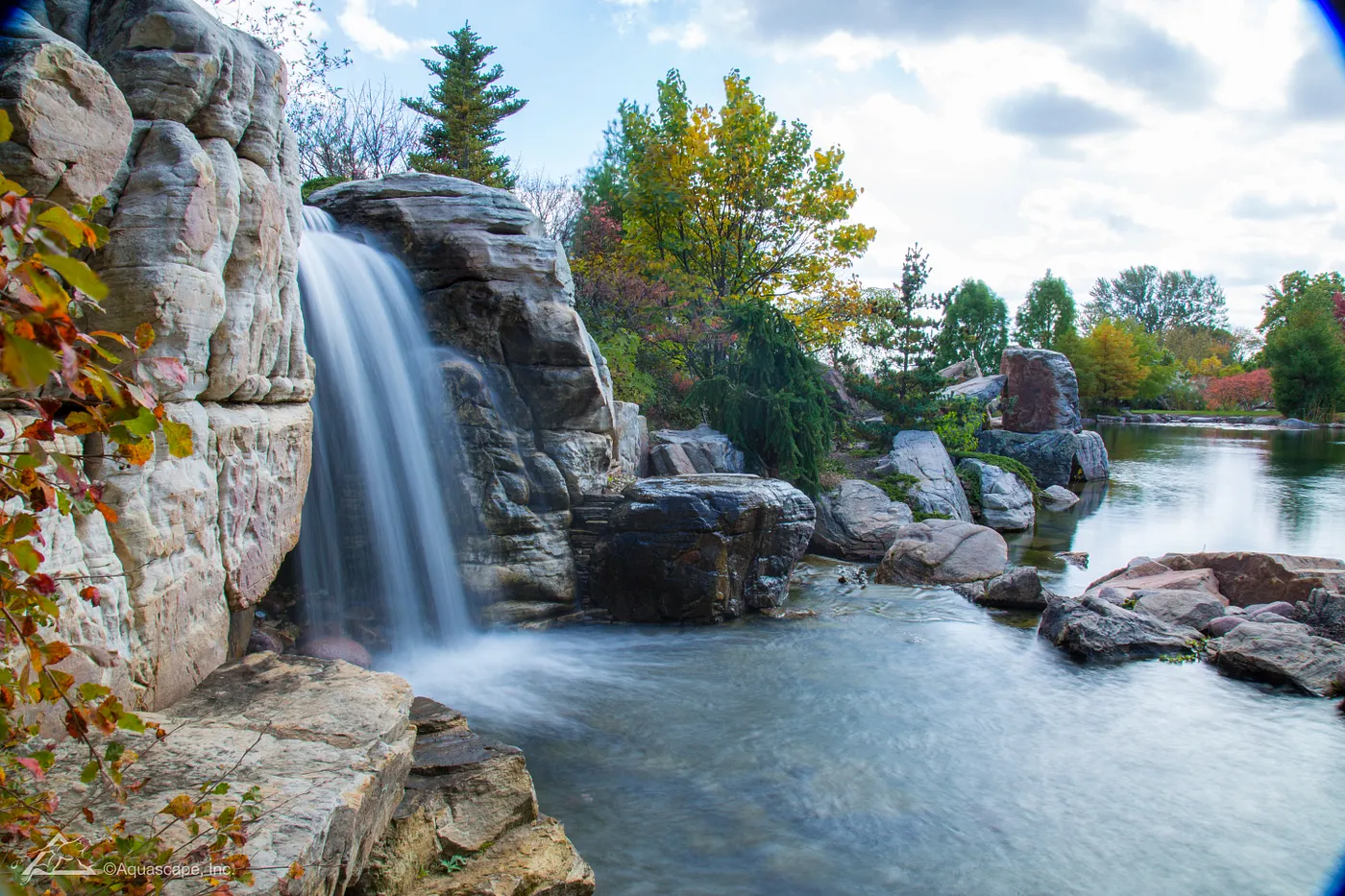
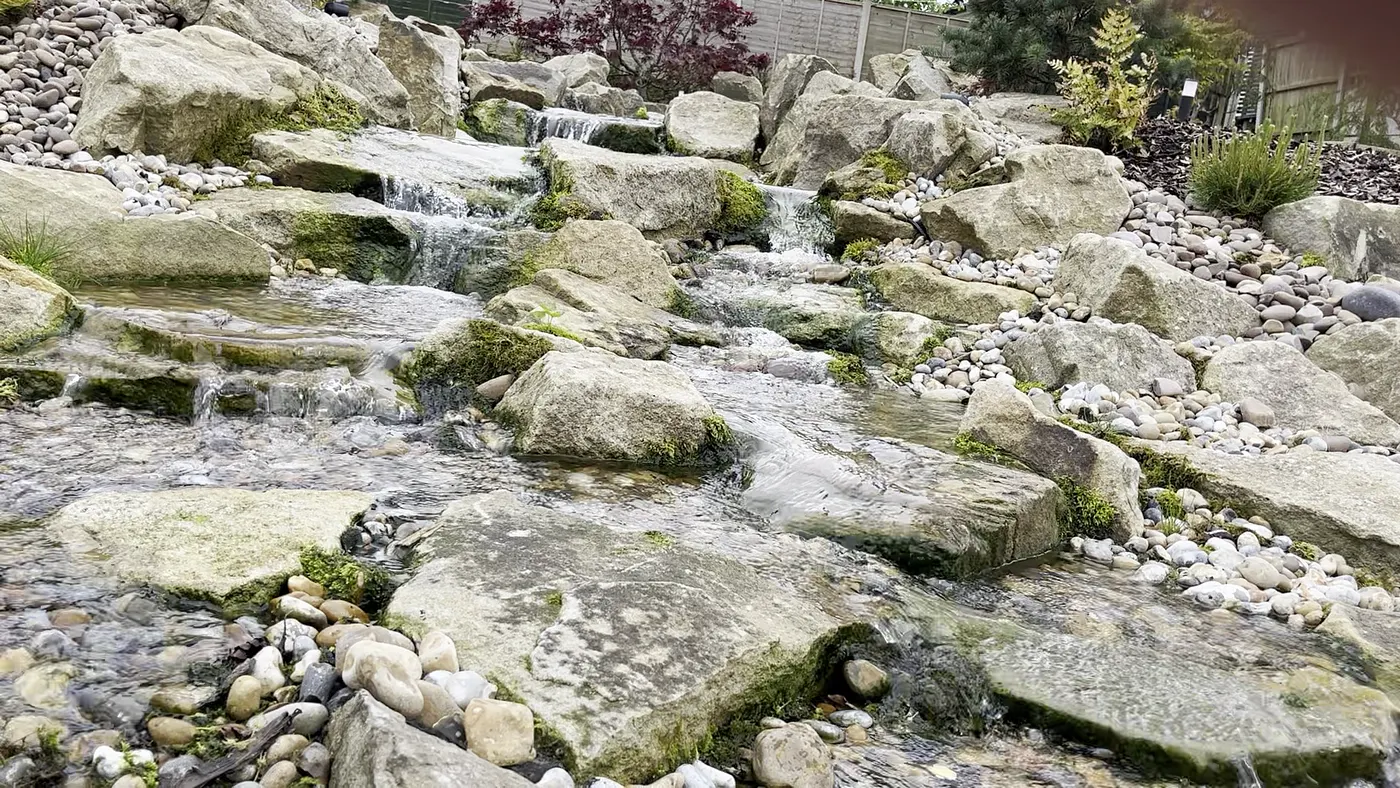
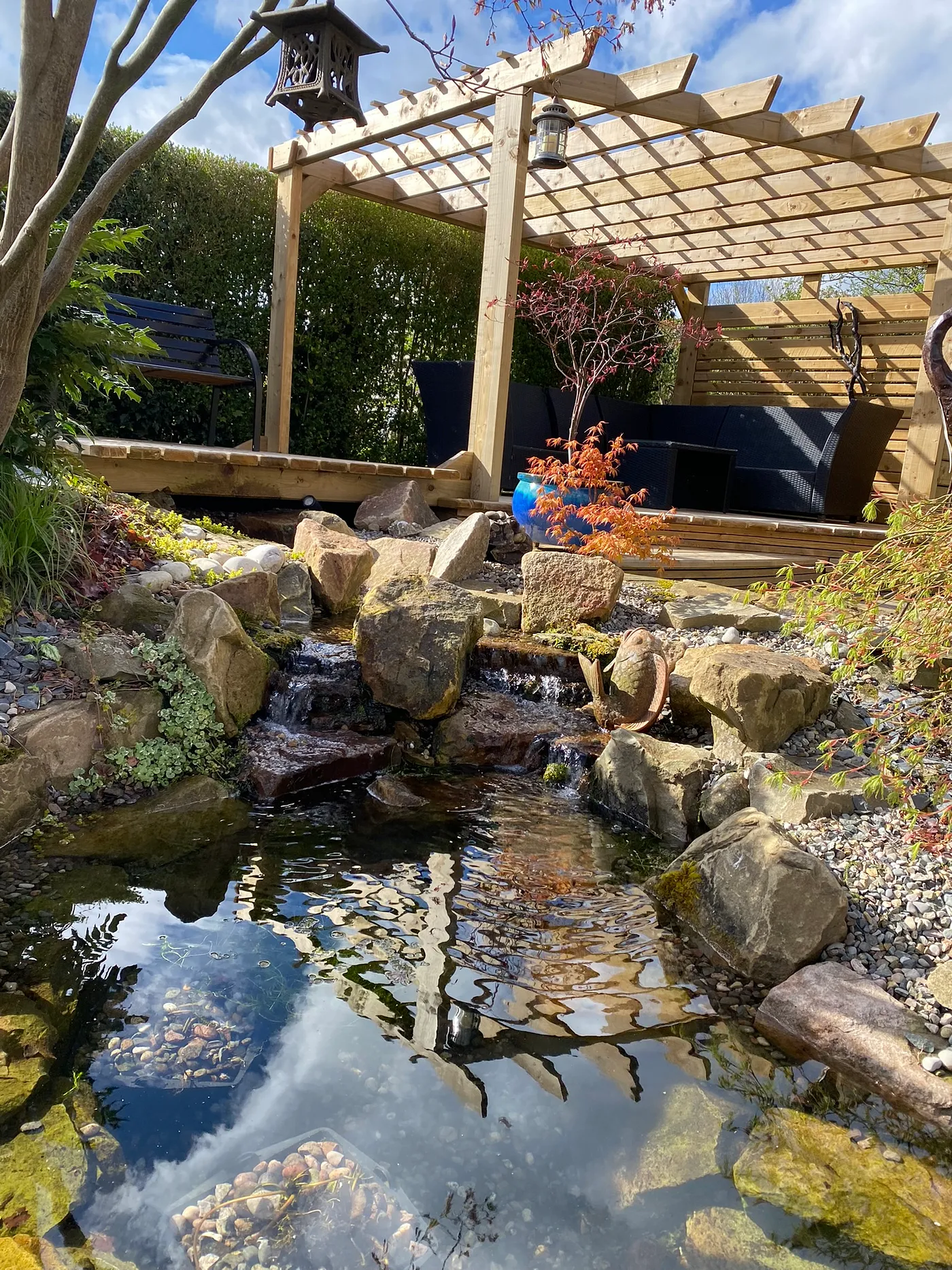
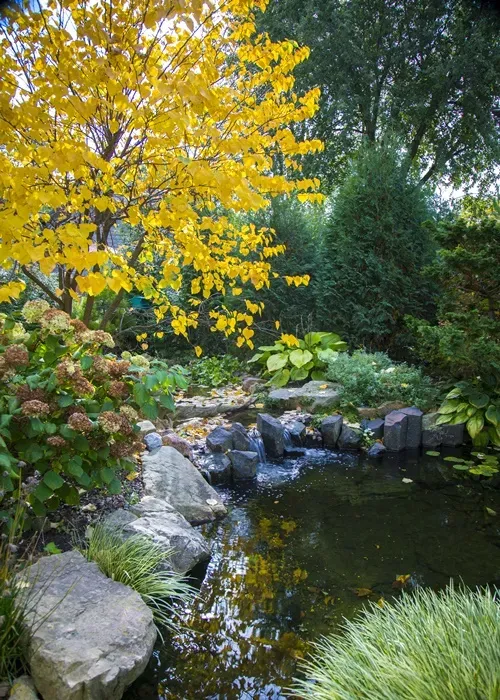
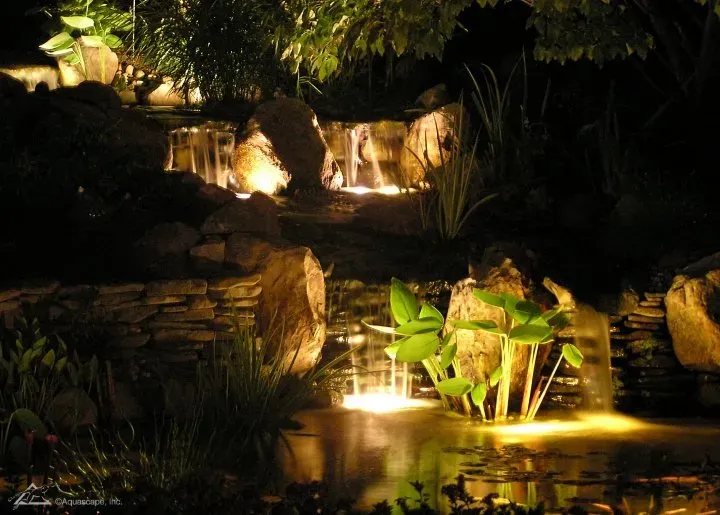
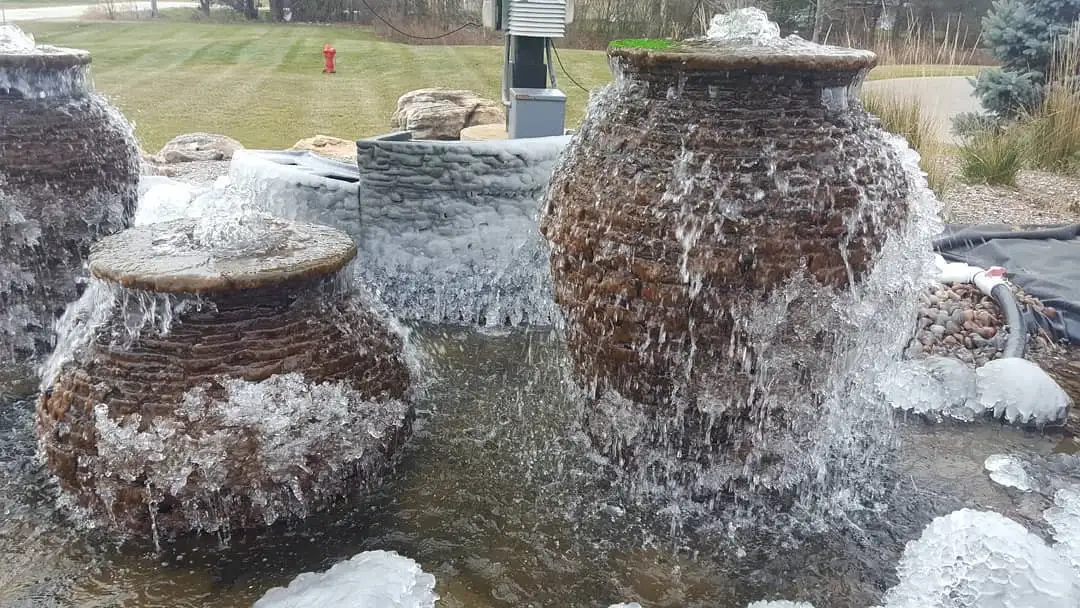
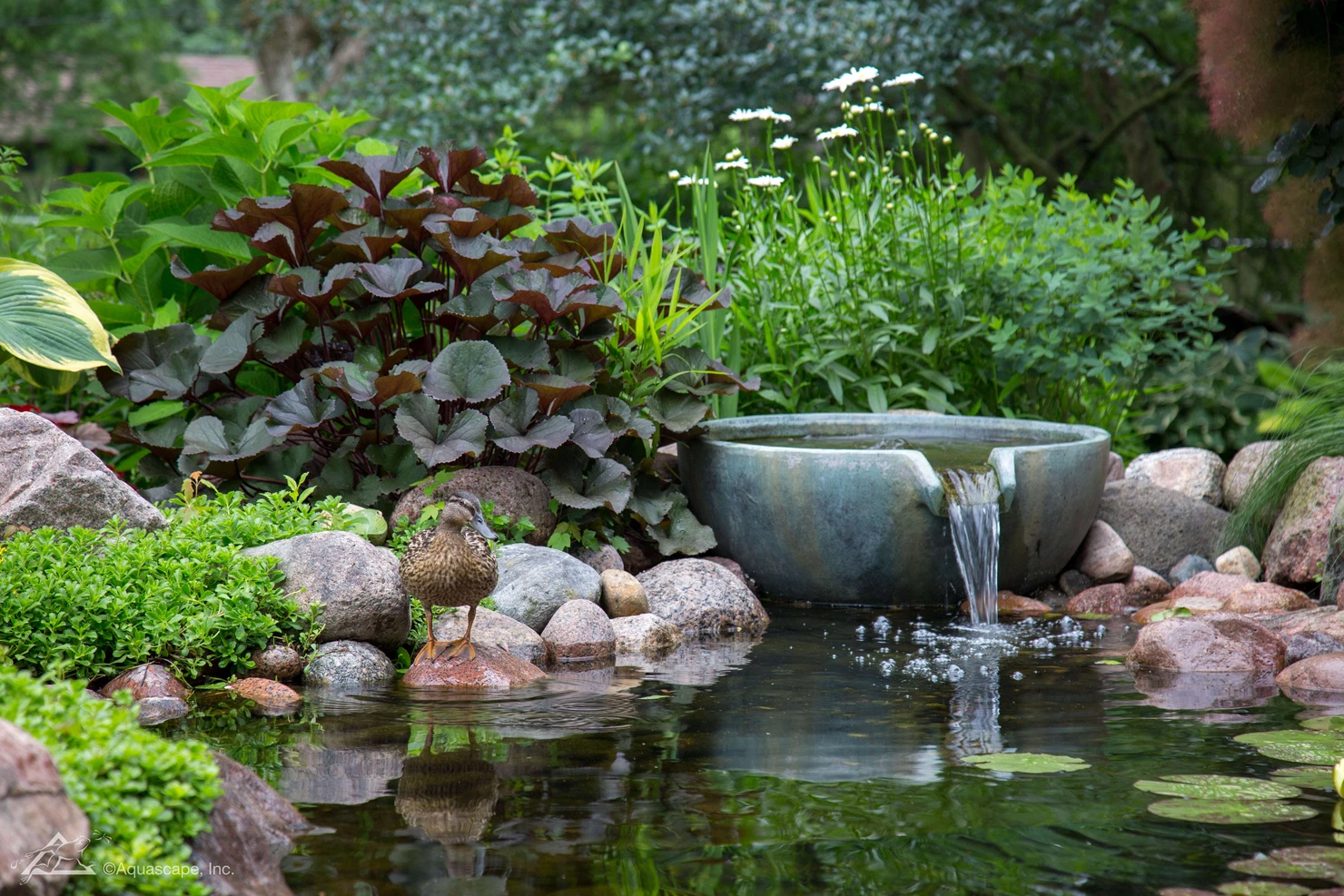
As the biological filter fills, it will overflow and cascade over its waterfall lip, cascading down rocks that have been set to create a beautiful, natural-looking waterfall. The waterfall creates aeration for the pond, assisting in the circulation and health of the water
Biological filters on the market today range in size and can filter ponds up to 10,000 gallons. For larger ponds, multiple biological filters can be incorporated into the design.
The Science Behind the Design
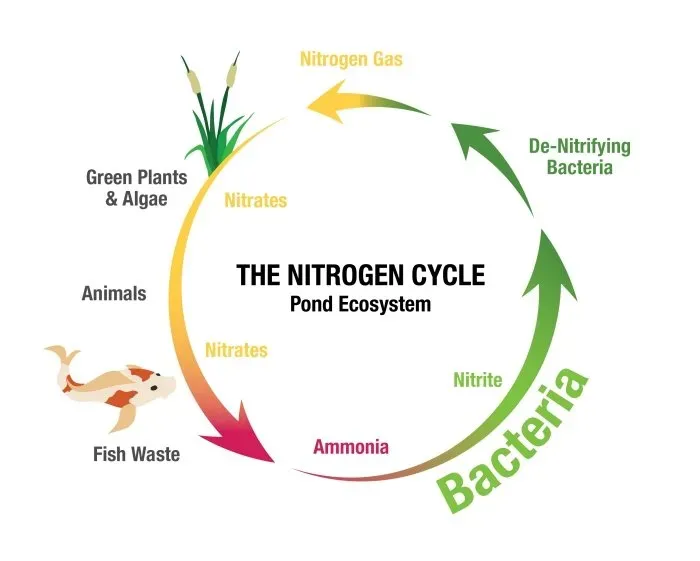
Mechanical and biological filtration are critical to processing the many types of nutrients found in a pond ecosystem, including fish waste, uneaten fish food, leaves, and runoff from lawns to name a few. High levels of ammonia (a form of nitrogen) are highly toxic to fish and are a major contributor to prolific algae growth, and so they need to be carefully controlled. In water gardening, the primary nutrient that biological filtration utilizes and renders usable is nitrogen.
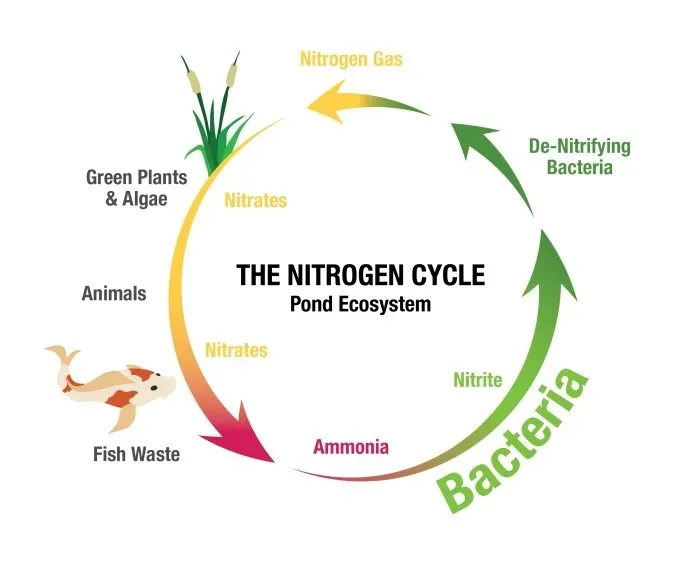
In biological filtration, nitrifying bacteria, known as facultative bacteria, absorb ammonia, and turn nitrites into nitrates, which are less dangerous. These bacteria require oxygen to live, so it’s important for the pond’s pump to run 24 hours a day, 7 days a week. If the pump isn’t running, the waterfalls aren’t flowing, and aeration is eliminated from the necessary equation to maintain an ecosystem pond. Keep in mind that if the pump shuts down, the bacteria will quickly use up all of the oxygen and die. This isn’t a good thing.
Nitrates are then removed from the pond by another biological filtration method known as de-nitrification. This process occurs only in anaerobic (without oxygen) areas of the pond. That’s why it’s not necessarily bad for some areas of the pond to experience minimal water flow (such as on the bottom of the pond, under an inch or so of gravel). The bacteria that live in this area of the pond turn nitrates into nitrogen gas, which is released into the atmosphere. Nitrates are also absorbed by aquatic plants and algae during their growth processes. A pond without aquatic plants will prove to be a maintenance nightmare.
For any biological filtration to work, there literally needs to be billions of bacteria working to purify the water. They prefer to anchor onto things, which is why surface area is so important. More surface area means more bacteria, and more bacteria means better biological filtration. Surface area is provided by filter media, rocks, and gravel. A pond with gravel on the bottom will contain more surface area for bacteria, as opposed to a pond with exposed liner on the bottom.
The Role of Aquatic Plants
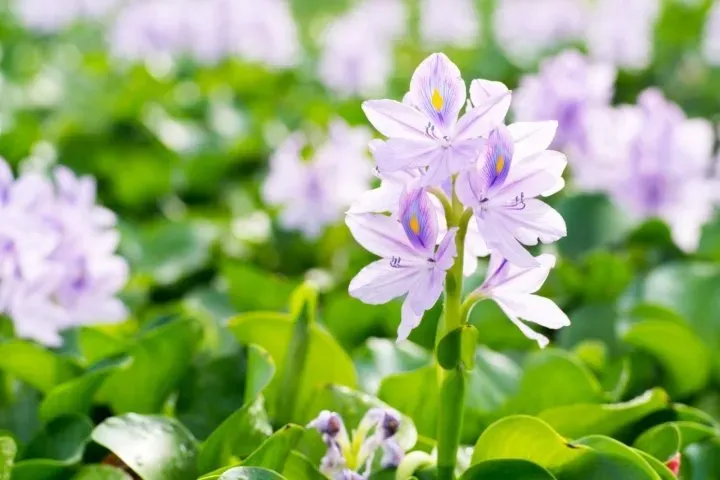
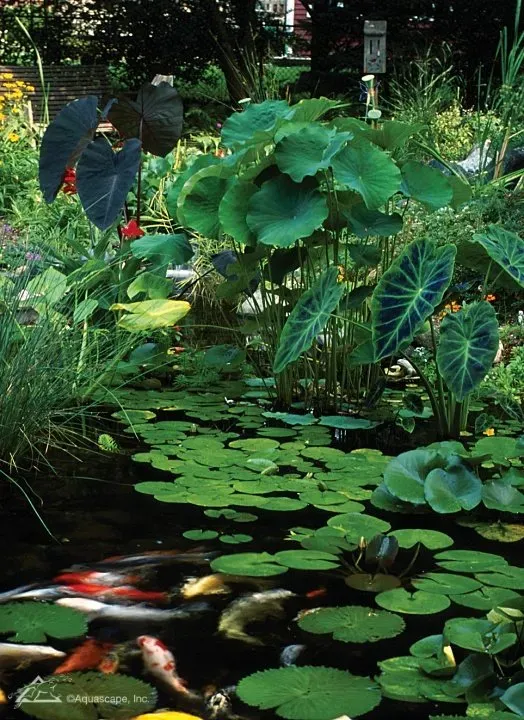
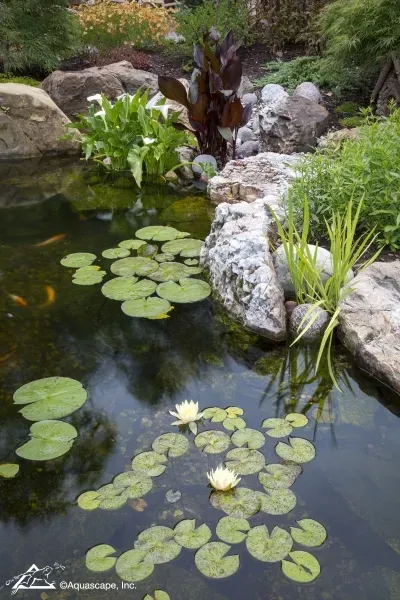
Another important component to pond filtration is the use of plants. Many gardeners add a pond to their landscape for the variety of aquatic plants available, and while their beauty is certainly an aesthetic asset, a critical benefit is the work these plants do to help filter the water. Plants help purify pond water by reducing nutrients, filtering out sediments and absorbing toxic compounds through the process of phytoremediation.
If these excess nutrients are not removed, algae will feed on them, resulting in green water, string algae, or both. Algae control is not the only way plants help create a low-maintenance ecosystem pond. Submerged and marginal plants also provide food, shade, and protection for the fish and other wildlife that live in and around the pond.
Low-Maintenance Pond Experience
To keep pond water quality high, the simple process of repeatedly turning the water over through the mechanical and biological filters is needed in order to create a naturally balanced, low-maintenance ecosystem pond. Add the remaining components of plants, fish, aeration, rock, and gravel, and you’ll find greater success in maintaining clean and clear pond water.
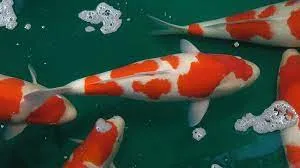
Your fish are happier and less stressed when their environment is healthy. Not to mention, it’s so much more enjoyable when you can actually see your fish swimming in clean water created by an efficient pond filtration system.
Interested in your own ecosystem pond? Get in touch