Why You Need Plants in Your Pond
For habitat-led projects with planting and biodiversity in mind, see our wildlife pond design service.
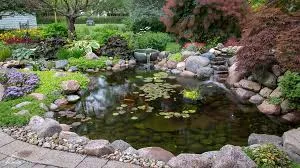
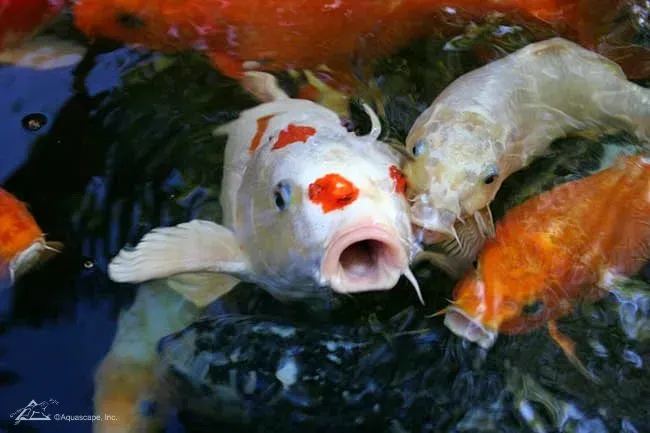
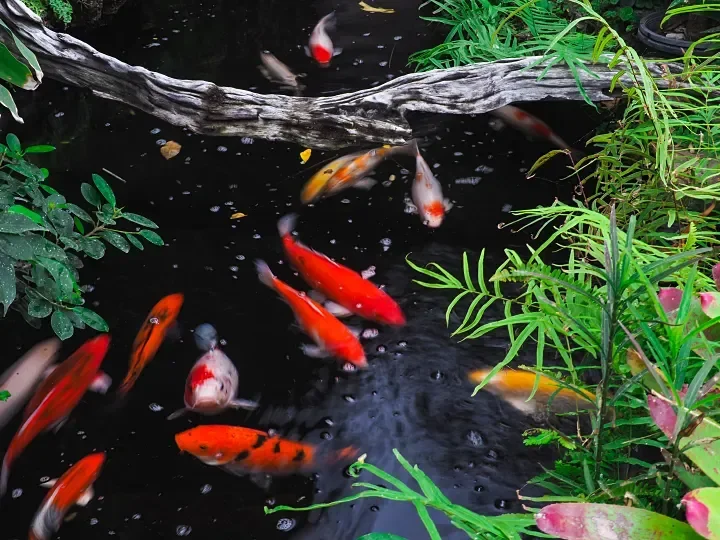
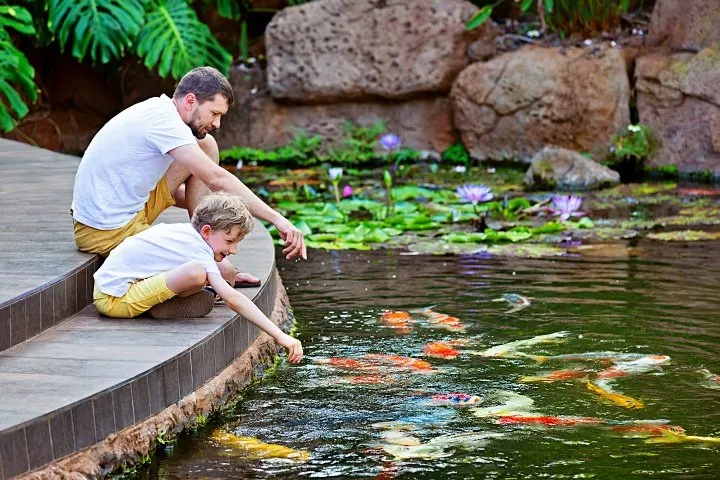
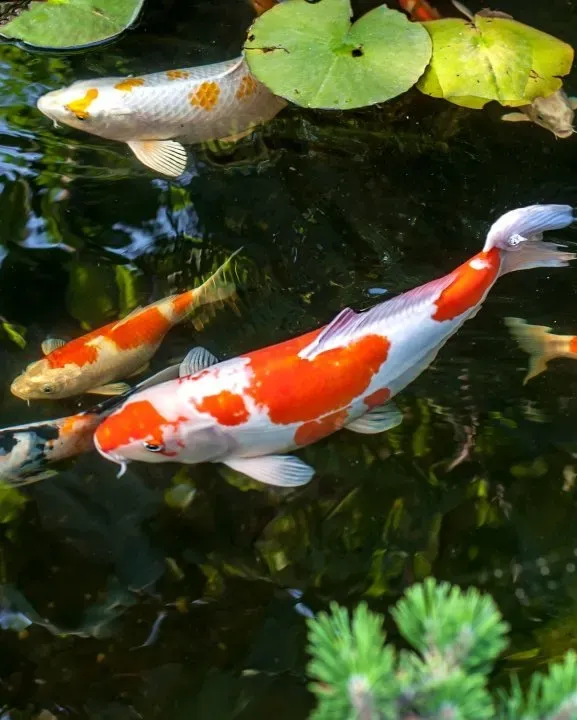
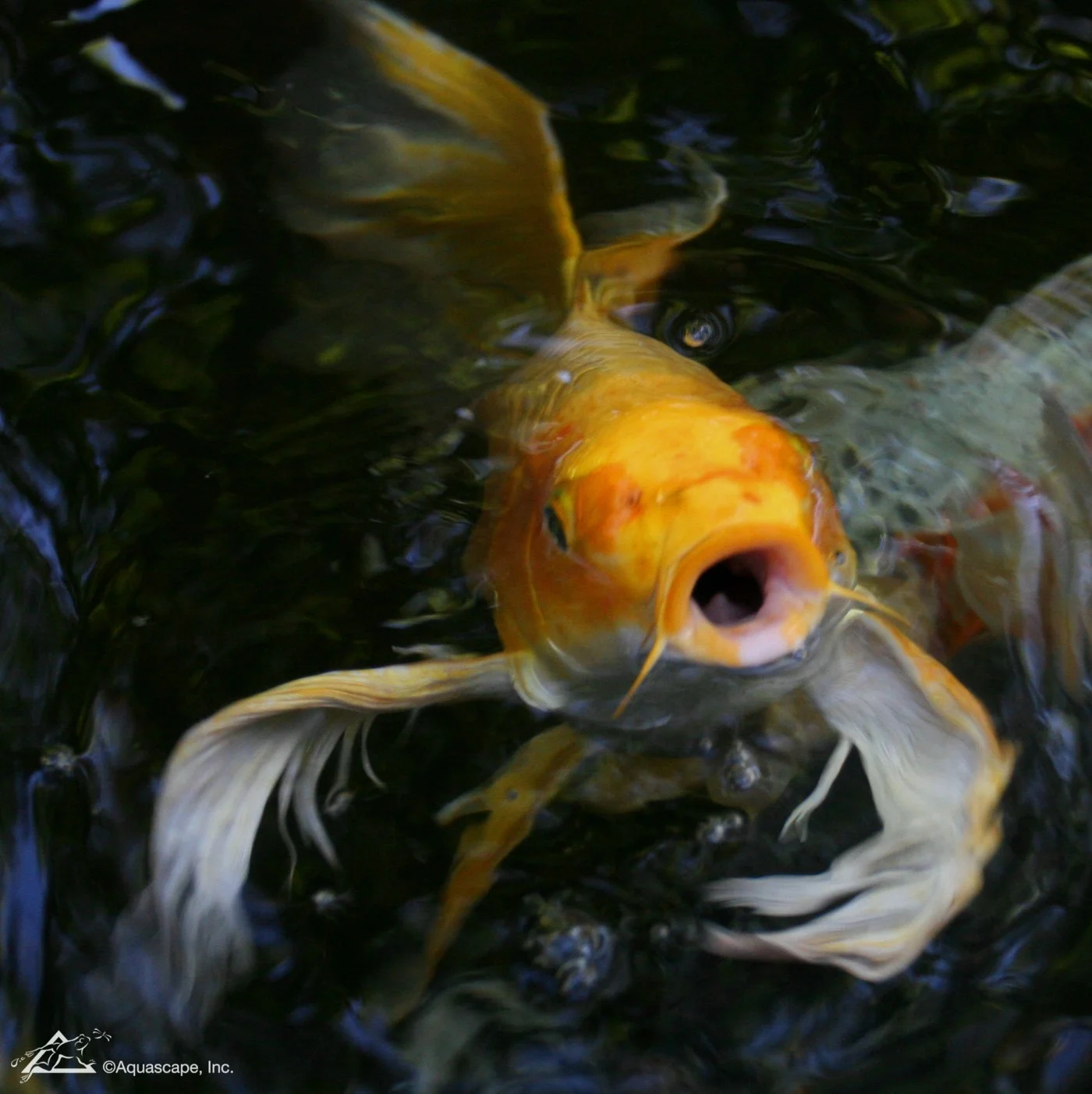
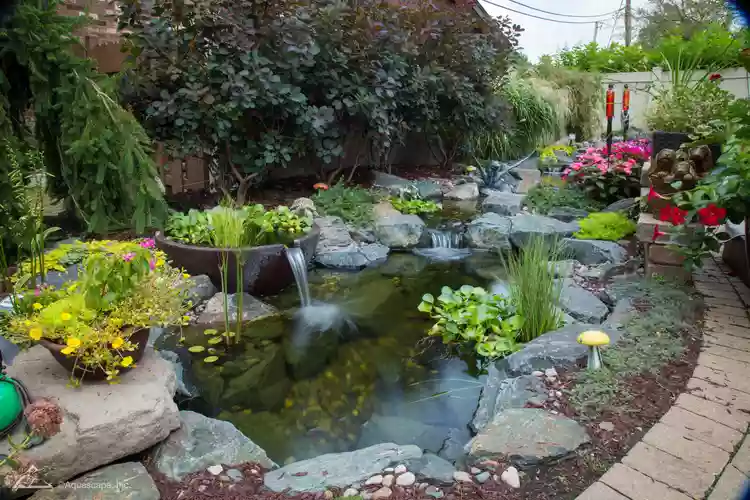
Which type of pond owner are you? Do you love fish and enjoy keeping koi as pets? Or maybe you’re an avid gardener that desired a pond so you could expand your outdoor plant and flower options. The majority of pond owners want a pond in order to enjoy its overall beauty in addition to the soothing sound of the waterfall. Regardless of which type of pond owner you are, it’s important to understand why you need plants in your pond and how they enhance the overall ecosystem.
An important role to the ecosystem
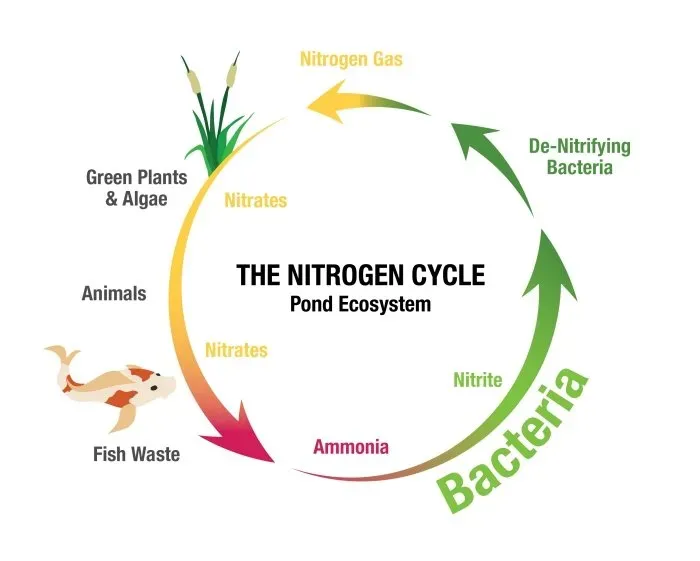
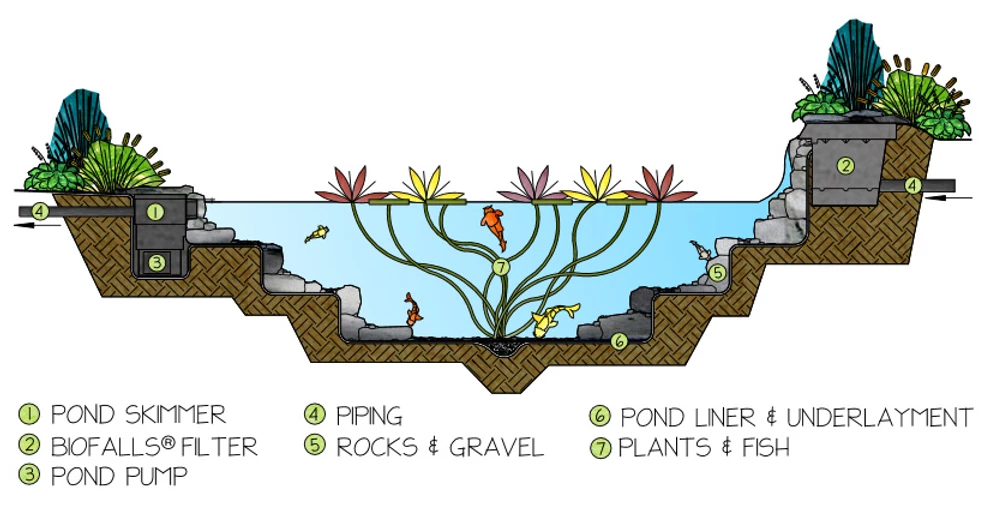
Plants provide beauty and naturalization while offering the plant enthusiast a whole new world of plant choices. Most importantly, they help balance the pond ecosystem by providing valuable biological filtration that removes nitrogen, ammonia, nitrates, and other minerals from the water that algae would otherwise feed and flourish on. All this minimizes pond maintenance, leaving more time to enjoy your beautiful water garden. Without hardworking aquatic plants, your pond would not be able to function as its own little ecosystem.
Food and Shelter
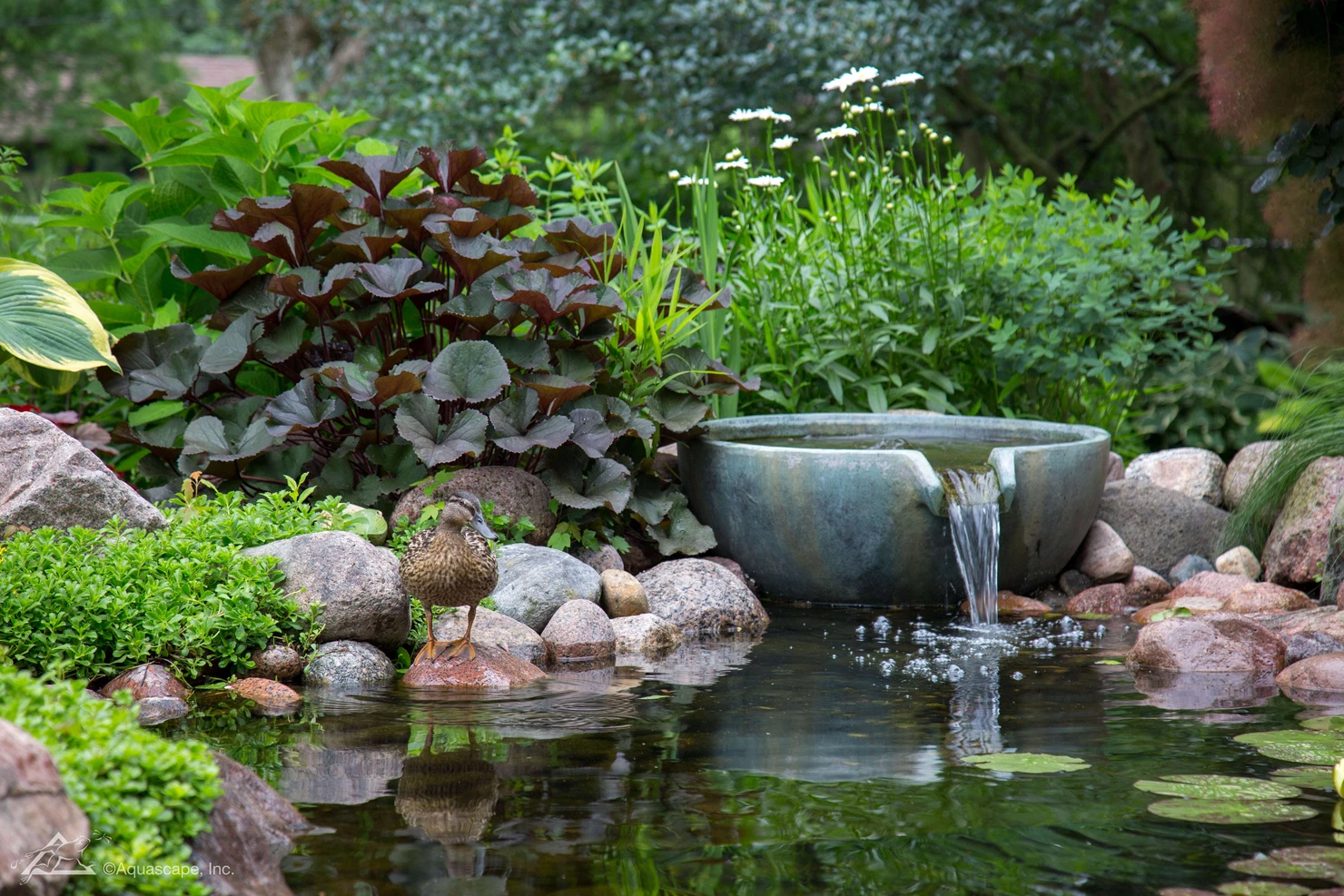
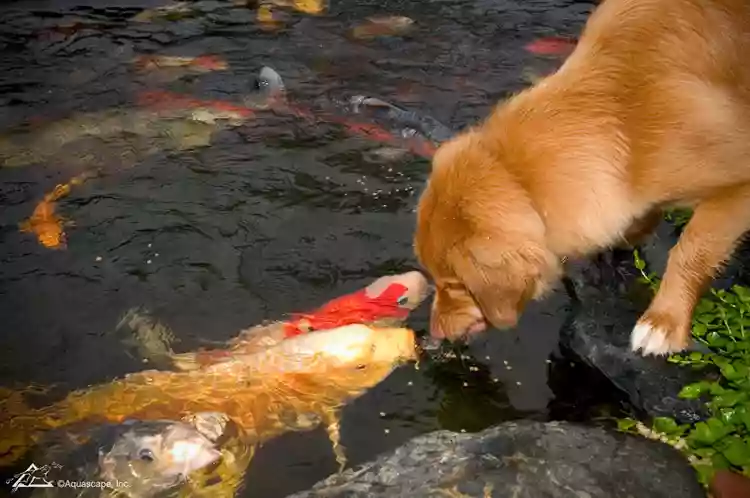
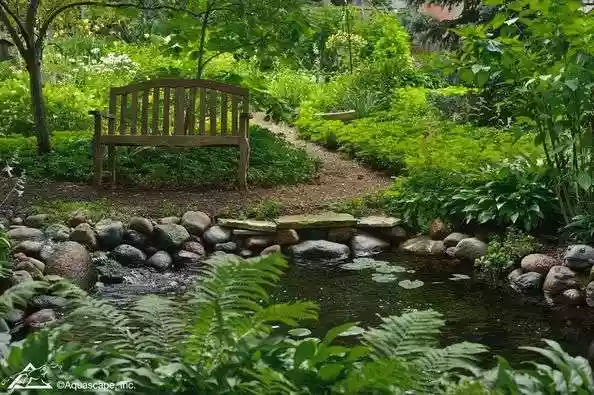
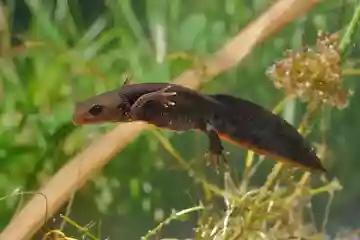
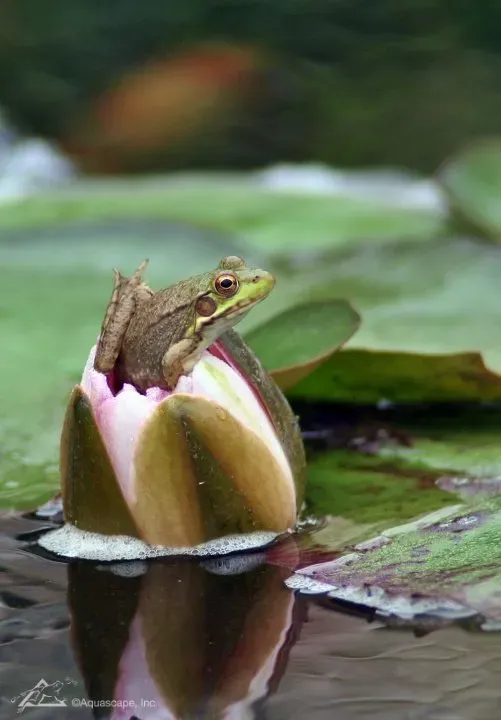
The plants in your pond provide food, shade, and protection for the fish and wildlife that live in and around the pond. They also provide areas for fish to spawn and a safe place for frogs and toads to lay their eggs. But plants don’t even need to be in the pond in order to help your wildlife. Plants placed around the edges of your pond attract birds looking for food and shelter, while blooming plants attract beneficial insects, butterflies, and others to your watery paradise.
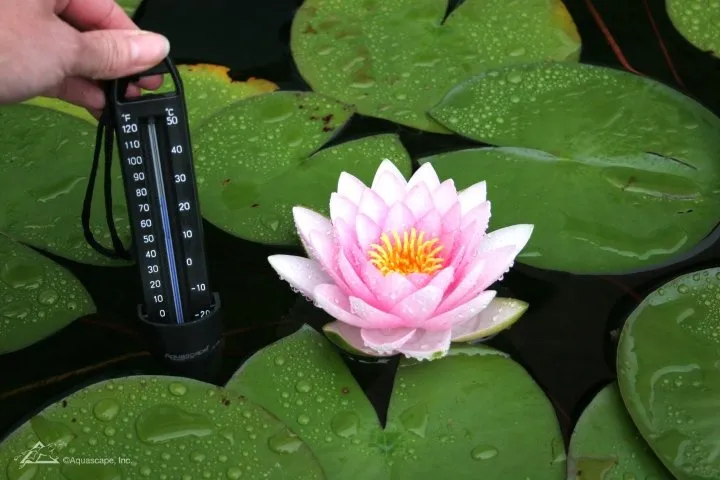
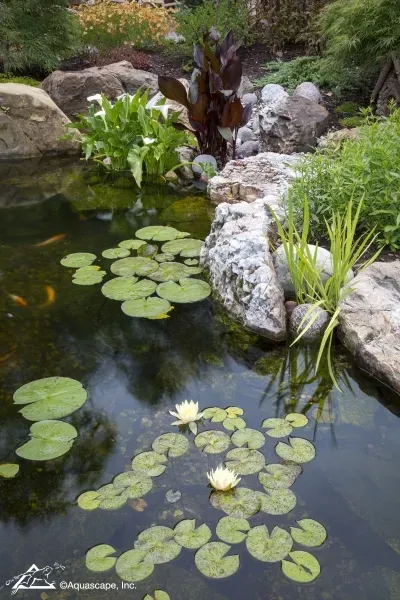
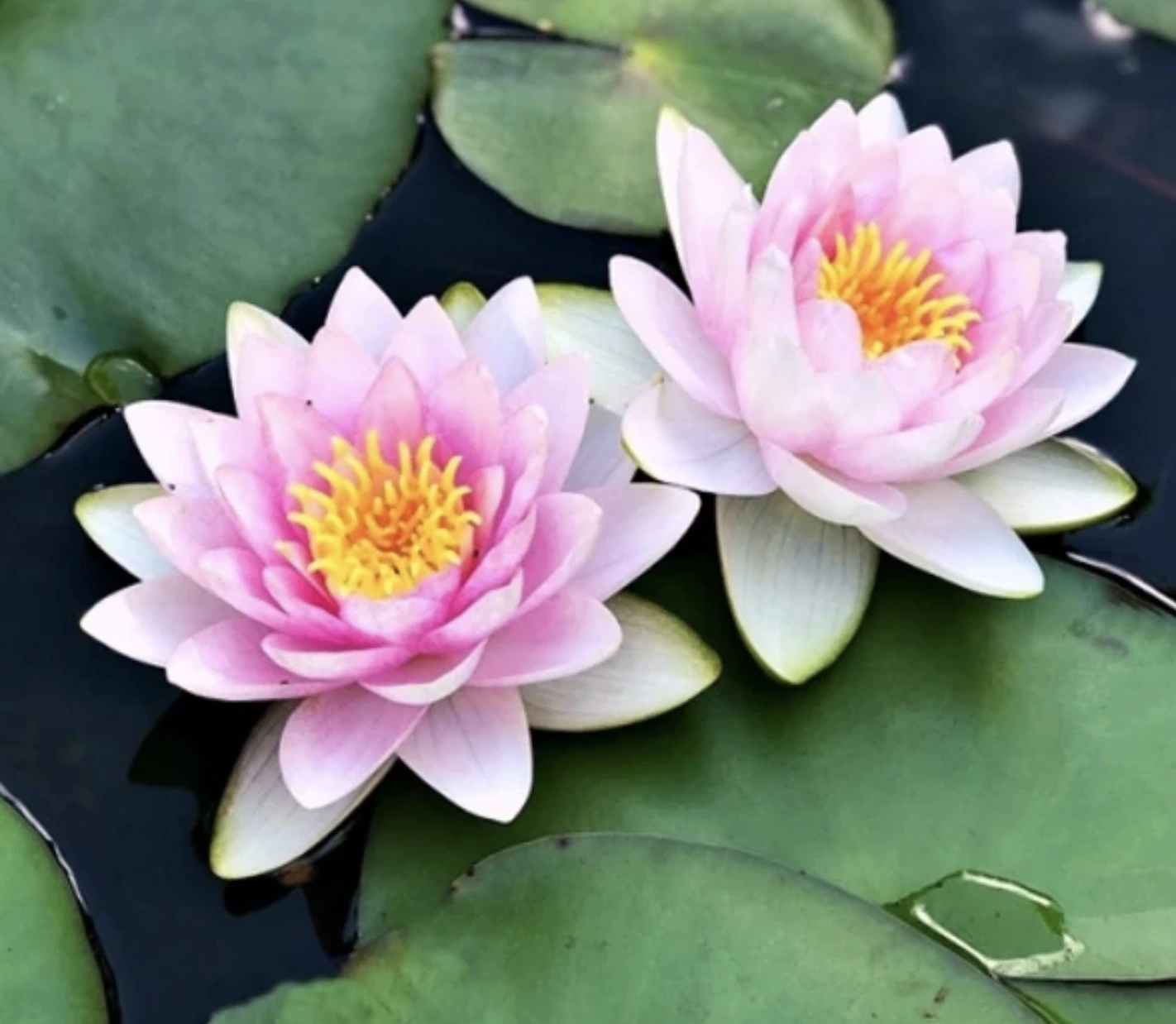
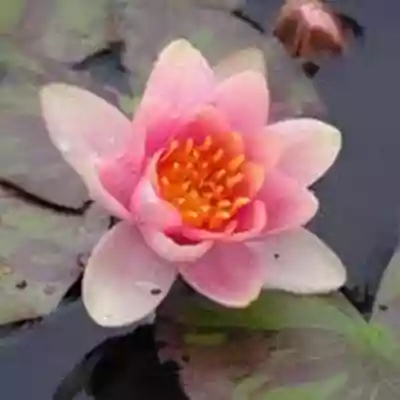
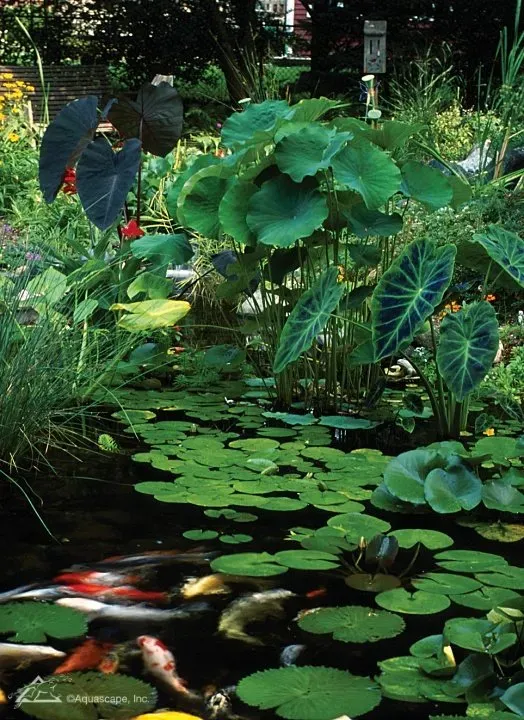
Waterlilies, the most popular of all the aquatic plants, spread a multitude of leaves across the surface that shades the water. This natural umbrella comes in a beautiful hue of green, providing shade which keeps the water a cool, comfortable temperature for your fish, as well as aids in preventing algae growth.
Visual Beauty
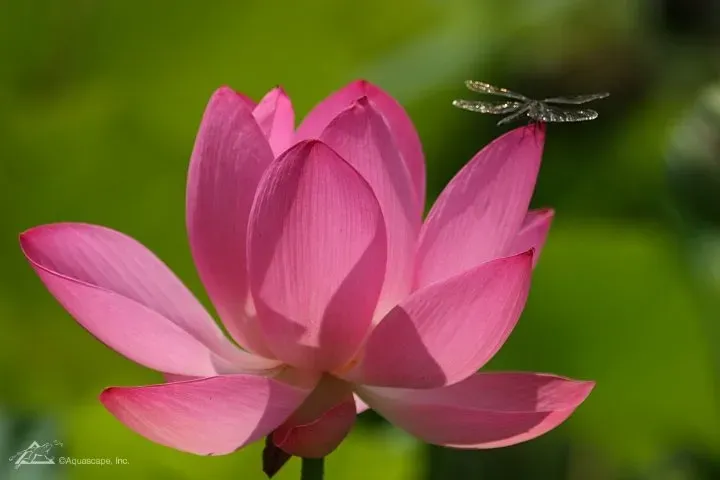
Plants also provide pleasure to the pond lover. There’s something special and delightful when seeing a frog pop its head up between the lily pads, or watching him take rest on top of of the round leaf. Equally interesting is spotting a dragonfly zipping around the pond and coming to rest on a waterlily bloom. This euphoric paradise wouldn’t be possible without the plants.
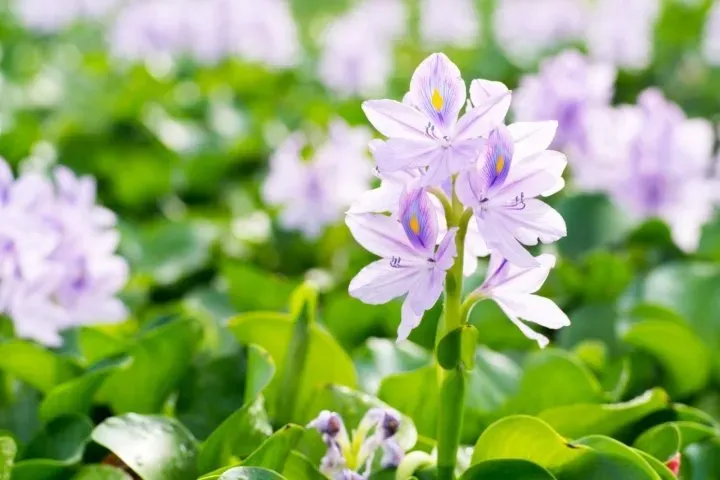
Being in the presence of the lush and aromatic plantings, from waterlilies, lotus, aquatic mint and more in the water, to the infinite numbers of flowering terrestrial beauties surrounding the pond, it’s all a memorable and exhilarating experience.
What Happens If There Are No Pond Plants?
Eliminate plants from the pond and what you have is the equivalent of a lawn without a landscape. Not to mention, you’ve greatly reduced the beneficial filtration in the pond. By itself, clean and clear water has an attractive quality, but in order to make it naturally clear, plants are an absolute necessity.
A common misconception is that pond plants are hard to grow and difficult to maintain. The fact is, most aquatic plants are easy to grow provided they’re planted at the right depth and are receiving the proper amount of sunlight for that particular plant.
Nature’s Filters
Each type of aquatic plant has its own set of requirements for optimum growth. The more a plant grows, the more food it needs. Pond plants thrive off the same nutrients as algae, so when they’re larger and consuming more nutrients, they’re starving algae of its food source. The more your plants consume, the less algae you’ll have in your pond.
Some plants prefer to be planted in the stream because they thrive on higher oxygen levels that exist in moving water. Other plants prefer no movement at all. In addition, each aquatic plant species has its own requirements for water depth. Some prefer to grow in deeper areas of the pond, while others will only tolerate getting their feet wet in very shallow water. Having a good assortment of plants whose roots reach different depths, consuming different nutrients at each level of the pond, will provide your pond with broad-spectrum filtration.
Mix It Up with Variety
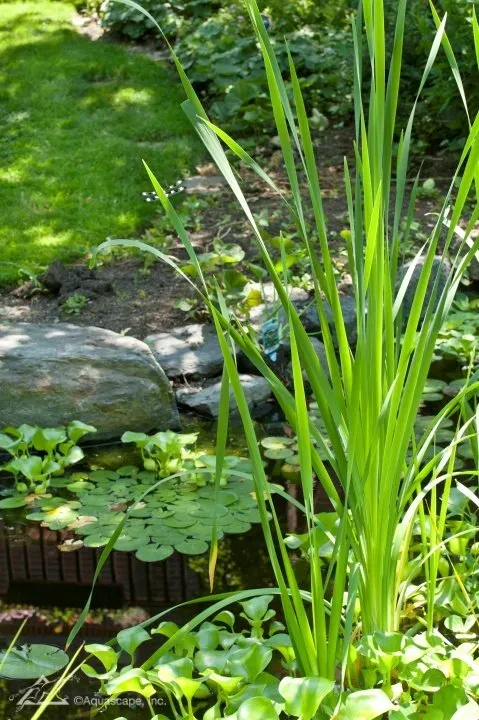
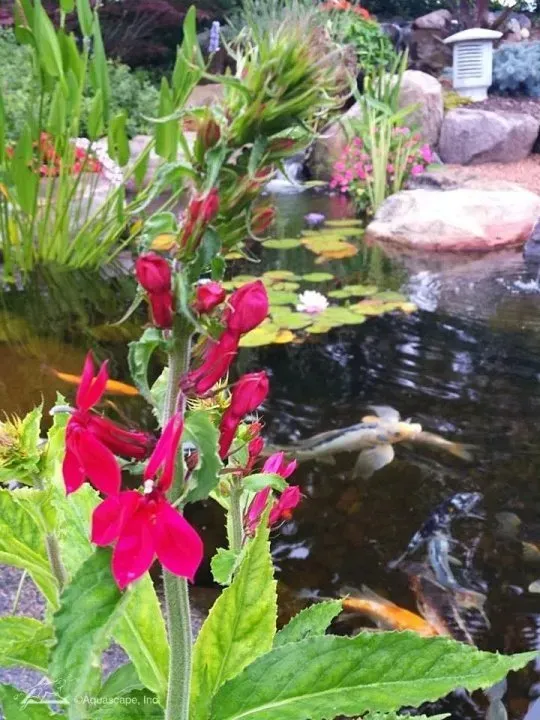
It’s always best to select a variety of plants for your pond. Mix it up and have fun with the colorful array of flowers, textures, and plant heights. Variety is what makes a water garden interesting.
For an exciting color palette in your pond, try different varieties of waterlilies. And don’t be afraid to invest in tropical waterlilies, too. They come in unique colors and some bloom at night which is an advantage for people who work during the day. When you head out to your pond for a bit of relaxation after work, your night bloomers will greet you with open petals.
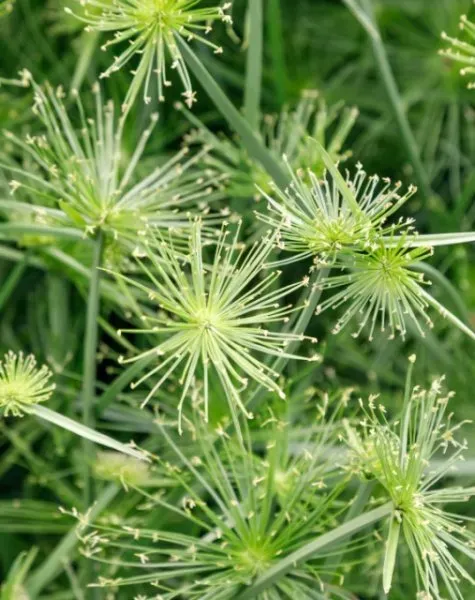
When it comes to marginals and floating plants, there is an almost overwhelming array from which to choose. You can go with old standbys such as pickerel plant, cattail, lizard’s tail, and sweet flag. Or you could try more exotic options like cardinal flowers, cannas, taros, and rushes.
Don’t forget to try a majestic lotus with its huge leaves and giant flowers. Different varieties allow you to grow it in anything from a small decorative pot to the largest of water gardens. Many people think lotuses are too large for their small pond, or difficult to grow. This isn’t entirely true, just remember that lotus need at least six hours of direct (not dappled) sunlight to bloom their best.
Now That You Know
Learning a little more about the role of plants in your pond is important to help you better understand the ecosystem you have in your very own yard. When it comes to keeping plants in your water garden, remember to stay educated and have fun. Don’t be afraid to experiment with new plants, but for best results, read up on their requirements before adding them to your pond.
LOOKING FOR YOUR OWN ECOSYSTEM POND ?
GET IN TOUCH. 07815 075 416
“We create inspirational, living ecosystem ponds & water features that will change the way you view and use your outdoor space. Our vision focuses on the ecosystem approach to ponds & water features. Using the natural balance of circulation, filtration, plants, fish, rocks, and gravel to ensure sustainability. This vision cultivates our commitment to the environment and the responsible use of water our planet’s greatest resource. In addition to our ecosystem philosophy, we truly believe in the therapeutic benefits of the water gardening lifestyle. Transforming your dreams into garden reality takes some planning, our trusted Aquascape certified pond builders are ready to help you bring your dreams to life”