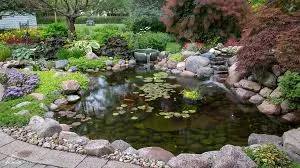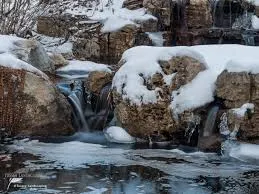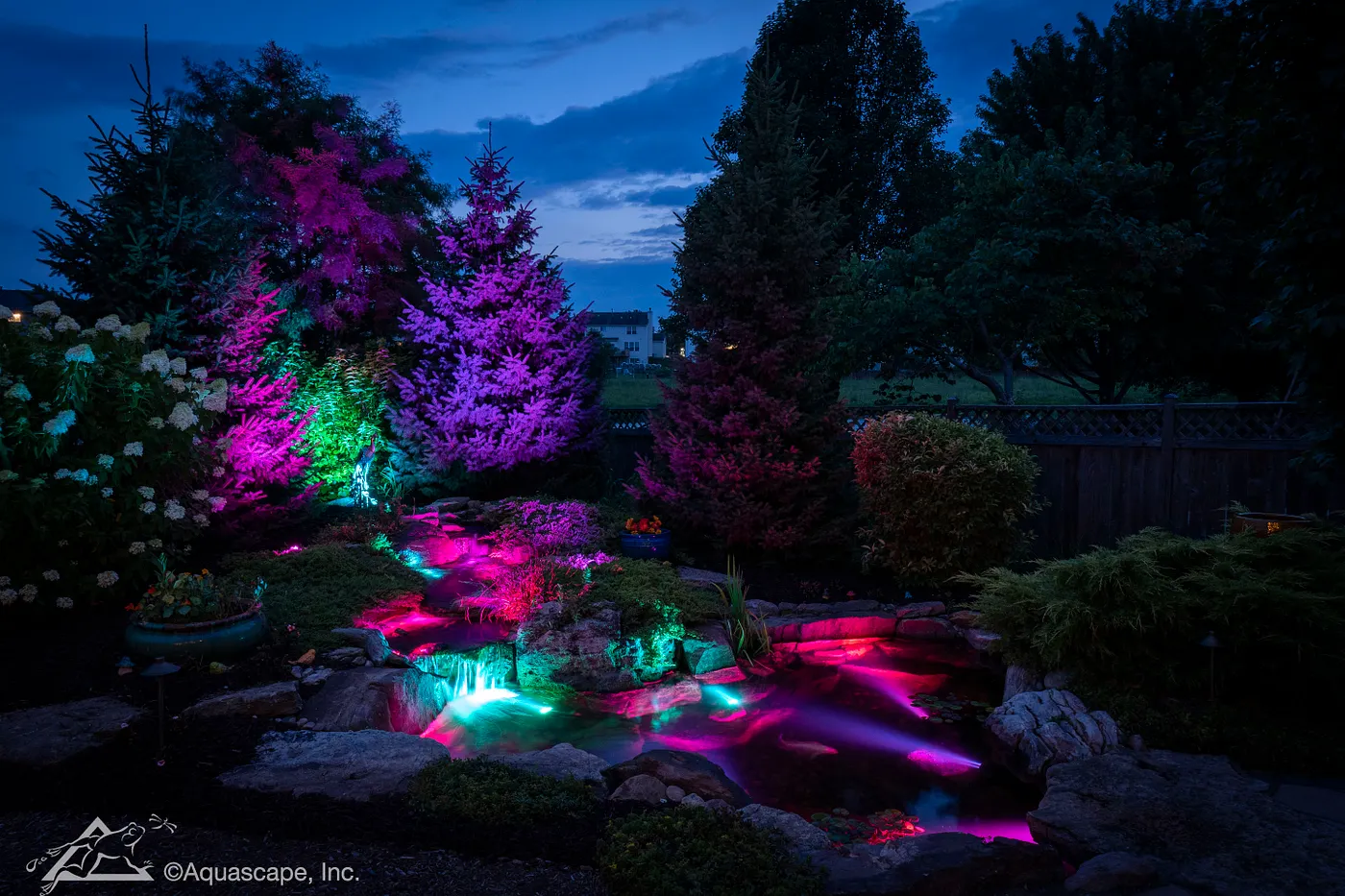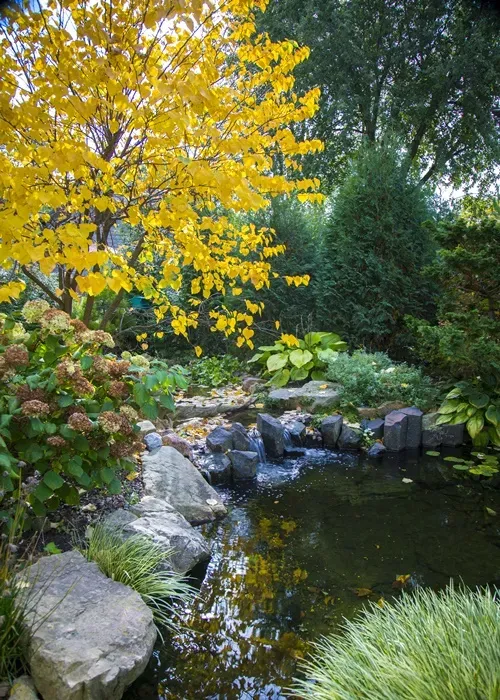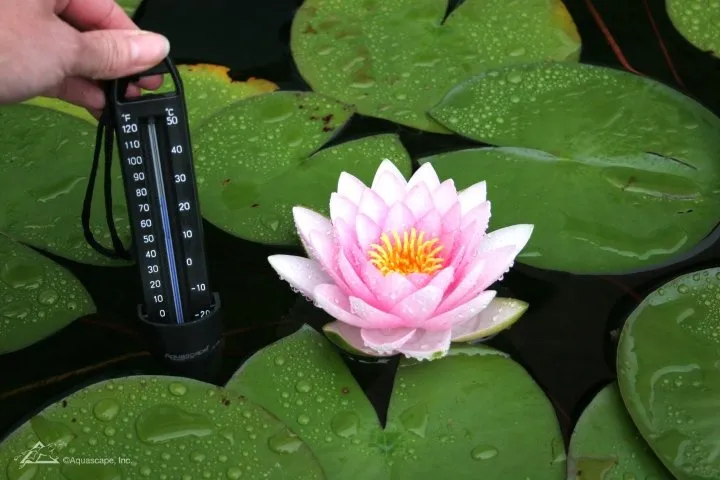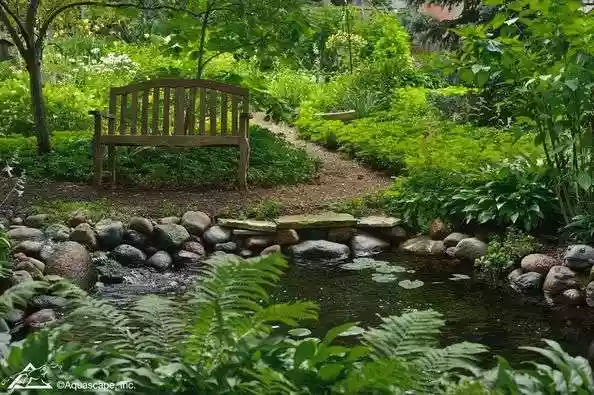
The 5 steps of a balanced ecosystem pond

If you are considering a full natural build, our ecosystem pond service covers design, installation, and long-term performance.

How does a ecosystem pond work?

Every pond ecosystem possesses its own qualities, conditions, and characteristics, but all ponds have some algae some more than others. An over-abundance of algae is the most frequent problem occurring in British ponds.

The answer however, is to find the balance that Mother Nature intended, and the algae will stay under control at an acceptable level. Managing the pond ecosystem in a way that is logical and consistent with Mother Nature is a technique that has been proven to be very successful.

Algae problems are most likely the result of an unbalanced pond. To understand this, one needs only to understand that a water garden is an ecosystem of interrelated elements which all play an equally important role. Together these elements work to maintain a natural ecosystem without over-filtering or adding excessive amounts of chemicals to the pond.

Filtration System

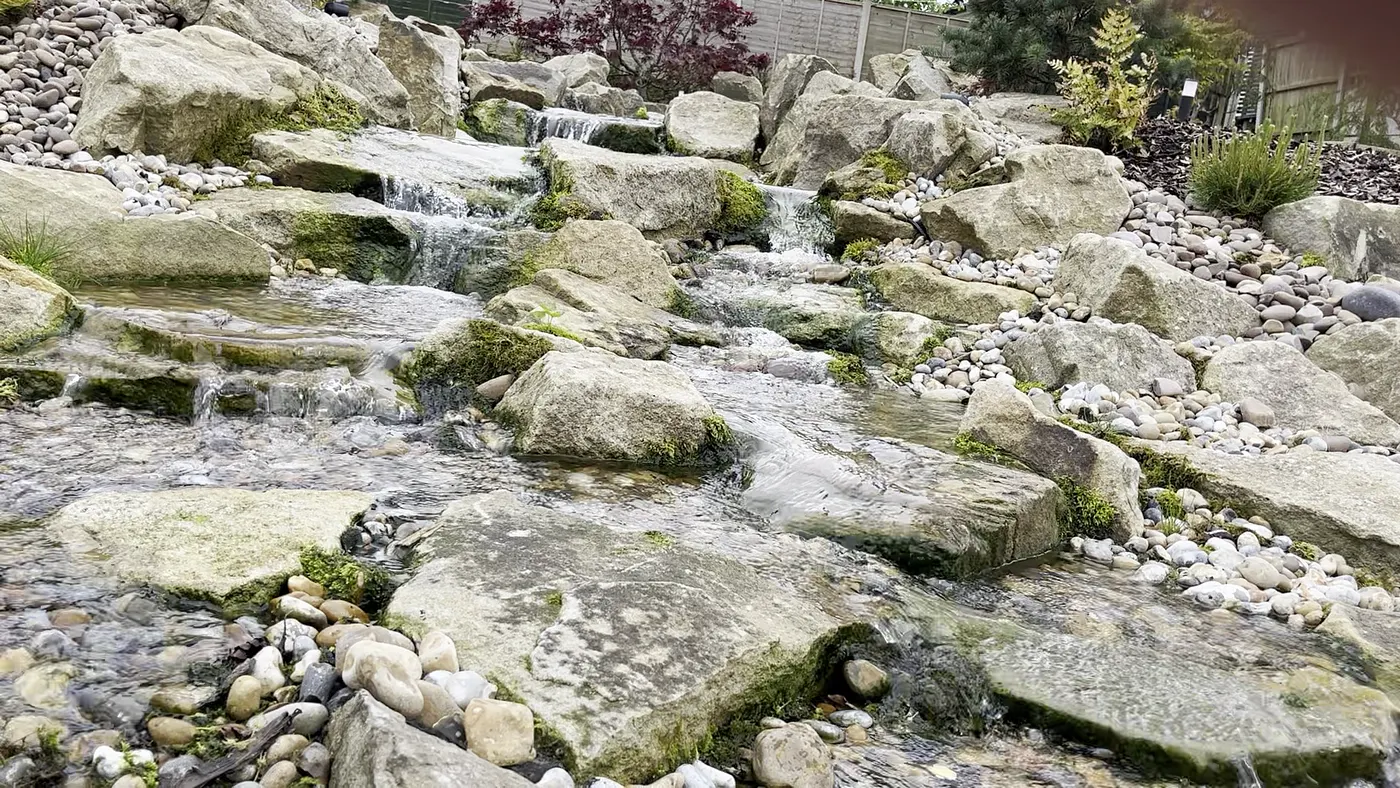
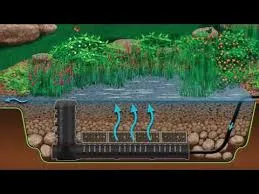
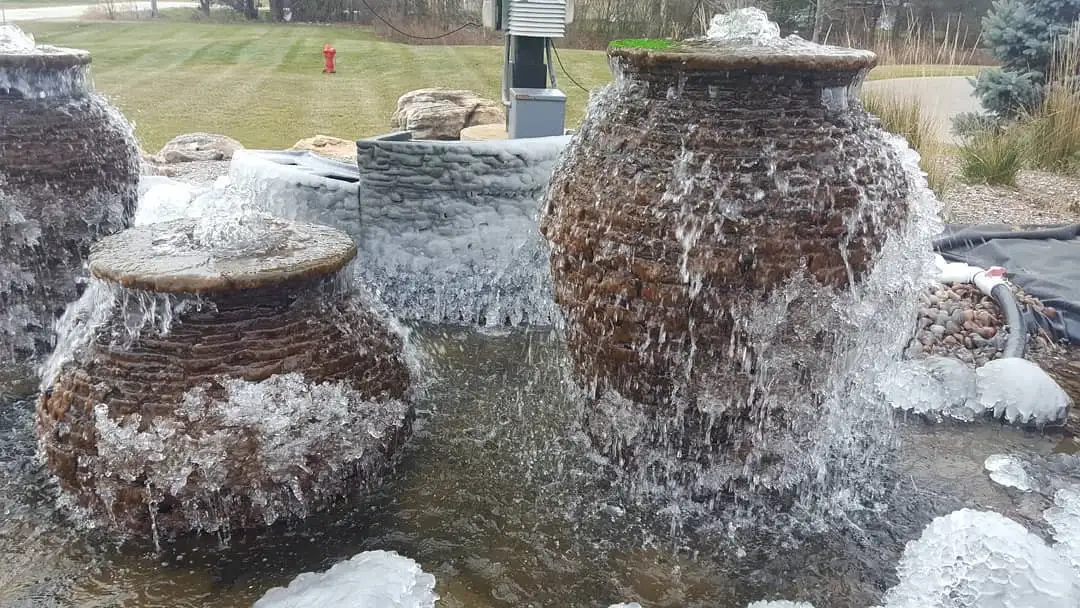
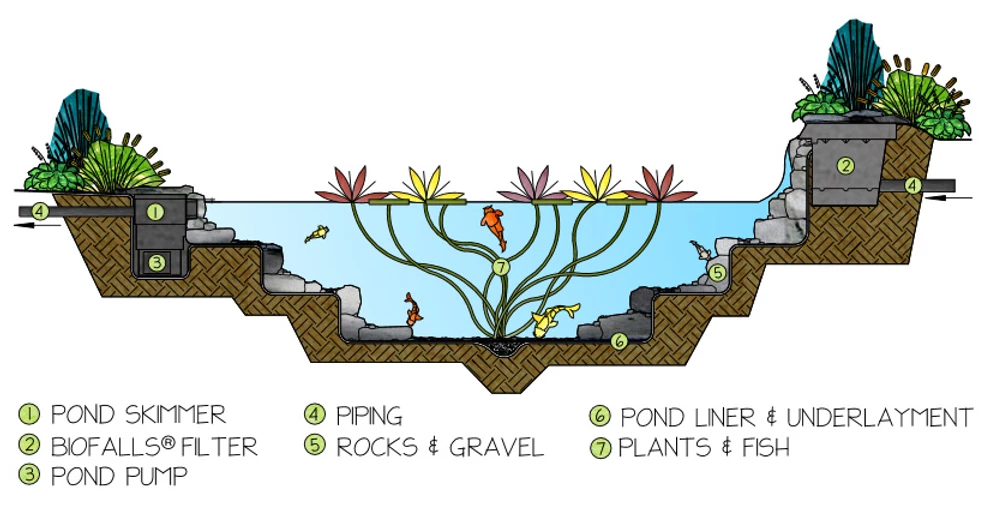
Designing and implementing an efficient circulation system ensures that the water is oxygenated and pond debris (including leaves, larvae, floating algae, and anything else that is blown in) will be swept from the pond’s surface and deposited into an easily emptied skimmer basket. Through various forms of mechanical and biological filtration, the aquatic circle of life turns repeatedly in your pond.

Plants

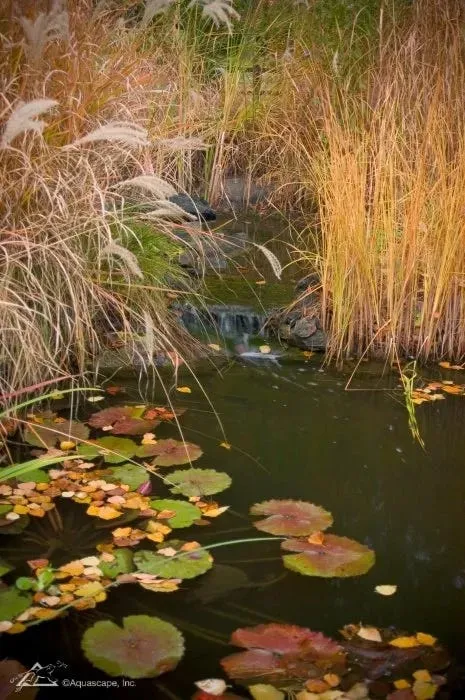
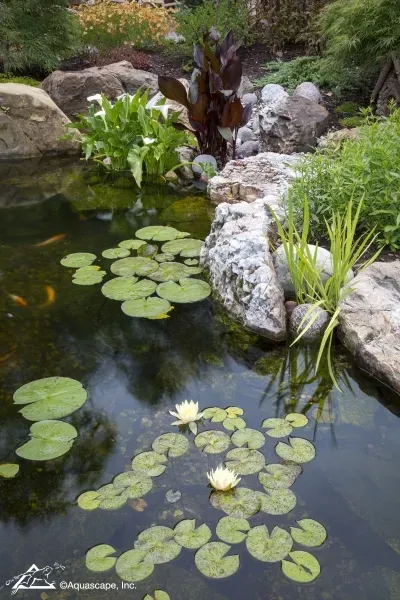
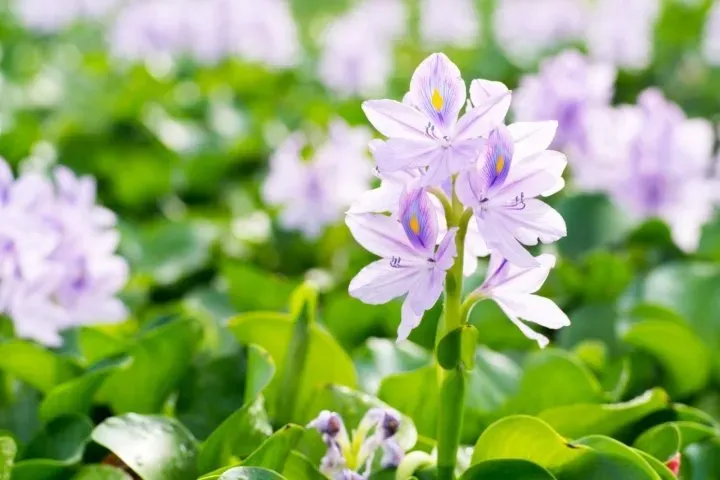
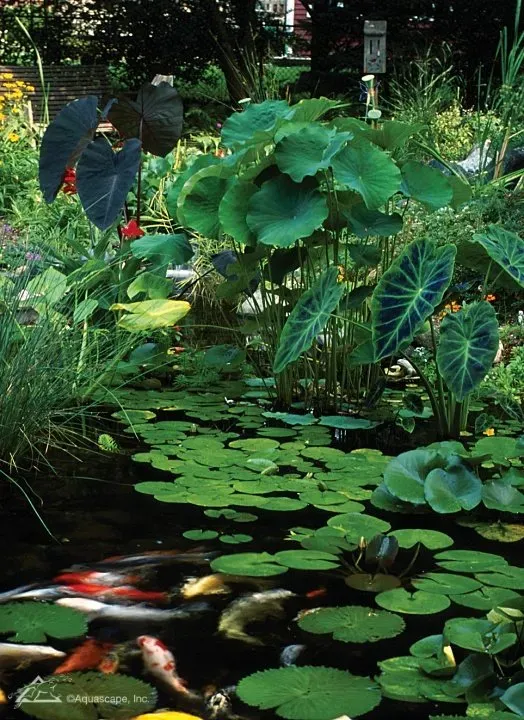
Algae are plants, and all aquatic plants feed off the same nutrients in the water. The more plants you add to your pond, the more the algae will be starved from its food source. Algae growth will be minimized naturally and effortlessly.

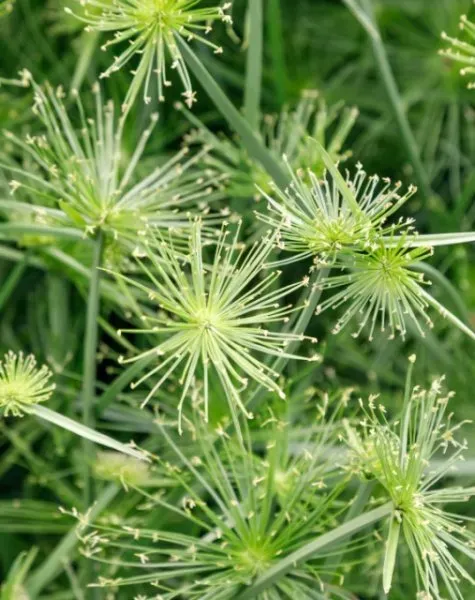
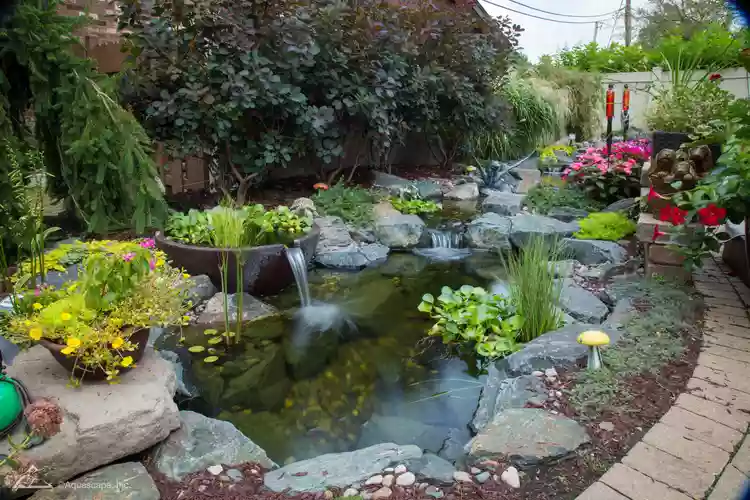
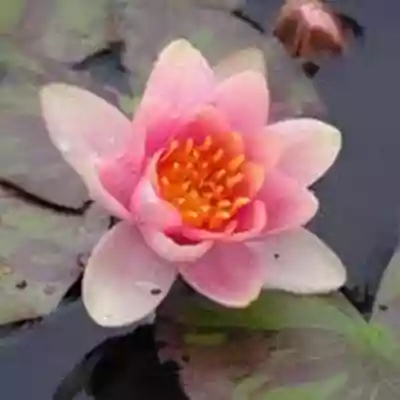
A wide variety of aquatic plants are available for your pond. From waterlilies and lotus to marginal plants such as marsh marigold and horsetail, you will never tire of the options available to you.

Fish

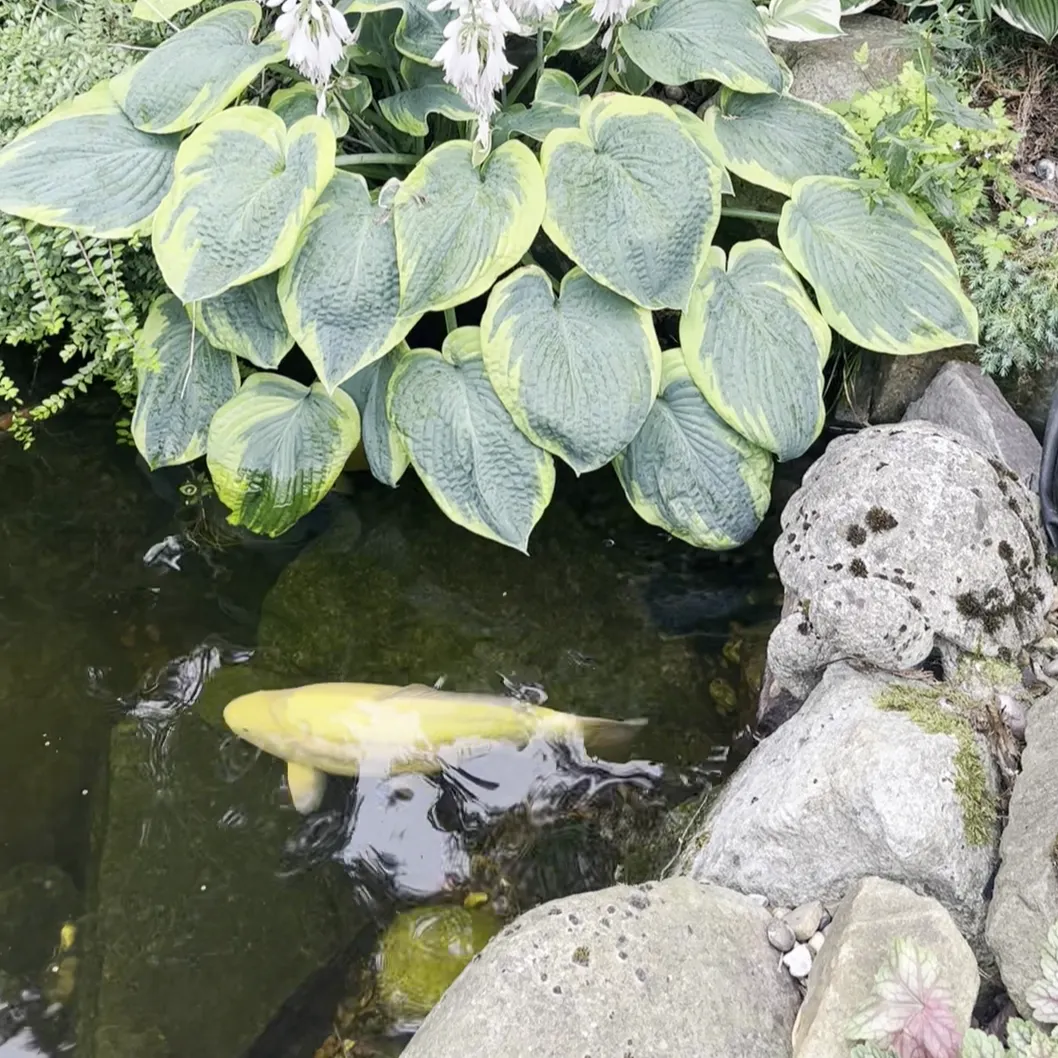
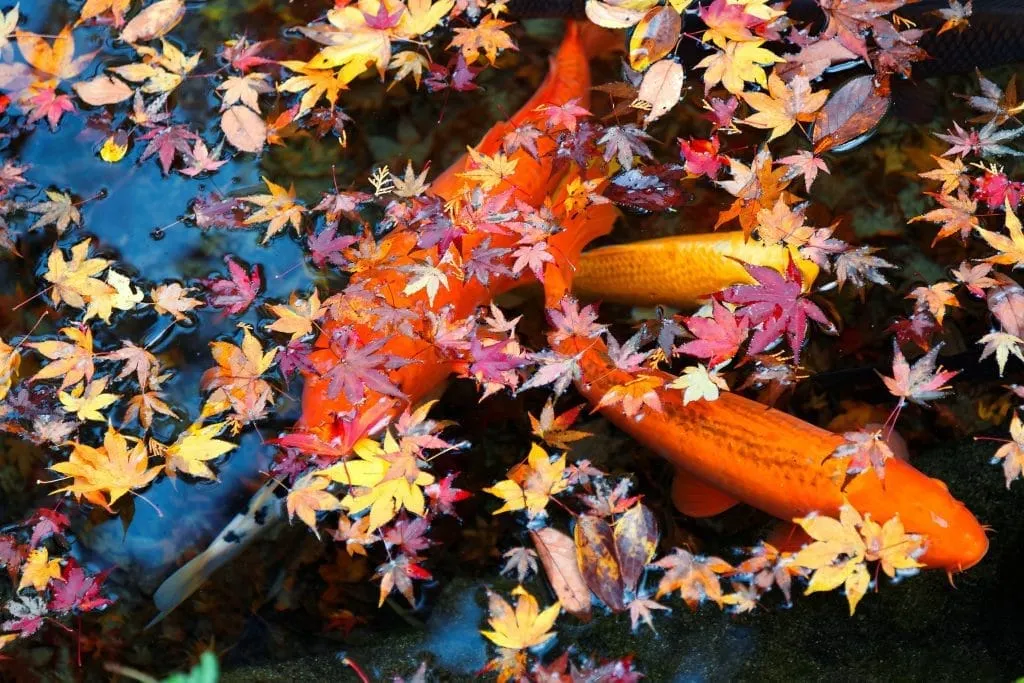
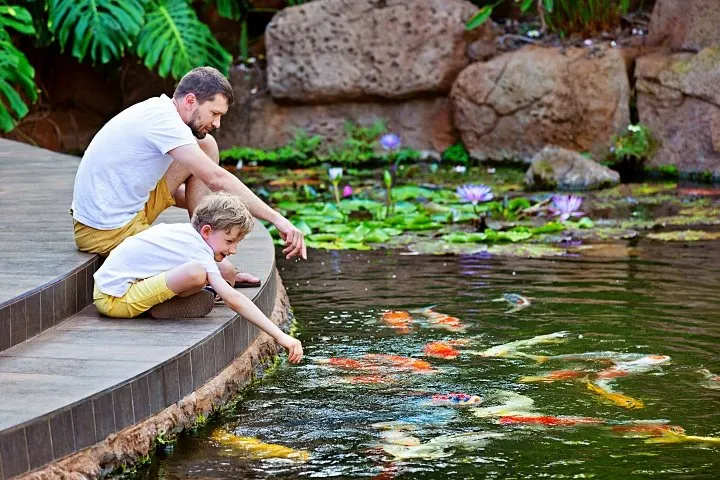
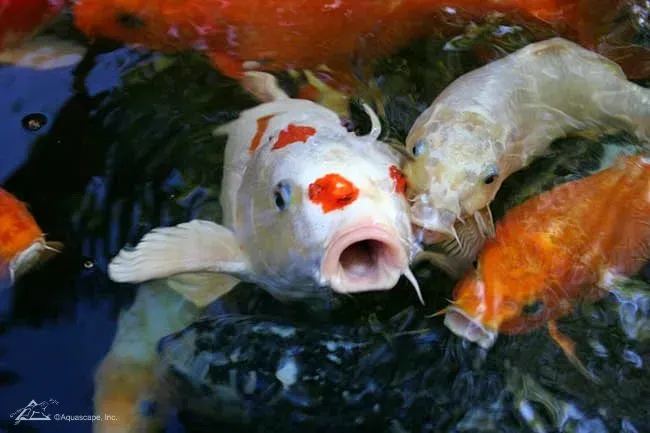
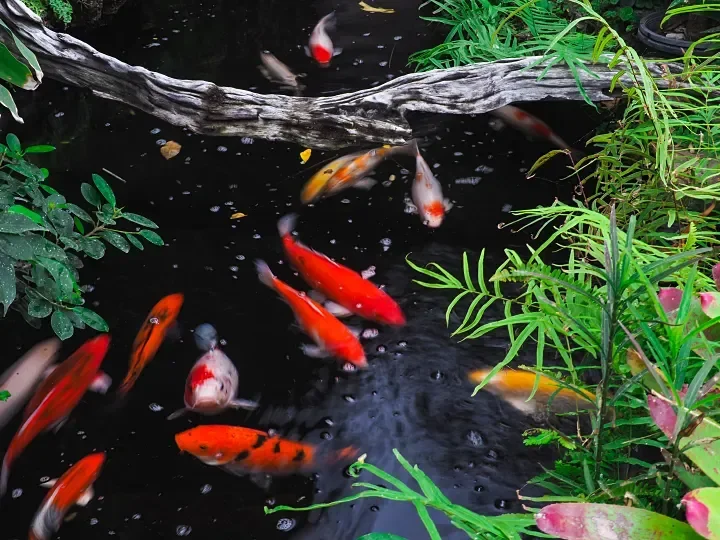
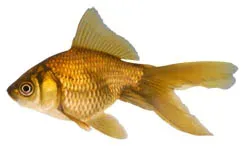
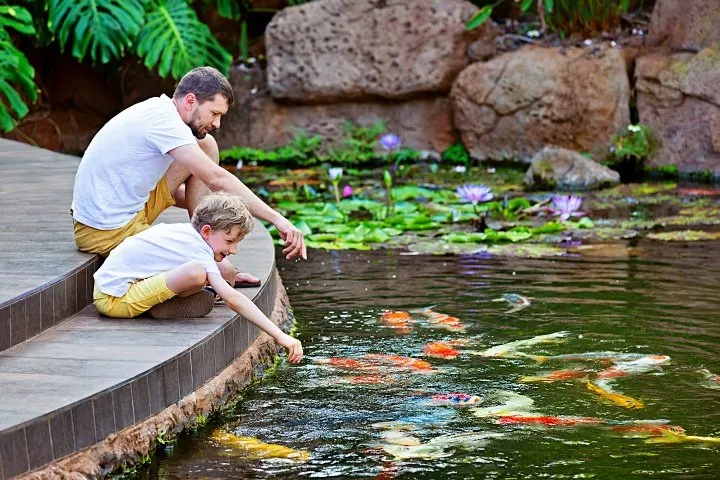
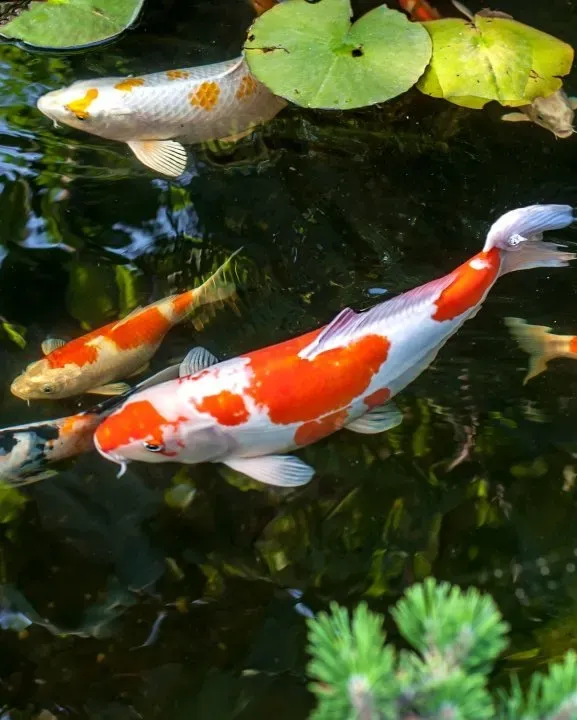
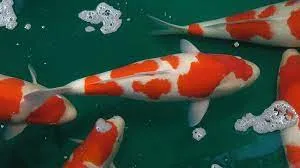
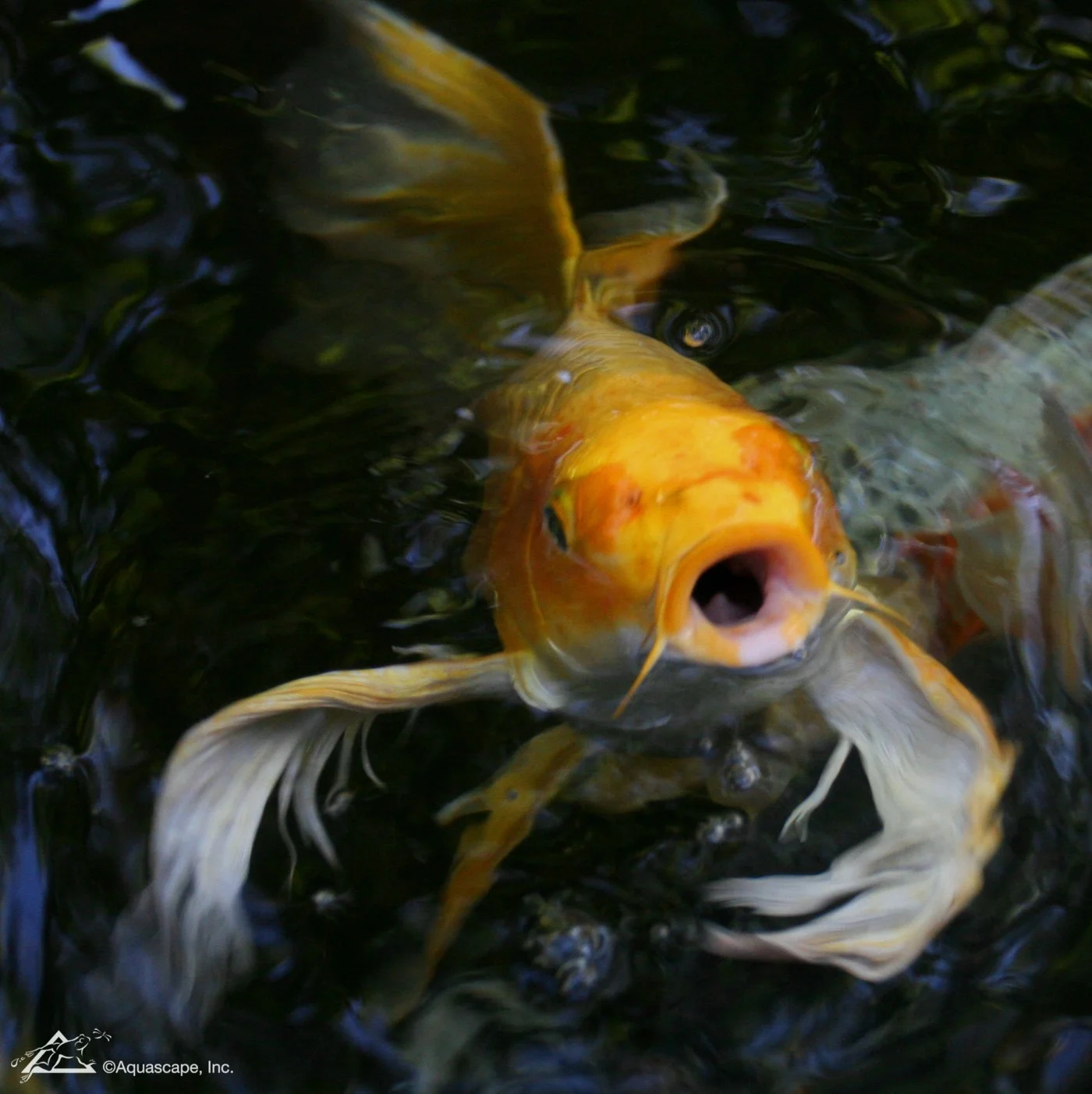
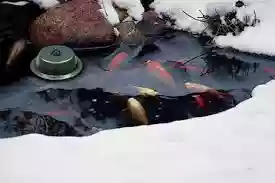
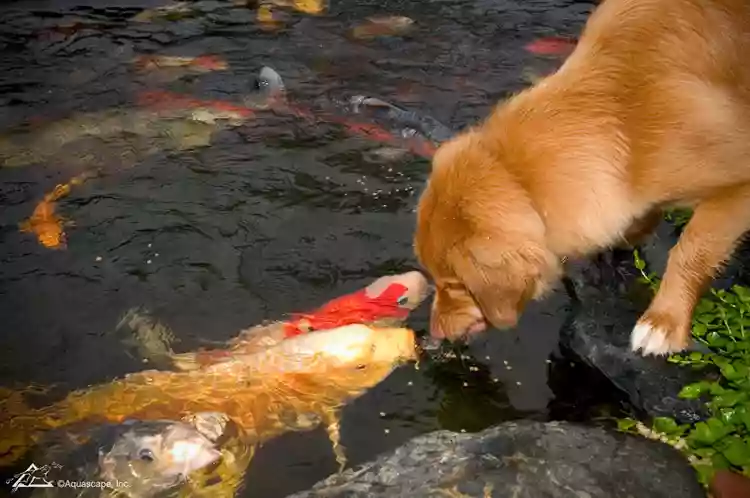
Fish fulfil their role in the ecosystem by eating algae. Presuming they’re not overfed, koi will graze on the algae, effectively reducing its growth. Like plants, a variety of pond fish are available for you to introduce to your pond. Large, colourful koi to gold fish and beyond! Fish are a delightful addition to any size water garden.

Rocks and Gravel

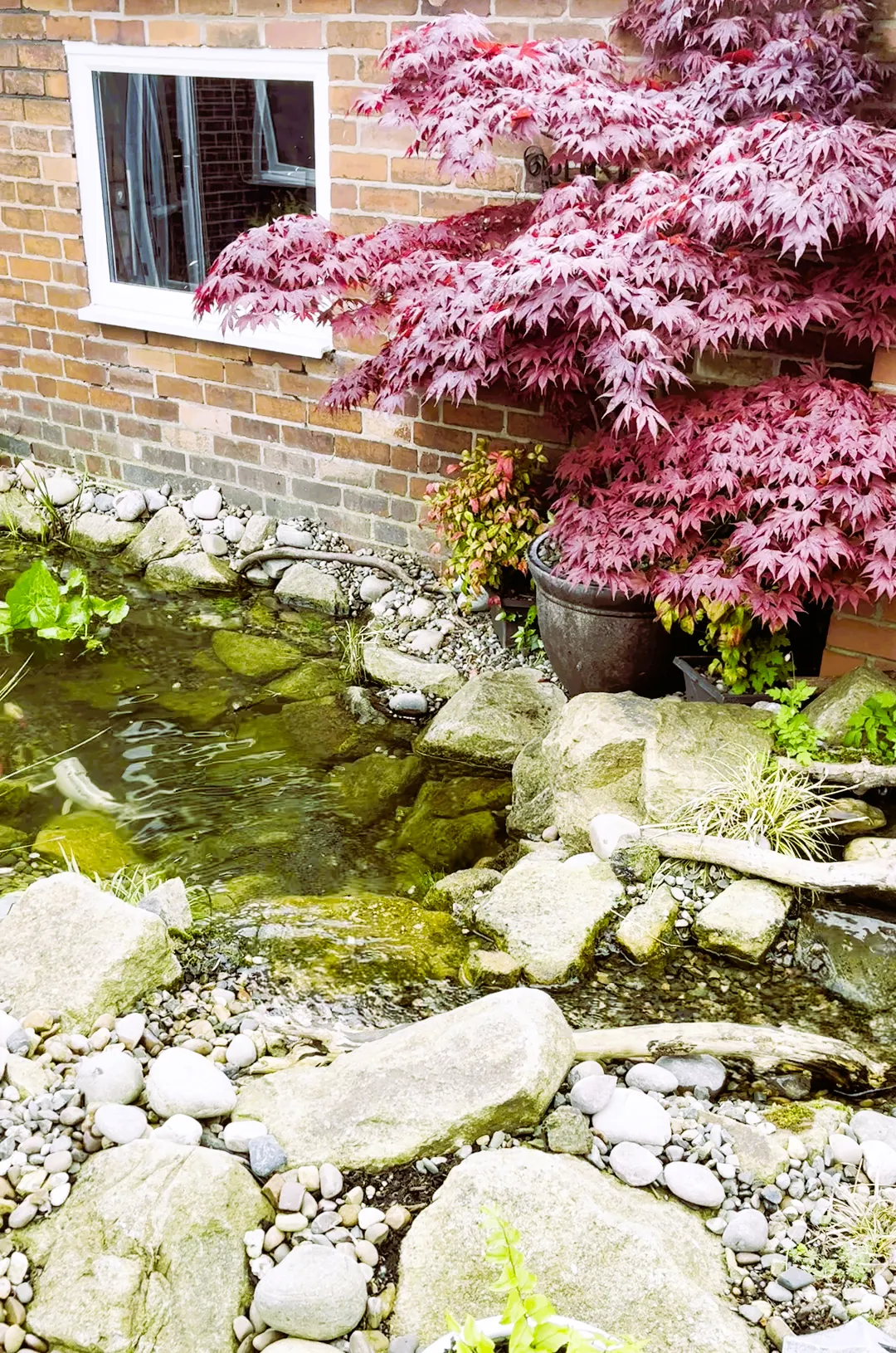
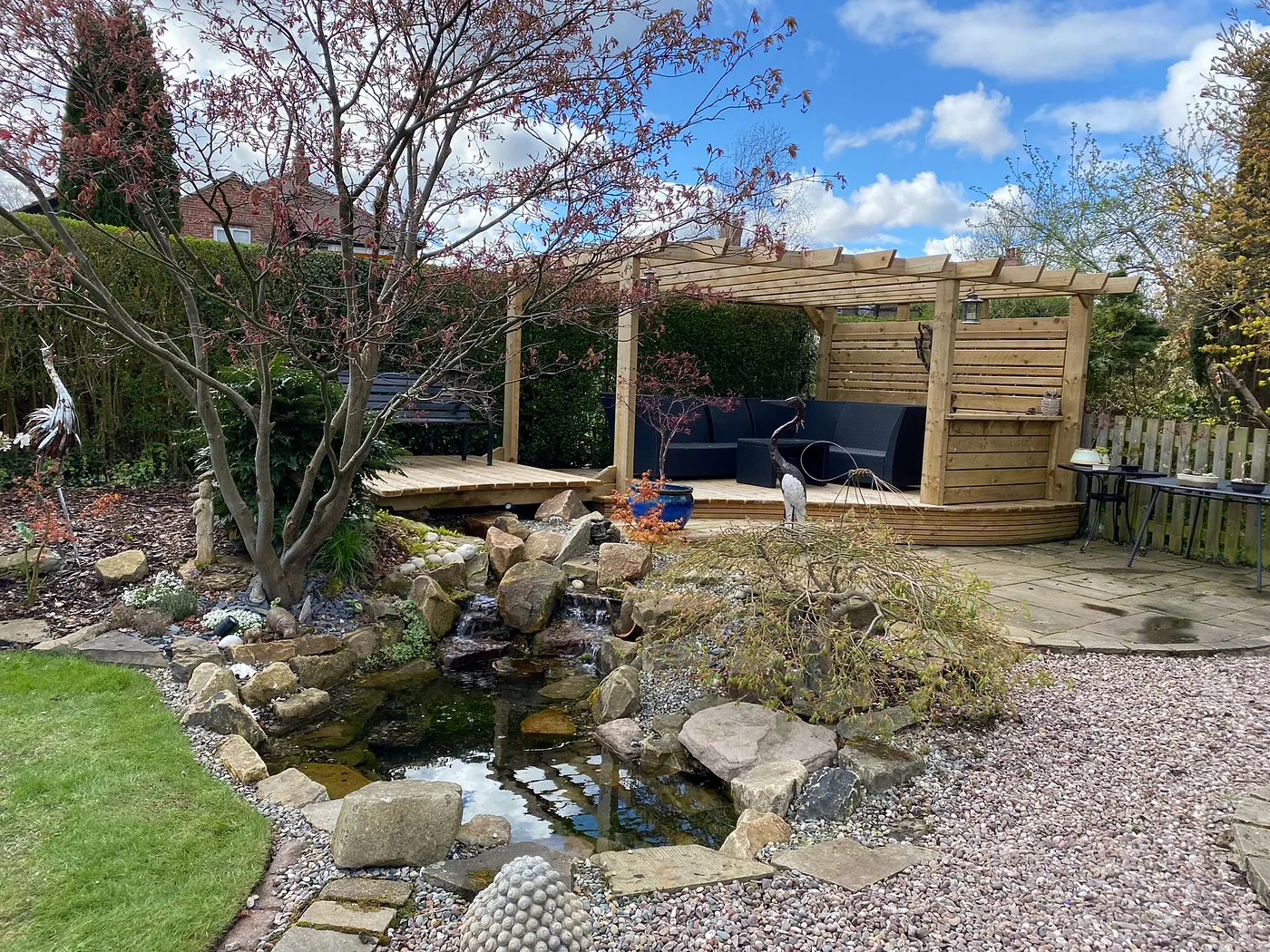
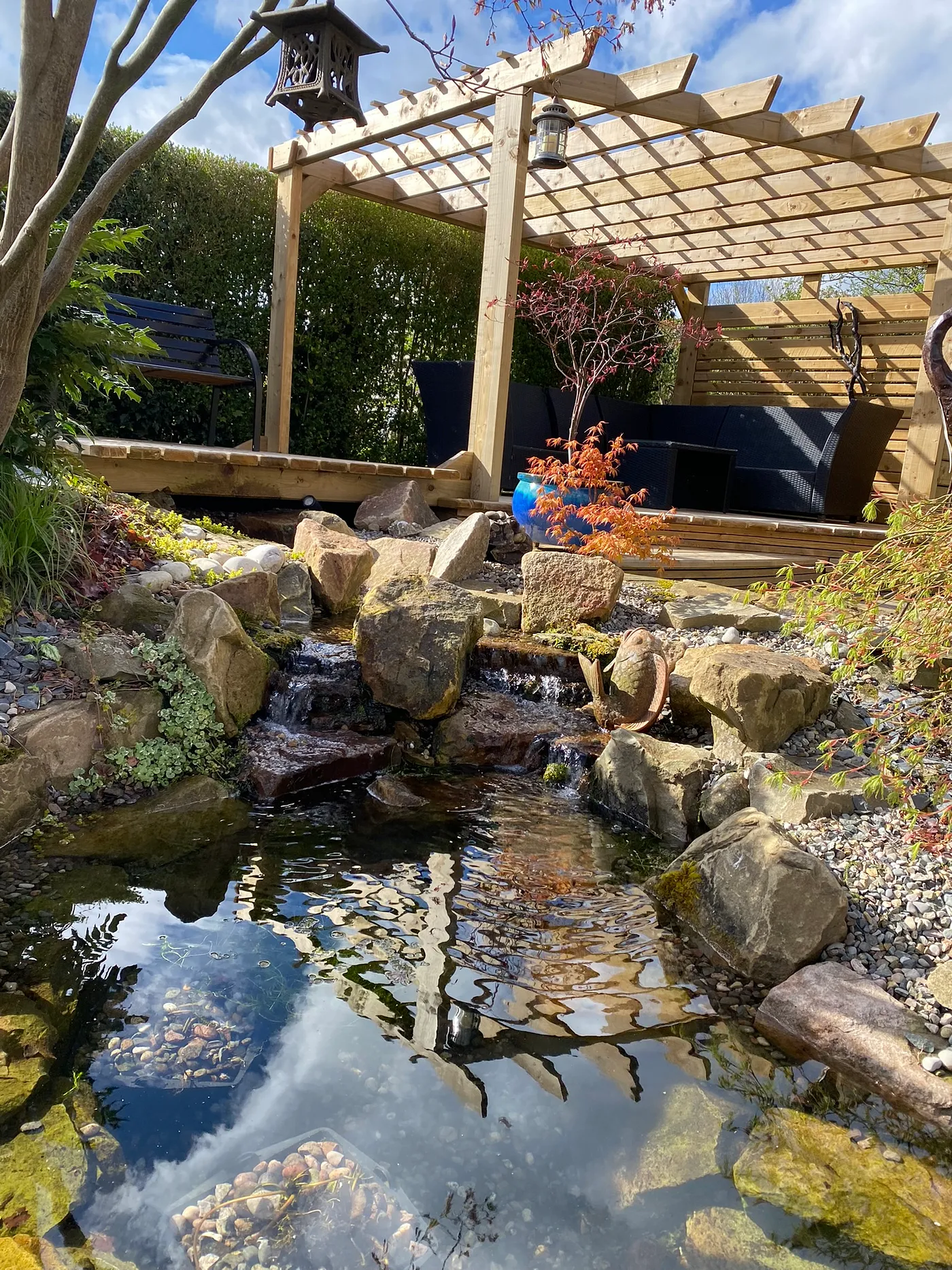
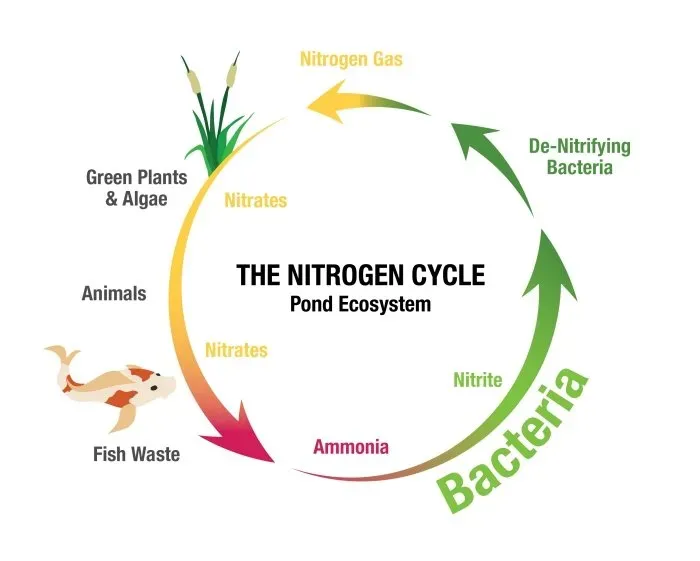
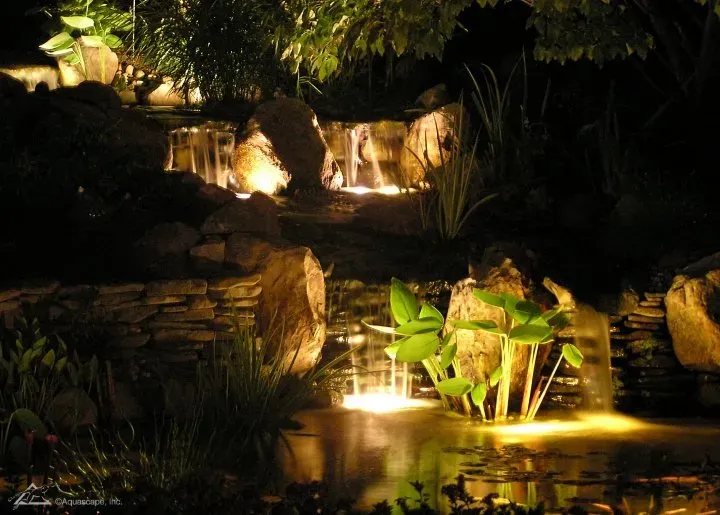
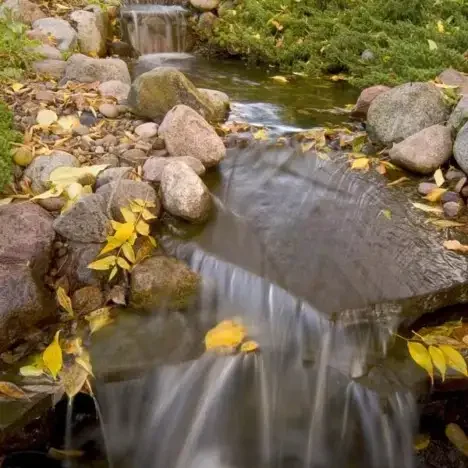
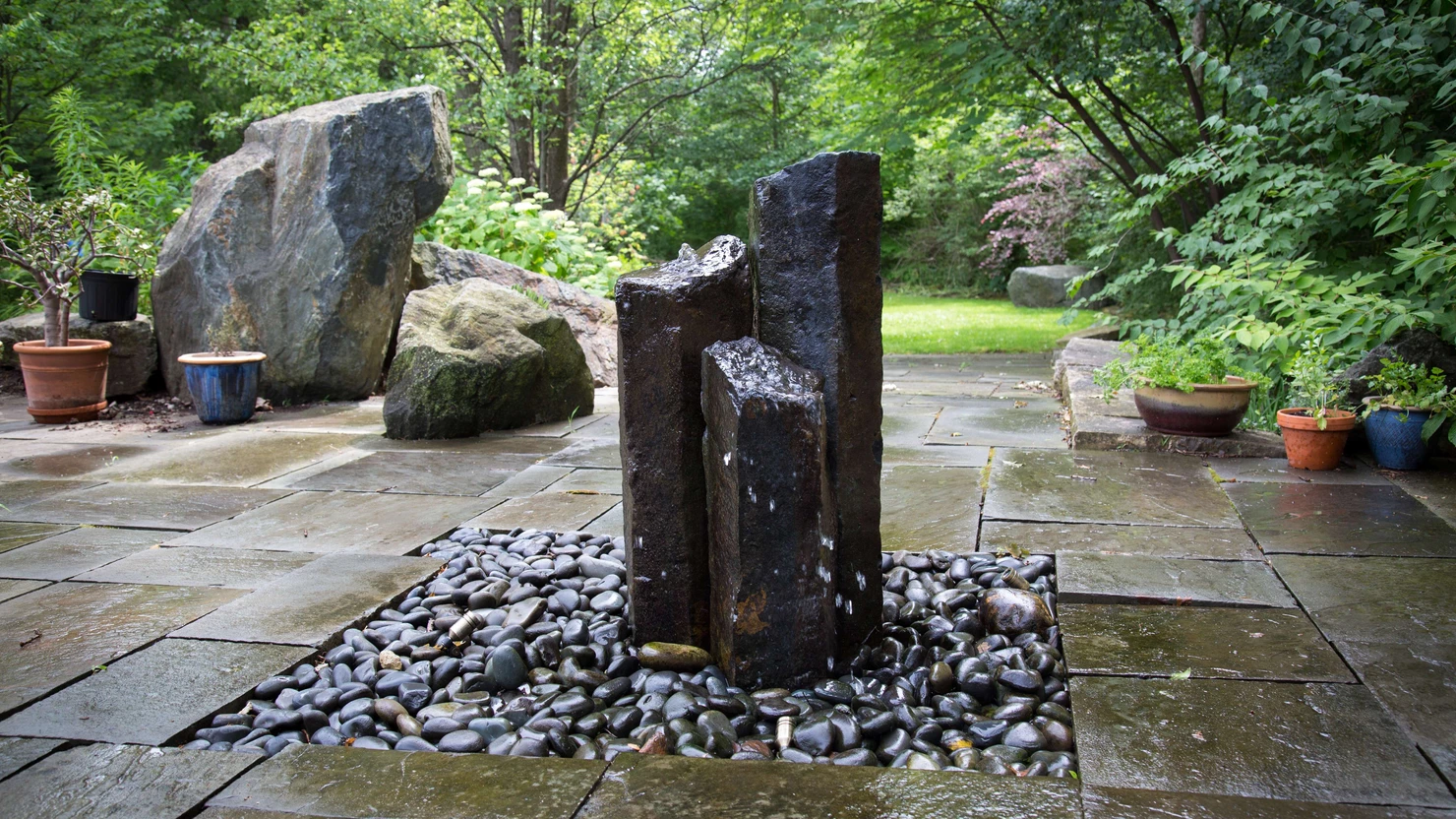
Like aquatic plants, the bacteria that live on the rocks and gravel in the pond feed on excess nutrients in the water, reducing the algae by starving it even further. The rocks and gravel not only hide the liner and create a natural-looking setting, but also provide a home for beneficial bacteria. Plant debris, fish waste, decaying organic matter, excess nutrients, or anything else that falls to the bottom of the pond will rest on top of the rocks and gravel. The bacteria living on the rocks and gravel will then go to work, breaking down the waste and debris, cleaning and clearing the water. Mother Nature’s circle of life is amazing, don’t you agree?

Finally … Patience!

It takes between two and six weeks for the bacteria to colonize and actually begin to do their job. Creating a balanced ecosystem does not happen overnight! Like fine wine, ponds mature with age, so do not be surprised or concerned if a new pond begins to grow some algae. Once the plants, fish, and bacteria are established, the algae will decrease, as will the amount of maintenance on the pond.
The 5 steps of a balanced ecosystem pond

Articles

How to Look After Your Pond During a Heatwave

How to Look After Your Pond During a Heatwave

Traditional Koi Ponds vs Ecosystem Koi Ponds — What’s the Difference?

Traditional Koi Ponds vs Ecosystem Koi Ponds — What’s the Difference?

Spring Pond Maintenance in Manchester: A Complete Guide

Spring Pond Maintenance in Manchester: A Complete Guide

Winter Pond Care: How to Protect Your Pond & Fish in Freezing Weather

Winter Pond Care: How to Protect Your Pond & Fish in Freezing Weather

Brighten Your Pond This Autumn: Aquascape Lighting Ideas for Shorter Days

Brighten Your Pond This Autumn: Aquascape Lighting Ideas for Shorter Days

Keep Your Pond Healthy This Autumn with Aquascape Cold Water Beneficial Bacteria

Keep Your Pond Healthy This Autumn with Aquascape Cold Water Beneficial Bacteria

End of Summer → Pre-Autumn Pond & Water Feature Maintenance

End of Summer → Pre-Autumn Pond & Water Feature Maintenance

The Complete Guide to Pond and Water Feature Treatments Using Aquascape Products

The Complete Guide to Pond and Water Feature Treatments Using Aquascape Products

Why a Pond is the Best Feature You Can Add to Your Garden This Summer

Why a Pond is the Best Feature You Can Add to Your Garden This Summer

Aquatic Plants for small wildlife Ponds

Aquatic Plants for small wildlife Ponds

Preparing Your Ecosystem Pond for Summer

Preparing Your Ecosystem Pond for Summer

Spring is Here: Essential Pond & Water Feature Maintenance Tips

Spring is Here: Essential Pond & Water Feature Maintenance Tips

The Power of Wetland Filtration: A Natural Solution for Clear, Healthy Ponds

The Power of Wetland Filtration: A Natural Solution for Clear, Healthy Ponds

Autumn Pond Maintenance: Tips to Keep Your Water Clear

Autumn Pond Maintenance: Tips to Keep Your Water Clear

10 Tips for Fall Pond Care

10 Tips for Fall Pond Care

Essential Late Summer Pond Care: Tips for a Healthy Ecosystem

Essential Late Summer Pond Care: Tips for a Healthy Ecosystem

Chagoi Koi — Mr. Personality
Chagoi Koi — Mr. Personality

The Joy of Baby Koi

The Joy of Baby Koi

What You Need To Know About Pond Filtration

What You Need To Know About Pond Filtration

Fun Facts You Might Not Know About Koi

Fun Facts You Might Not Know About Koi

Floating Pond Plants: Nature’s Waterborne Wonders

Floating Pond Plants: Nature’s Waterborne Wonders

How to Interpret Fish Body Language: Is It Good or Bad?

How to Interpret Fish Body Language: Is It Good or Bad?

Discover the Colorful World of Pond Fish: Beyond Koi

Discover the Colorful World of Pond Fish: Beyond Koi

7 Tips for Planting Your Pond

7 Tips for Planting Your Pond

The Beauty of Koi: Explore the Stunning Appearance of These Colorful Fish

The Beauty of Koi: Explore the Stunning Appearance of These Colorful Fish

Why You Need Plants in Your Pond

Why You Need Plants in Your Pond

How to Care for Koi in Spring

How to Care for Koi in Spring

Understanding Your Pond’s Nitrogen Cycle

Understanding Your Pond’s Nitrogen Cycle

Enhance Your Pond with Easy Add-On Features

Enhance Your Pond with Easy Add-On Features

Top Five Tips For Winter Pond Keeping

Top Five Tips For Winter Pond Keeping

Simple Tips For Winter Pond Care

Simple Tips For Winter Pond Care

Feeding pond fish in the summer

Feeding pond fish in the summer

What to consider when having a water feature built

What to consider when having a water feature built

What is an ecosystem pond? And how does it work?

What is an ecosystem pond? And how does it work?

How to Grow Water Lilies

How to Grow Water Lilies

Do fish hibernate in the winter months?

Do fish hibernate in the winter months?

Rainwater Conservation

Rainwater Conservation

Water gardening Jobs to do this Autumn

Water gardening Jobs to do this Autumn

Pond plant care, get ready for winter!

Pond plant care, get ready for winter!

The different types of pond plants

The different types of pond plants

The 5 steps of a balanced ecosystem pond

The 5 steps of a balanced ecosystem pond

Wildlife ponds, how to attract wildlife into your garden

Wildlife ponds, how to attract wildlife into your garden

Can I leave my water feature running over winter?

Can I leave my water feature running over winter?

What should I do with my Pondless Waterfall in the winter?

What should I do with my Pondless Waterfall in the winter?

Request a quote
Call Now