Understanding Your Pond’s Nitrogen Cycle
If you are considering a full natural build, our ecosystem pond service covers design, installation, and long-term performance.
You’ve got a pond and you know it’s important to include a good balance of aquatic plants and fish in your water garden. You also know some basic maintenance is important too, like removing decaying leaves in the fall or cleaning the pond in the spring. But you may not fully understand why these things are important to maintain water quality and clarity.
Fortunately, you don’t need a degree in environmental science to understand the cycle of nature that can influence the health of your pond.
The nitrogen cycle might be one of the most important cycles on earth because it’s the building block of all organic life forms. This is an important cycle to know and understand because it can help answer a lot of unanswered questions you might have regarding fish health and the water quality of your pond.
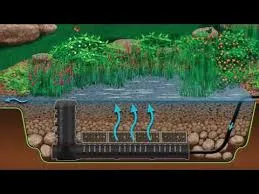
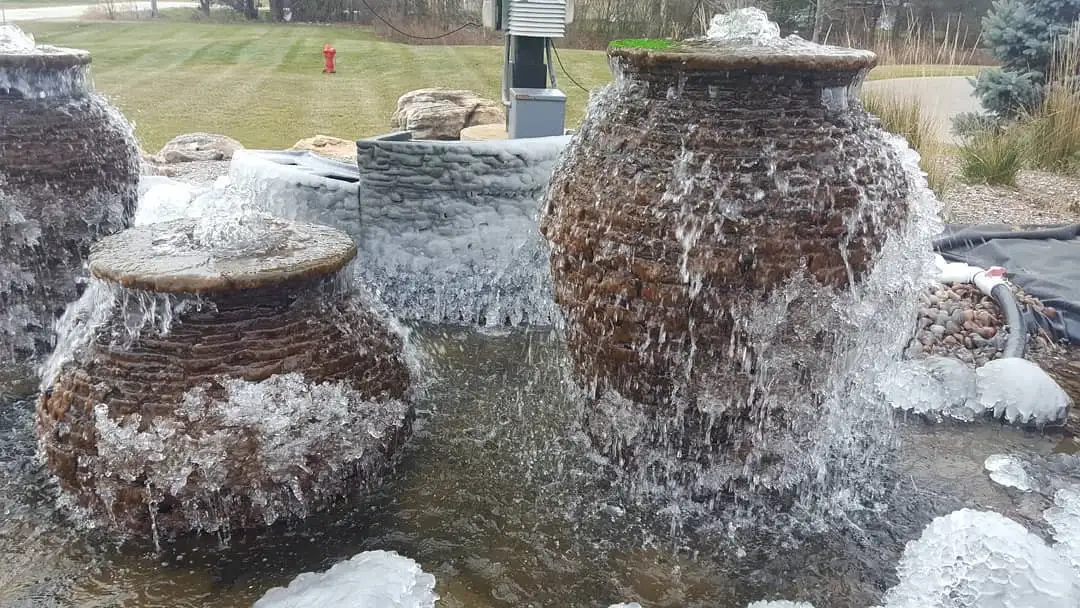
Using Aquascapes Rainwater Harvesting System gives us a sustainable storm water management solution for both commercial and residential applications. The modular design of the Rainwater Harvesting System provides the flexibility to construct a rainwater collection system based on your application’s requirements. The unique integration of a water feature provides filtration as well as enhances the overall landscape design.
The Process
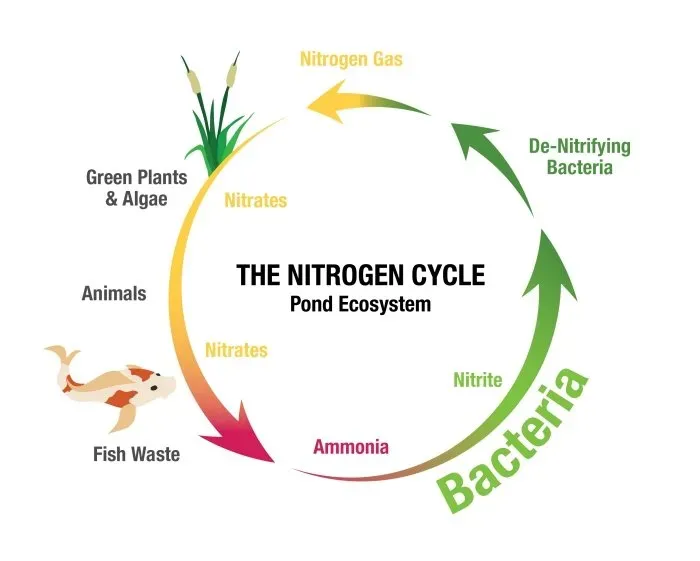
The nitrification process or nitrogen cycle is a biological process that changes ammonia (NH3) to nitrite (NO2), and then to nitrate (NO3). The amazing part of this cycle is it can start at multiple points and has the ability to go backward and forward in the cycle, allowing for a variety of complex biological processes to occur.
Unfortunately, the nitrogen cycle makes most of us scratch our heads, so it’s our goal to help you understand this critical, biological cycle.
Nitrate Producer — The Air, the Rain, the Pond
Basic nitrogen gas (N2) makes up approximately 78 percent of our atmosphere. This form of nitrogen is inert and cannot be used by plants and animals. It makes its way into the pond via the rainwater and takes a great deal of energy to convert it to a form that is usable to plants. Nitrogen gas returns to the atmosphere when it leaves the pond through the evaporation of pond water.
Ammonia Eater — Ammonia Nitrification
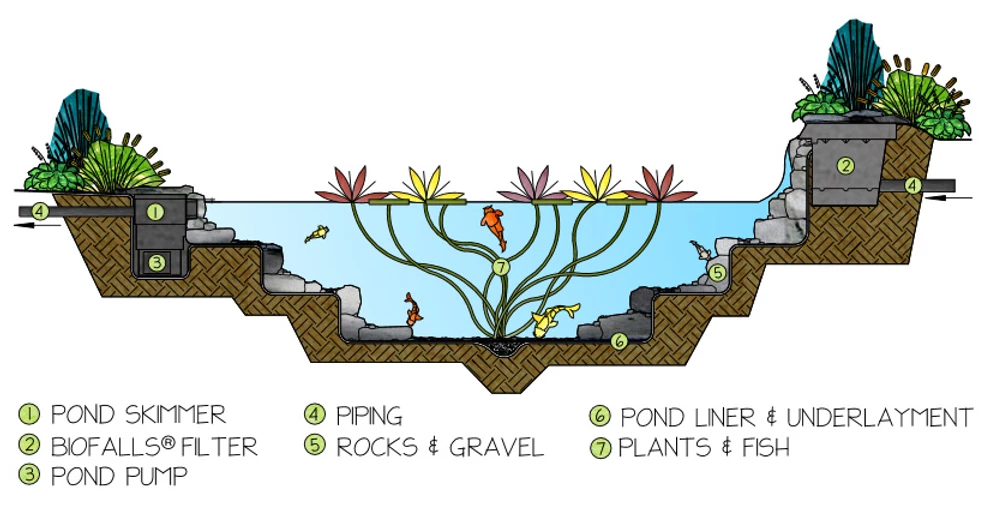
The large amount of surface area both on the surface of the biological filter media, as well as the rocks and gravel inside the pond allows for the colonization of beneficial bacteria that are responsible for the nitrification process, changing ammonia to less toxic forms of nitrite and the usable form of nitrate. Regular addition of beneficial bacteria such as Aquascape Beneficial Bacteria for Ponds helps support the reduction of ammonia.
Nitrate Eater — Aquatic Plants’ Nitrate
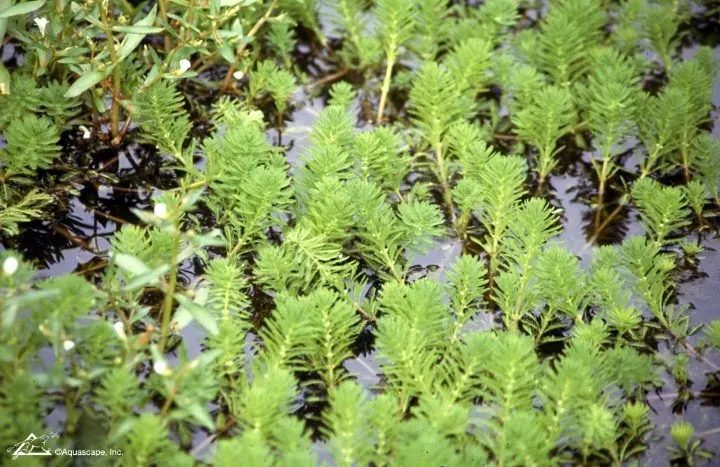
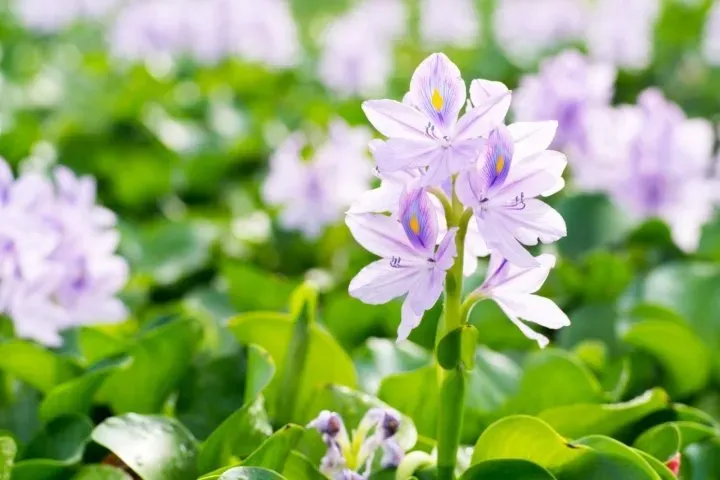
Nitrate is either absorbed by aquatic plants or, in anaerobic conditions; it goes through the process of de-nitrification, which changes the nitrate back to nitrogen gas. Although uncommon in ornamental ponds, nitrate can also be removed by small frequent water changes if unusually high levels are detected in the water.
Nitrate Producer — Rain and Lightning
Nitrates can also be added to your pond by way of atmospheric fixation. This occurs during lightning storms when nitrogen gas is broken up, allowing it to combine with oxygen-forming nitrogen oxide which is dissolved in rainwater. This is why our lawns become so green following a lightning a storm — it not only receives water, but also a burst of nitrate (fertilizer). This is also why ponds can turn murky or have an algae bloom after a storm. If you add some liquid bacteria such as Aquascape Beneficial Bacteria for Ponds immediately after the storm, you can counteract the influx of nutrients.
Ammonia Producer — Fertilizer Runoff
Be conscious of the amount of fertilizer you use around your pond. During a heavy rain or over-irrigation, the fertilizer, which is made of ammonia and phosphorus, could wash into your pond creating an algae bloom, water quality problems, or even killing fish and invertebrates.
Ammonia Producer — Dead Plant and Animal Debris
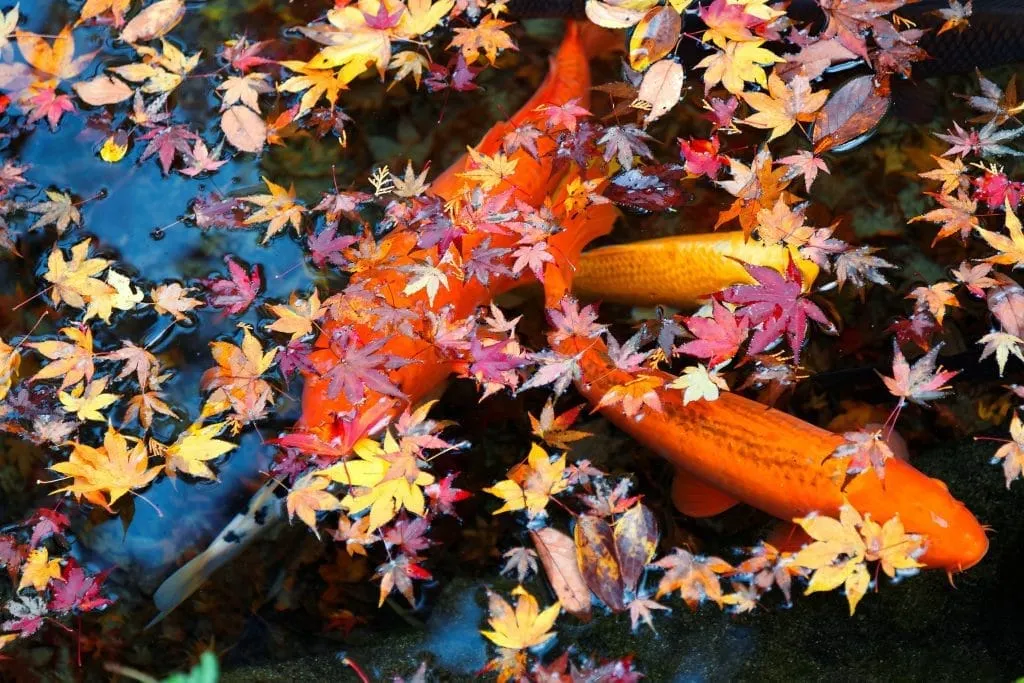
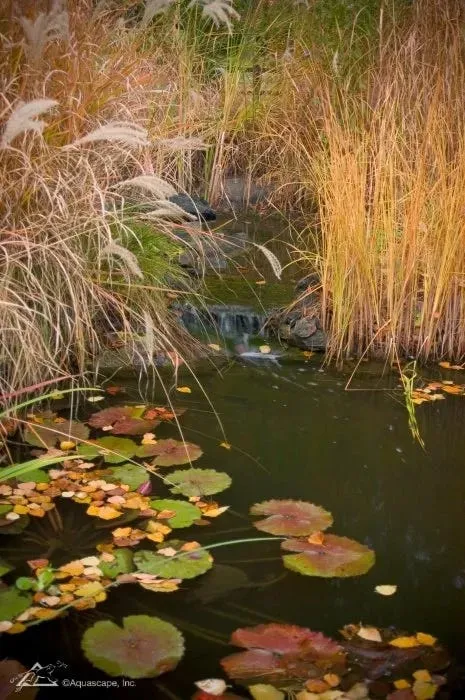
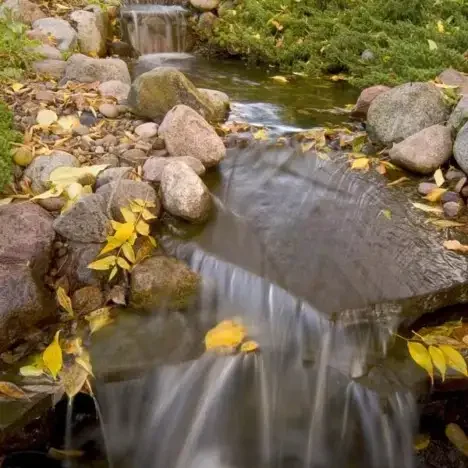
Organic debris like leaves, lawn clippings, and dead fish or insects will break down, forming ammonia as a byproduct, starting the cycle of de-nitrification again. Reduce the amount of plant debris in your pond by using a skimmer filtration system and removing plant leaves and debris before it enters the pond. The use of protective netting helps reduce leaf litter from entering the pond in the fall.
Ammonia Producer — Fish Food and the Resulting Waste
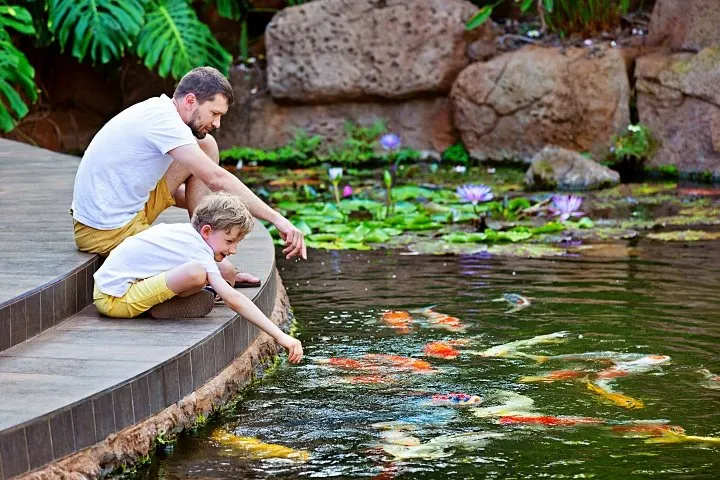
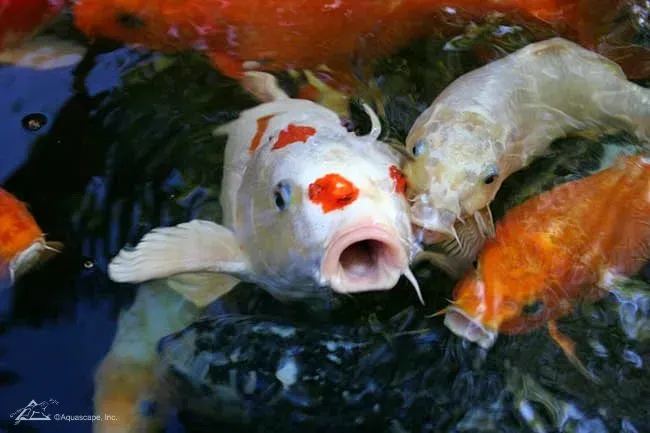
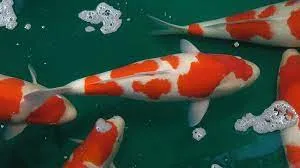
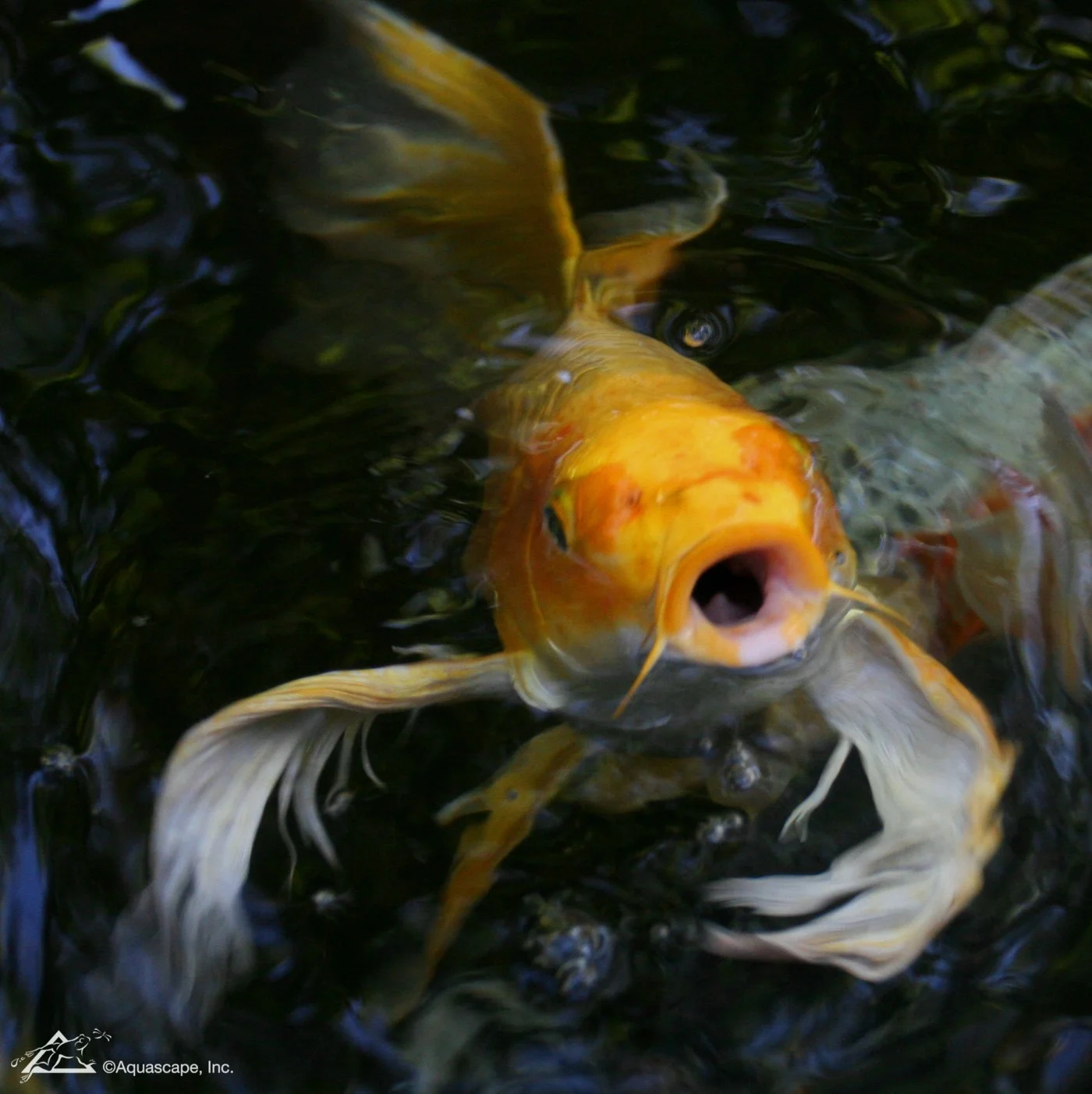
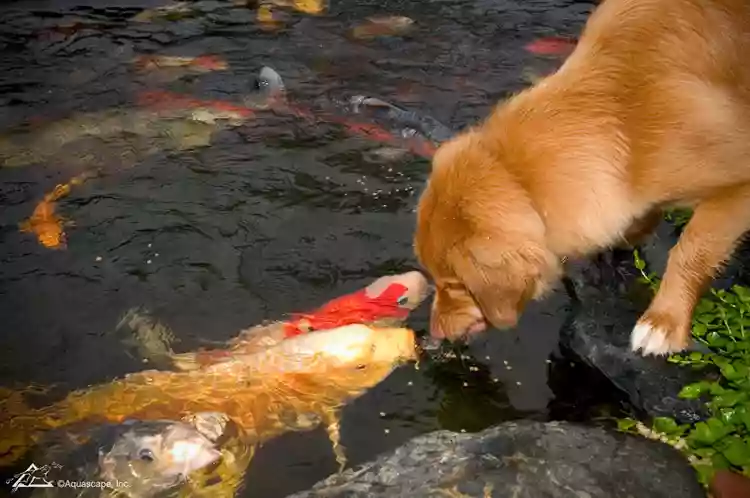
Most of our ponds have fish in them. When the fish are fed, the result is a combination of un-eaten fish food and fish waste. Both contribute to the ammonia level in the pond. Don’t feed your fish more than they can eat in a few minutes. A high-quality fish food is also very important. Aquascape Premium Fish Foods contain probiotics that help fish utilize more food, thereby reducing fish waste and actually help break down waste and other organics found normally in the pond environment.
Ammonia Eater — Oxygen
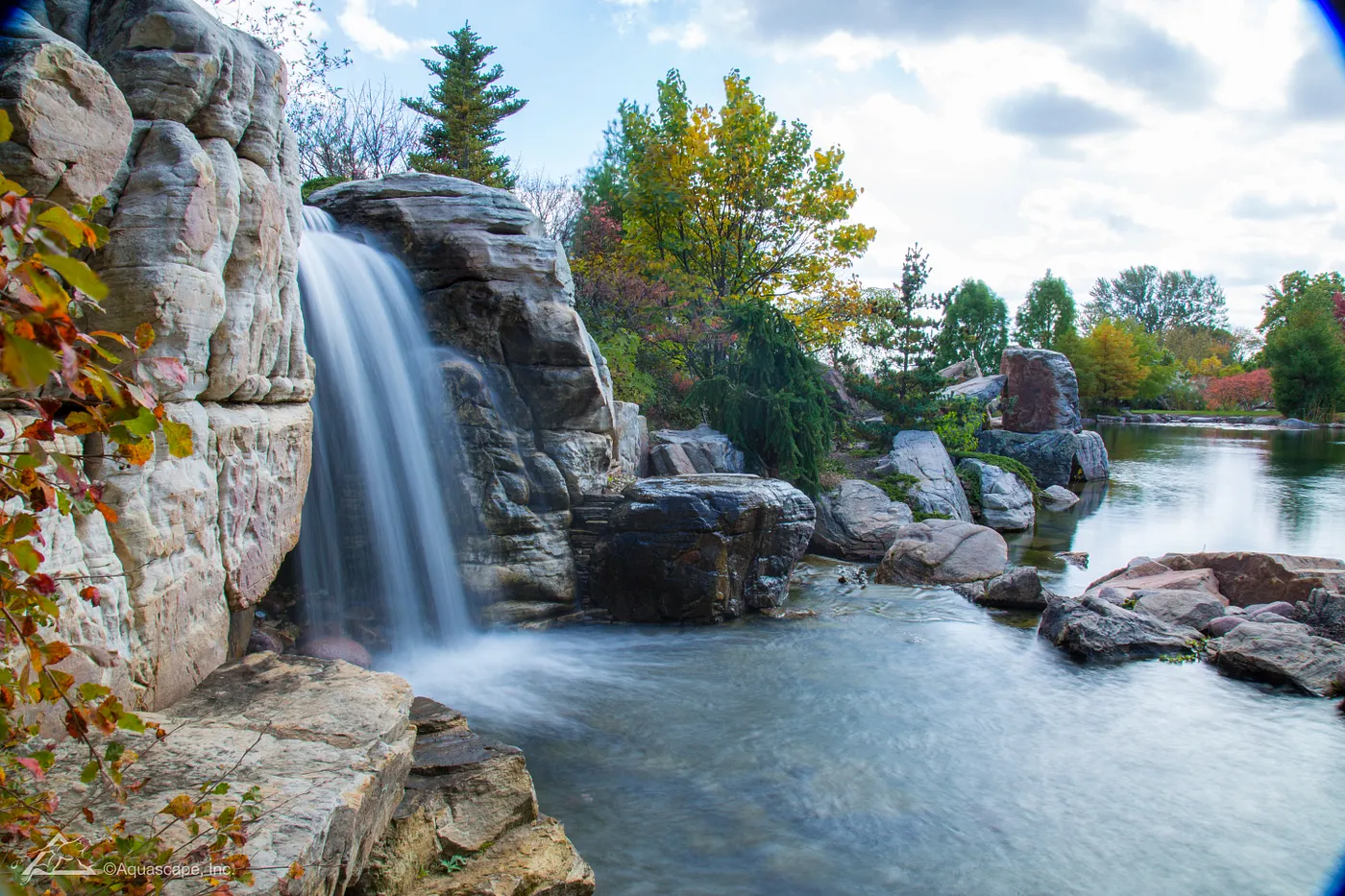
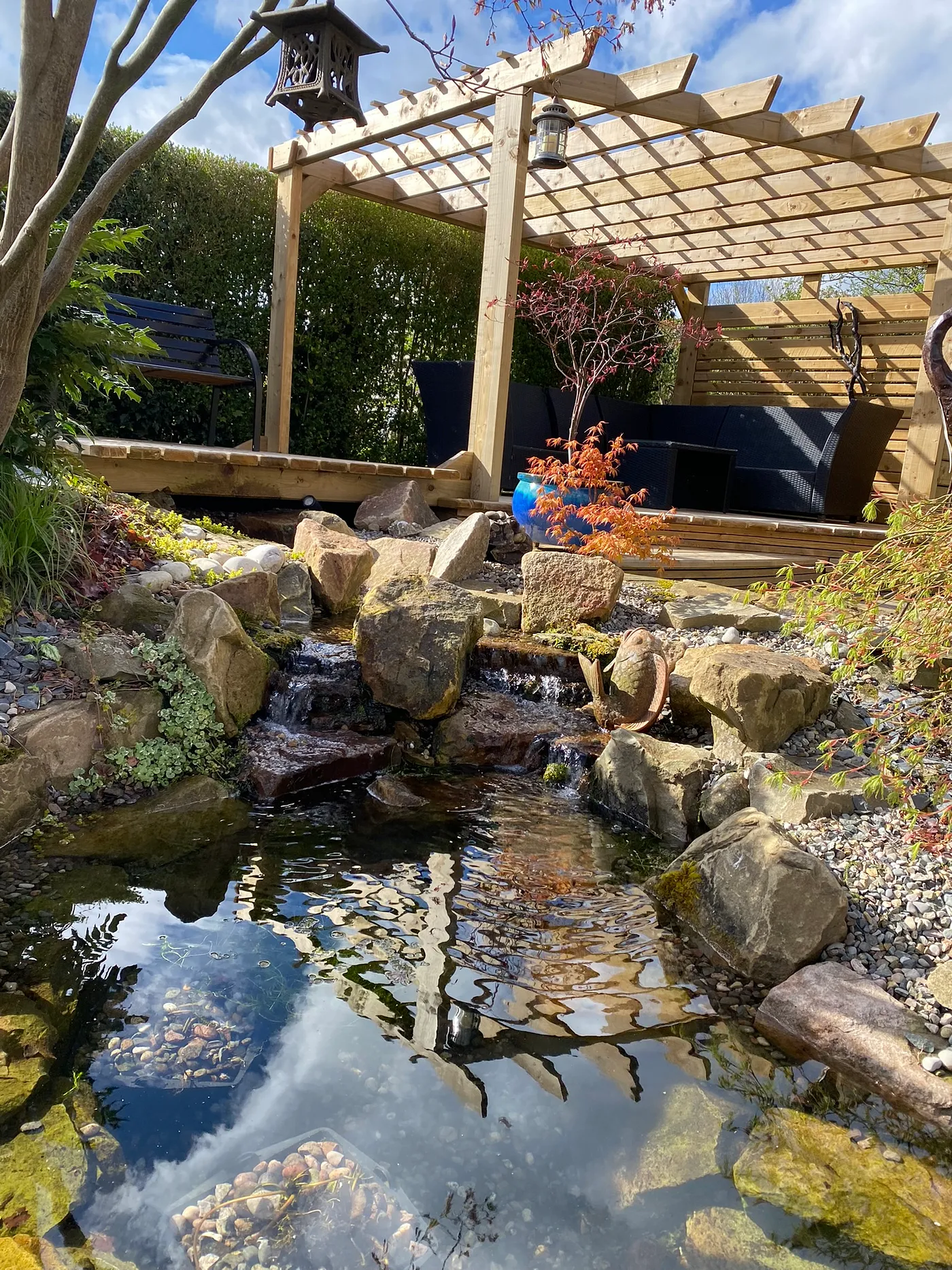
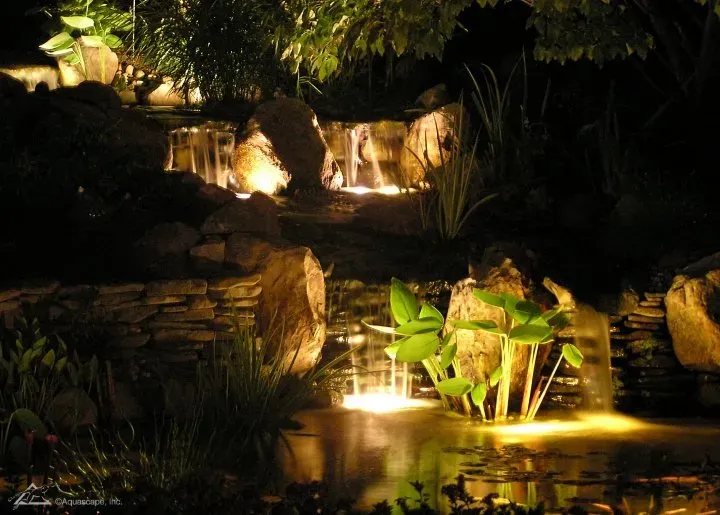
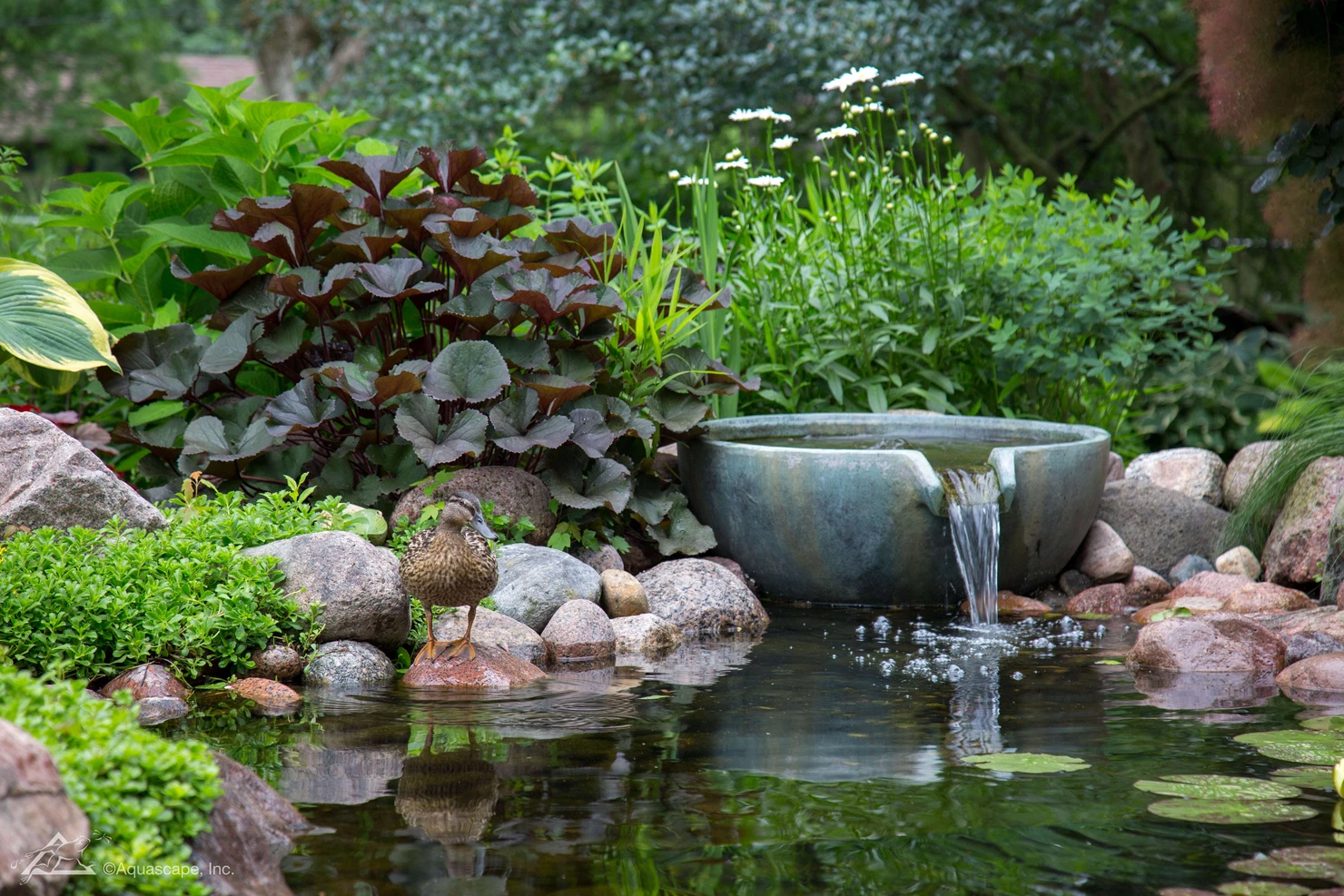
The waterfall in your pond creates oxygen necessary for efficient nitrification. This oxygen is also necessary for the survival of your fish.
As the spring season rolls out across the country, hopefully you can don your new-found knowledge of the nitrogen cycle and feel better equipped to keep your water garden in tip-top shape. Your fish and plants will thank you for it!
For information about our improved IonGen™ System (EPA Registered) and how it can help balance your pond, watch our short video.
for more info visit olympianwatergardens.com/services/eco-system-ponds-manchester