The different types of pond plants

For habitat-led projects with planting and biodiversity in mind, see our wildlife pond design service.

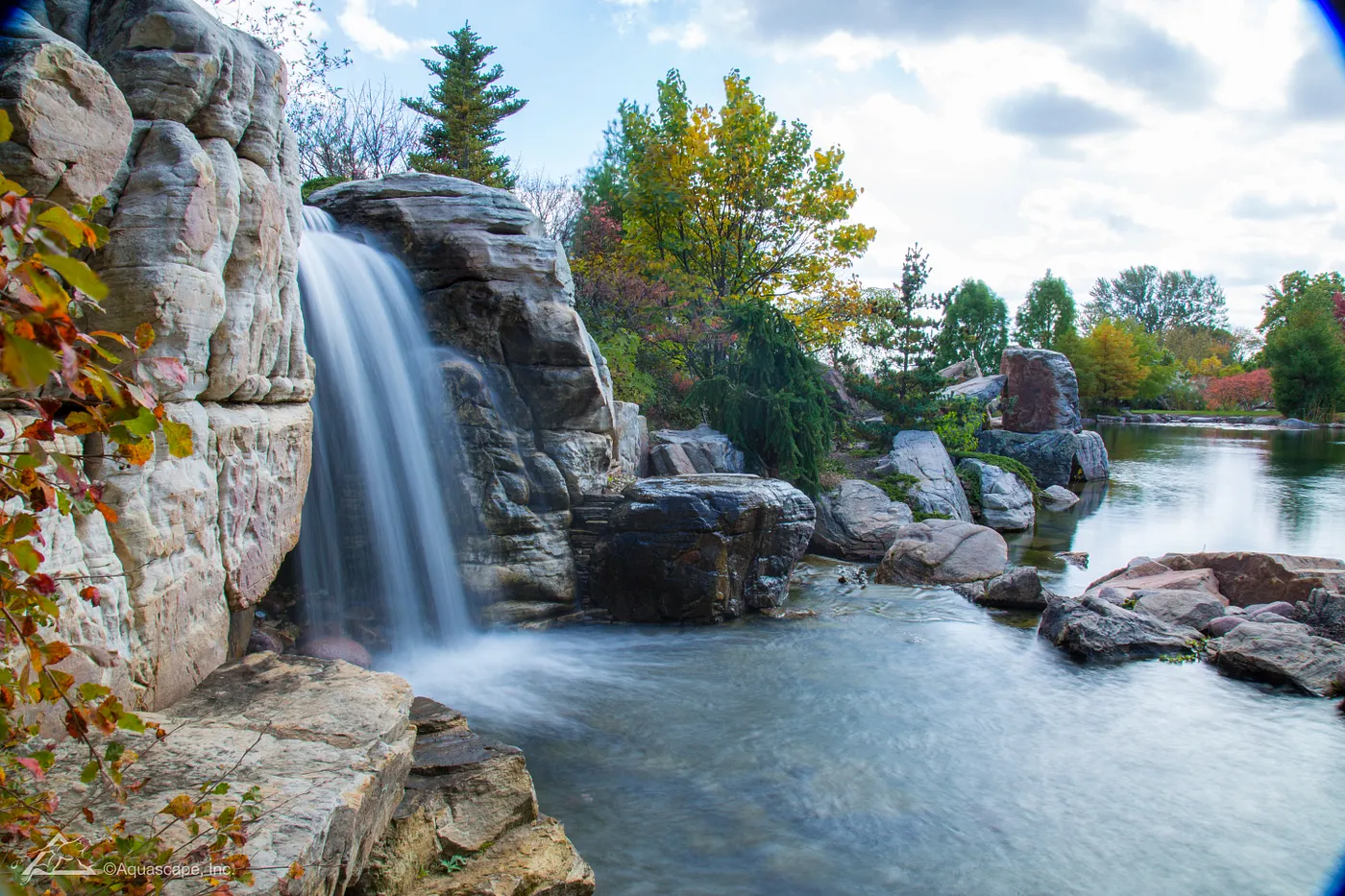
A combination of aquatic plants brings the best visual impact for your water garden

Aquatic plants

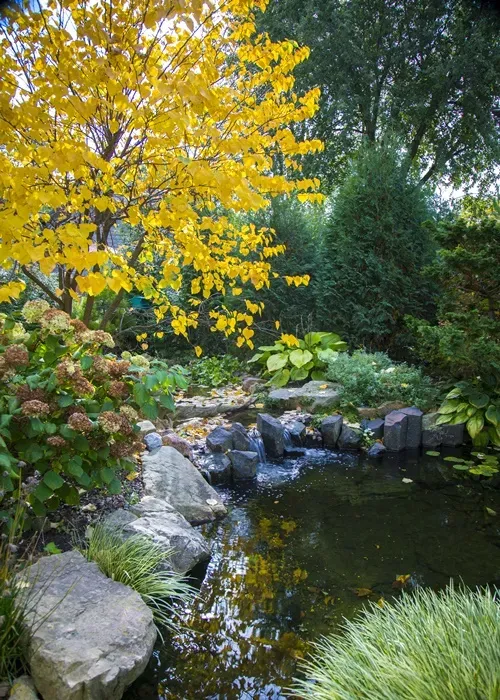
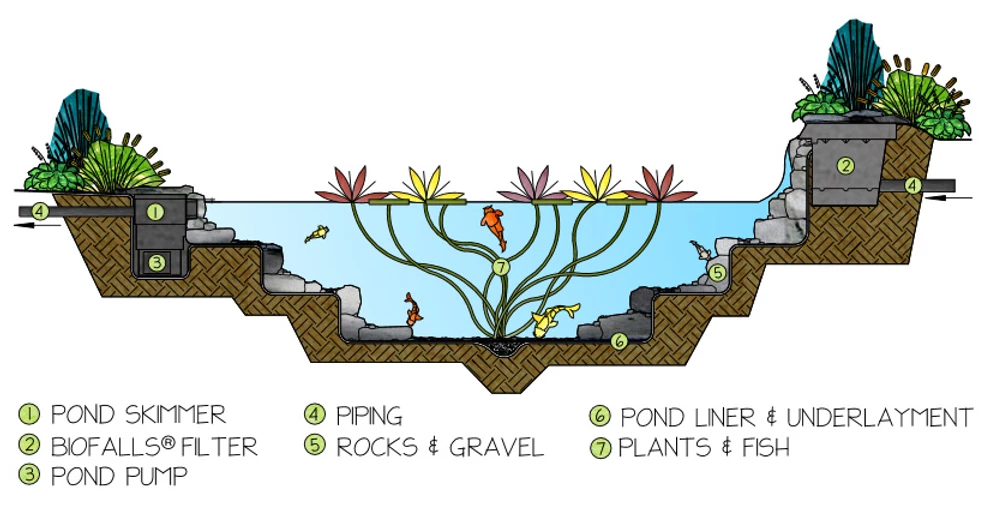
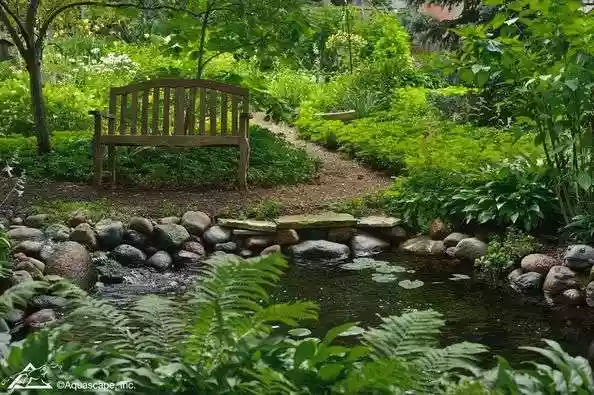
Plants play a significant role in achieving a healthy and balanced ecosystem pond. Even though most people start a water gardening hobby to enjoy the sound of running water, adding an array of aquatic plants is still an important aspect of being a pond owner. They add natural appeal and beauty with a variety of plant offerings.

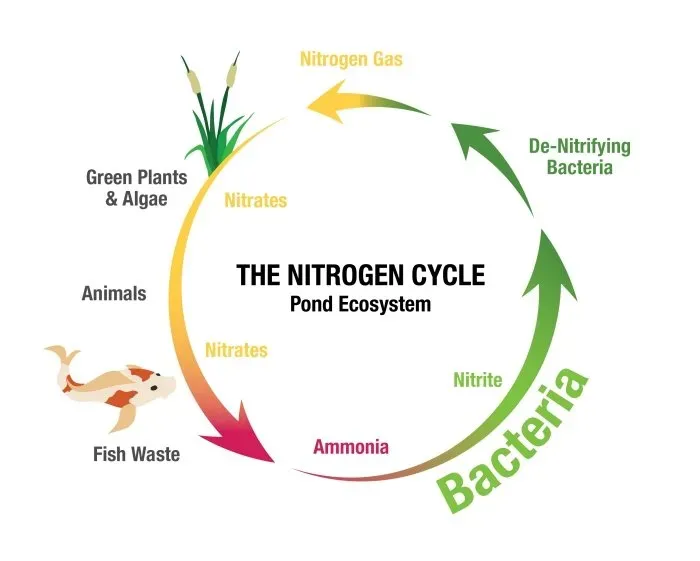
The most important function of aquatic plants is their ability to act as a natural filter by providing essential biological filtration to eliminate nitrogen, ammonia, nitrates and other harmful compounds from pond water. Without these plants, the water clarity of your ecosystem will be compromised by excess nutrients. In the end, adding plants to your water garden reduces maintenance so you can spend more time relaxing with your water feature.
The different types of pond plants

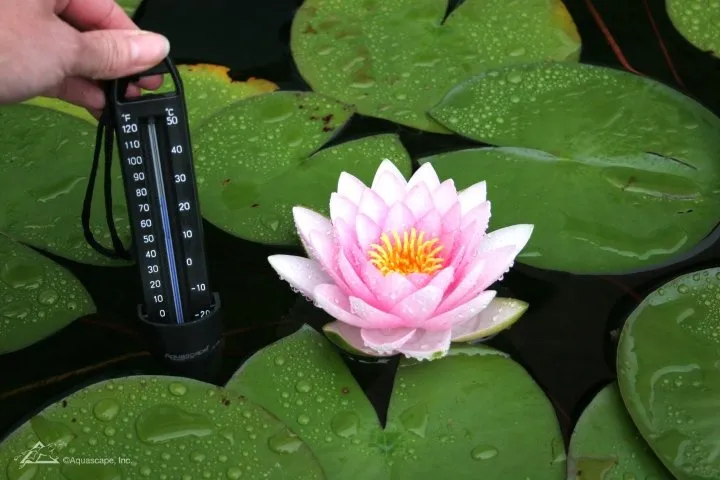
Water Lilies

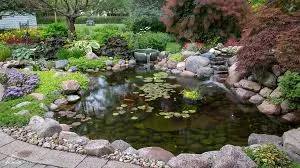
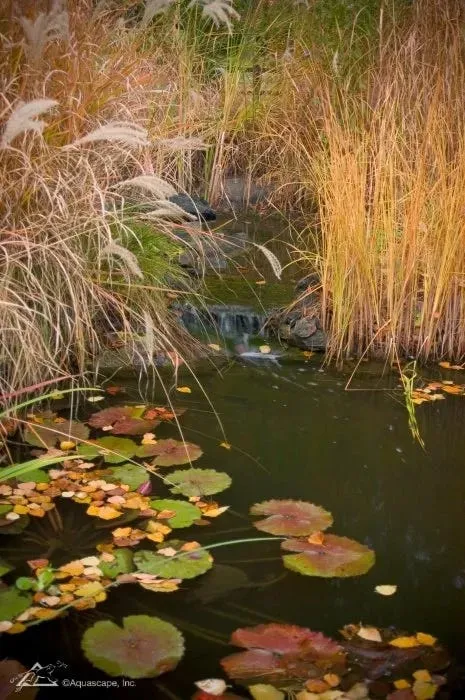
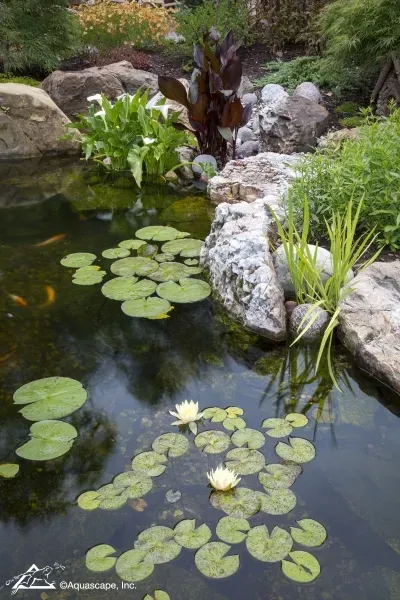
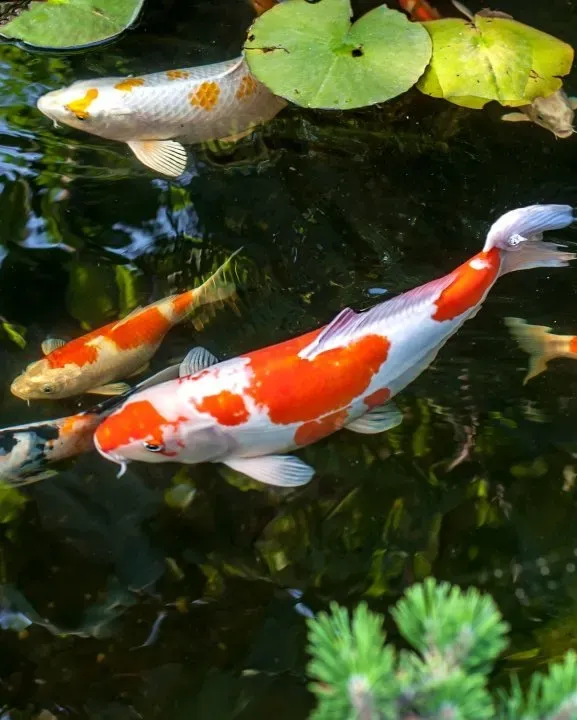
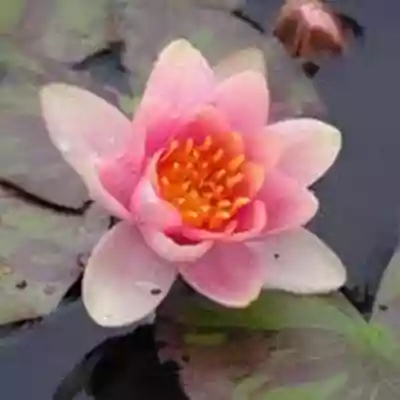
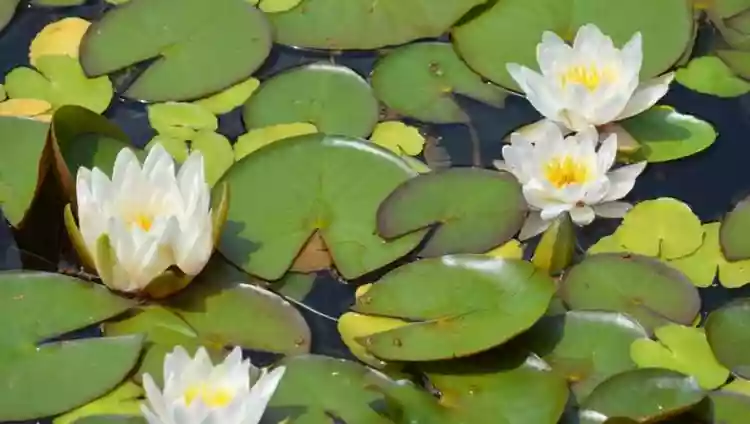
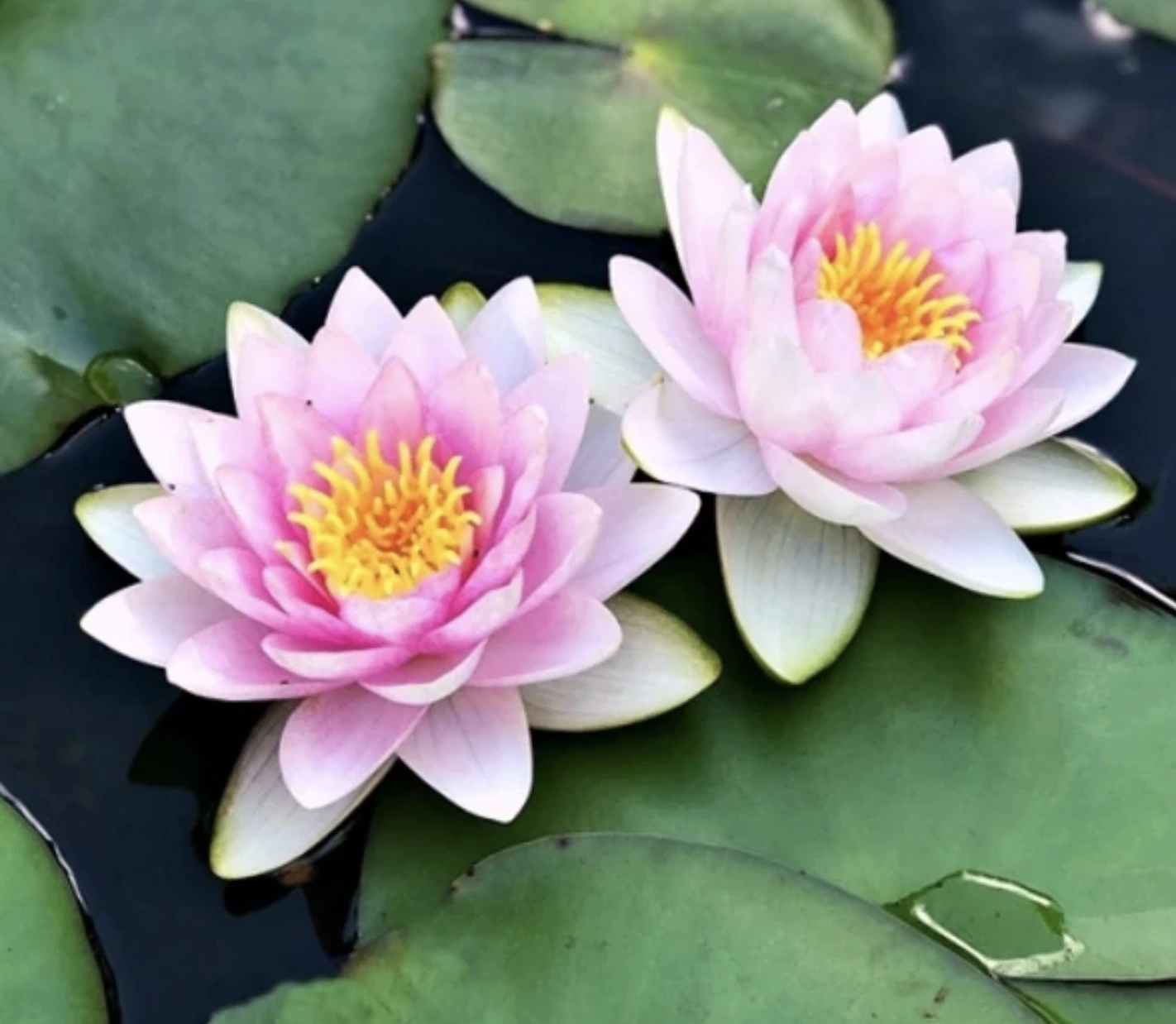
Water lilies often act as the centerpiece for water gardens, making them one of the most popular aquatic plants around. Every water garden should incorporate at least a few beautiful water lilies. Aside from their eye-catching qualities, water lilies also offer protection and shade to keep the pond nice and cool for koi fish. Ideally, thirty to sixty percent of your pond’s surface should be covered with aquatic plants and water lilies are an aesthetic way to accomplish this.

Marginal Plants
The different types of pond plants

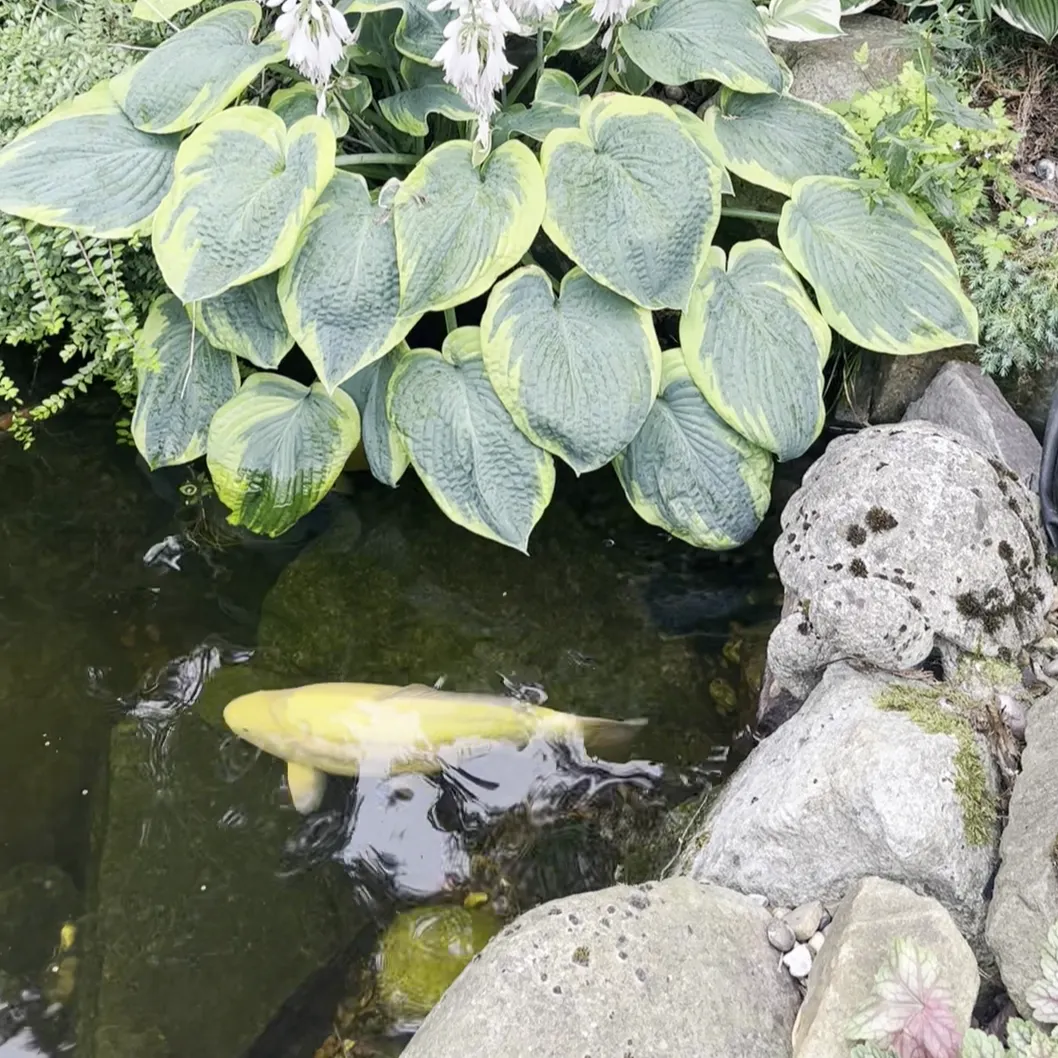
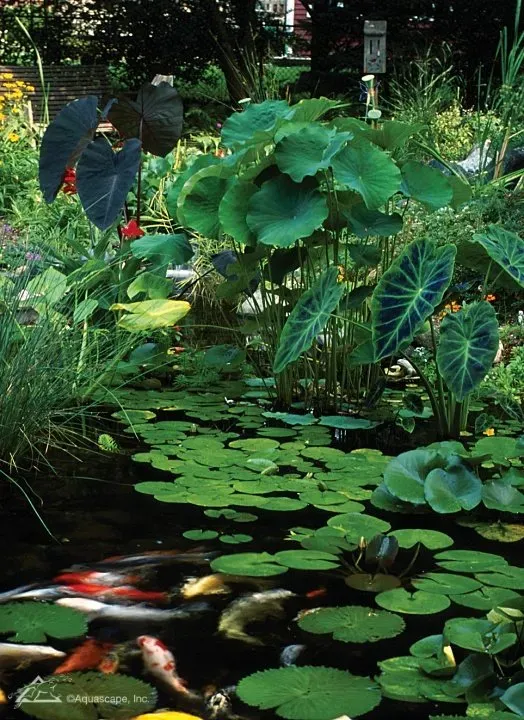
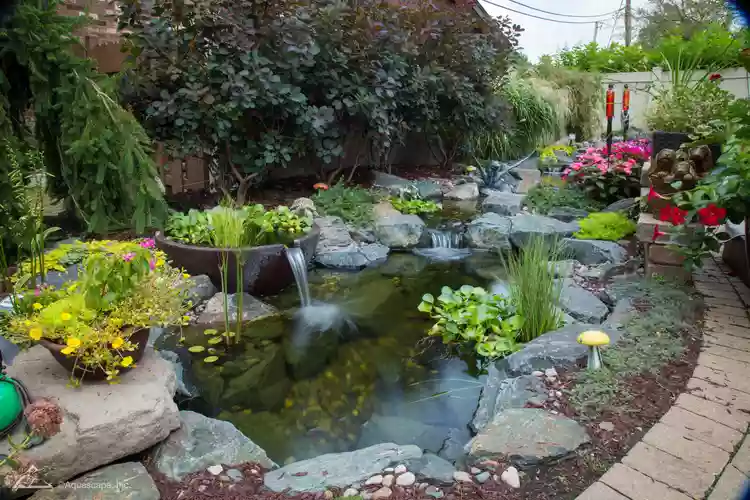
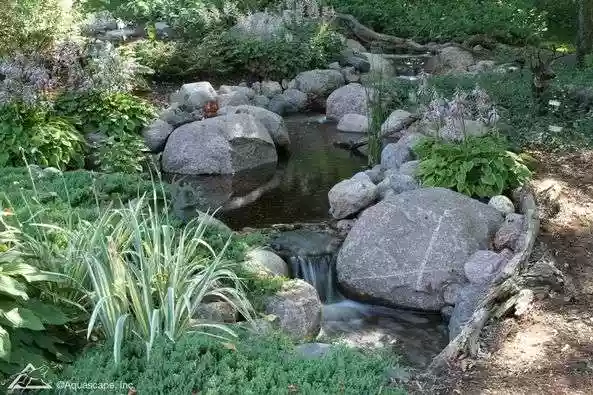
Marginal plants are the largest aquatic plant group they include both hardy and tropical varieties. Like a Daylily or Black-Eyed Susan, most marginals are perennials, meaning they’re durable and return every year. Marginal aquatics provide valuable filtration and beauty for your water garden. Their name stems from the fact that they grow around the edges or “margins” of a pond or lake. Other examples of marginals include creeping jenny, marsh marigold, sweet flag, taro, canna and water iris. They flourish in damp soil or standing water covering the base of the plant from two to six inches.

Floating Plants

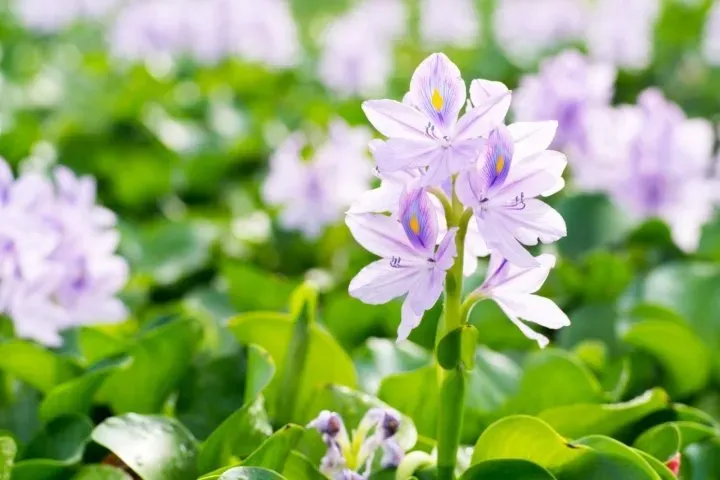
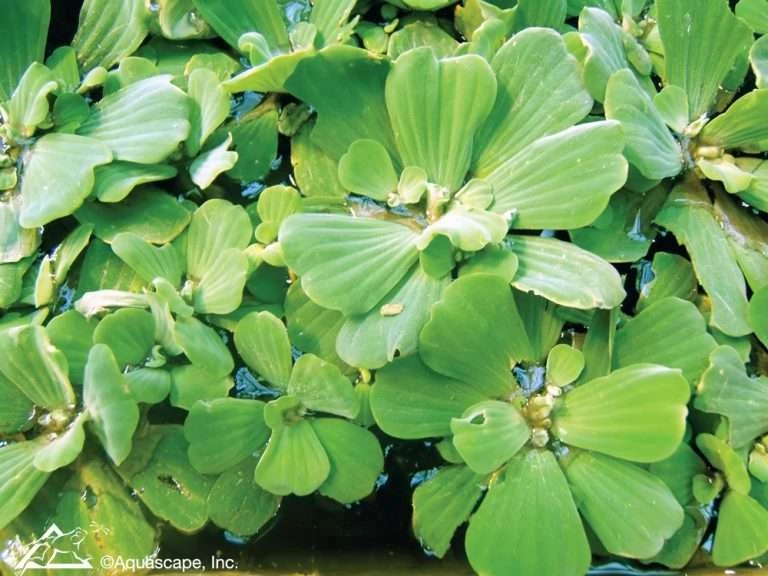
Floating plants, as you might’ve guessed, float on the water’s surface! The dangling roots underneath the plant soak up excess nutrients in the water. Floaters excel as natural filters in your pond because they remove nutrients straight from the water instead of the soil like other aquatic plants. Floating plants like water lettuce and water hyacinth are great choices for covering the surface of your pond.
The different types of pond plants

Submeged Plants

As the name indicates, submerged plants are situated below the water surface, although they do occasionally bloom causing flowers to rise above the surface. Commonly known as oxygenators, these plants spend most of their day creating oxygen. This group of plants includes: anacharis, foxtail, vallisneria, elodea, cabomba and hornwort. Like floaters, submerged plants take nutrients directly from the water. This helps balance the ecosystem because they starve algae from its source of nutrients.

Plant combinations

A proper combination of aquatic plants brings the best visual impact for your water garden. Using marginals helps your pond coalesce into the landscape surrounding it, while water lilies draw attention to the water’s surface. It’s important to understand all the wonderful choices available so you can find what appeals most to you.
The different types of pond plants

Articles

How to Look After Your Pond During a Heatwave

How to Look After Your Pond During a Heatwave

Traditional Koi Ponds vs Ecosystem Koi Ponds — What’s the Difference?

Traditional Koi Ponds vs Ecosystem Koi Ponds — What’s the Difference?

Spring Pond Maintenance in Manchester: A Complete Guide

Spring Pond Maintenance in Manchester: A Complete Guide

Winter Pond Care: How to Protect Your Pond & Fish in Freezing Weather

Winter Pond Care: How to Protect Your Pond & Fish in Freezing Weather

Brighten Your Pond This Autumn: Aquascape Lighting Ideas for Shorter Days

Brighten Your Pond This Autumn: Aquascape Lighting Ideas for Shorter Days

Keep Your Pond Healthy This Autumn with Aquascape Cold Water Beneficial Bacteria

Keep Your Pond Healthy This Autumn with Aquascape Cold Water Beneficial Bacteria

End of Summer → Pre-Autumn Pond & Water Feature Maintenance

End of Summer → Pre-Autumn Pond & Water Feature Maintenance

The Complete Guide to Pond and Water Feature Treatments Using Aquascape Products

The Complete Guide to Pond and Water Feature Treatments Using Aquascape Products

Why a Pond is the Best Feature You Can Add to Your Garden This Summer

Why a Pond is the Best Feature You Can Add to Your Garden This Summer

Aquatic Plants for small wildlife Ponds

Aquatic Plants for small wildlife Ponds

Preparing Your Ecosystem Pond for Summer

Preparing Your Ecosystem Pond for Summer

Spring is Here: Essential Pond & Water Feature Maintenance Tips

Spring is Here: Essential Pond & Water Feature Maintenance Tips

The Power of Wetland Filtration: A Natural Solution for Clear, Healthy Ponds

The Power of Wetland Filtration: A Natural Solution for Clear, Healthy Ponds

Autumn Pond Maintenance: Tips to Keep Your Water Clear

Autumn Pond Maintenance: Tips to Keep Your Water Clear

10 Tips for Fall Pond Care

10 Tips for Fall Pond Care

Essential Late Summer Pond Care: Tips for a Healthy Ecosystem

Essential Late Summer Pond Care: Tips for a Healthy Ecosystem

Chagoi Koi — Mr. Personality
Chagoi Koi — Mr. Personality

The Joy of Baby Koi

The Joy of Baby Koi

What You Need To Know About Pond Filtration

What You Need To Know About Pond Filtration

Fun Facts You Might Not Know About Koi

Fun Facts You Might Not Know About Koi

Floating Pond Plants: Nature’s Waterborne Wonders

Floating Pond Plants: Nature’s Waterborne Wonders

How to Interpret Fish Body Language: Is It Good or Bad?

How to Interpret Fish Body Language: Is It Good or Bad?

Discover the Colorful World of Pond Fish: Beyond Koi

Discover the Colorful World of Pond Fish: Beyond Koi

7 Tips for Planting Your Pond

7 Tips for Planting Your Pond

The Beauty of Koi: Explore the Stunning Appearance of These Colorful Fish

The Beauty of Koi: Explore the Stunning Appearance of These Colorful Fish

Why You Need Plants in Your Pond

Why You Need Plants in Your Pond

How to Care for Koi in Spring

How to Care for Koi in Spring

Understanding Your Pond’s Nitrogen Cycle

Understanding Your Pond’s Nitrogen Cycle

Enhance Your Pond with Easy Add-On Features

Enhance Your Pond with Easy Add-On Features

Top Five Tips For Winter Pond Keeping

Top Five Tips For Winter Pond Keeping

Simple Tips For Winter Pond Care

Simple Tips For Winter Pond Care

Feeding pond fish in the summer

Feeding pond fish in the summer

What to consider when having a water feature built

What to consider when having a water feature built

What is an ecosystem pond? And how does it work?

What is an ecosystem pond? And how does it work?

How to Grow Water Lilies

How to Grow Water Lilies

Do fish hibernate in the winter months?

Do fish hibernate in the winter months?

Rainwater Conservation

Rainwater Conservation

Water gardening Jobs to do this Autumn

Water gardening Jobs to do this Autumn

Pond plant care, get ready for winter!

Pond plant care, get ready for winter!

The different types of pond plants

The different types of pond plants

The 5 steps of a balanced ecosystem pond

The 5 steps of a balanced ecosystem pond

Wildlife ponds, how to attract wildlife into your garden

Wildlife ponds, how to attract wildlife into your garden

Can I leave my water feature running over winter?

Can I leave my water feature running over winter?

What should I do with my Pondless Waterfall in the winter?

What should I do with my Pondless Waterfall in the winter?

Request a quote
Call Now